Free discreet shipping on orders over $75

Which lube you use matters more than most people assume, mainly because it determines what’s actually safe to use with your toys and condoms. Water-based lube works with everything — every toy material, every condom type — but dries out faster and needs reapplying. Silicone-based lube lasts much longer and works well for longer sessions or shower use, but it will degrade silicone toys over time and shouldn’t be used with them. Getting this one distinction right prevents both a ruined toy and an uncomfortable, prematurely dry session.
Quick picks if you’re short on time:
- Water-based: works with everything, including silicone toys and condoms — the safe default if you’re unsure.
- Silicone-based: lasts much longer, great for water or extended sessions, but degrades silicone toys — never combine the two.
- Hybrid formulas exist and split the difference, though check the exact silicone content before using with silicone toys.
- Oil-based lubes are not condom-safe with latex and are harder to clean from fabric — a niche choice, not a default.
Next step: check what material your toys are made from before choosing a lube — that single fact determines almost the entire decision.
Table of Contents
- The one rule that matters most: silicone lube and silicone toys don’t mix
- Water-based lube, explained
- Silicone-based lube, explained
- Lube types, at a glance
- What about oil-based lubes?
- Condom compatibility, specifically
- The thing most people get wrong about lube
- Choosing yours
- Key takeaways
- Authoritative sources and further reading
The one rule that matters most: silicone lube and silicone toys don’t mix
Silicone-based lube will gradually degrade silicone toys — softening the material, creating a tacky surface, and shortening the toy’s lifespan significantly with repeated use. This is genuinely the single most important compatibility rule in lube selection, since most body-safe toys are silicone. If you’re ever unsure what a toy is made from, water-based lube is always the safe default.
Water-based lube, explained
Water-based lube is compatible with every toy material and every condom type, which makes it the safest general-purpose choice if you’re not certain what you’ll need. The trade-off is that it dries out faster than silicone-based formulas, especially over a longer session, and typically needs reapplying. It’s also the easiest to clean up afterward, since it rinses away with water alone.
Silicone-based lube, explained
Silicone-based lube lasts considerably longer without needing reapplication, and it holds up well in water, which makes it a popular choice for shower or bath use specifically. The trade-off is the toy compatibility issue — never use it with silicone toys — and it can be somewhat harder to wash off skin and fabric compared to water-based formulas.
Lube types, at a glance
| Type | Toy compatibility | Condom safe | Best for |
|---|---|---|---|
| Water-based | All materials, including silicone | Yes, all types | General use, if unsure what to choose |
| Silicone-based | Not silicone toys | Yes, all types | Longer sessions, water/shower use |
| Hybrid | Check silicone content first | Yes, all types | A middle ground — verify toy compatibility |
| Oil-based | Most materials | No, not with latex | Non-condom use only |
What about oil-based lubes?
Oil-based lubricants, including natural oils like coconut oil, are not safe to use with latex condoms — oil breaks down latex, significantly increasing the risk of the condom failing. They’re also considerably harder to wash out of fabric, and for some people, oil-based products increase the risk of yeast infections due to trapped moisture. They’re a reasonable choice specifically when condoms and fabric aren’t a concern, but not a sensible default.
Condom compatibility, specifically
Water-based and silicone-based lubes are both safe with every condom type, including latex. Oil-based products are the specific exception — never pair them with latex condoms. If you’re using polyurethane or polyisoprene condoms (common latex-free options), check the packaging, since compatibility can differ slightly from standard latex.
The thing most people get wrong about lube
The most common mistake is treating lube as an optional extra reserved for when things feel “dry,” rather than a standard part of comfortable sex regardless of natural lubrication levels. Adding lube proactively, rather than waiting until friction becomes uncomfortable, genuinely changes how an experience feels — it’s not a sign anything is wrong to want or need it.
Choosing yours
A reliable water-based option covers most situations and every toy material.
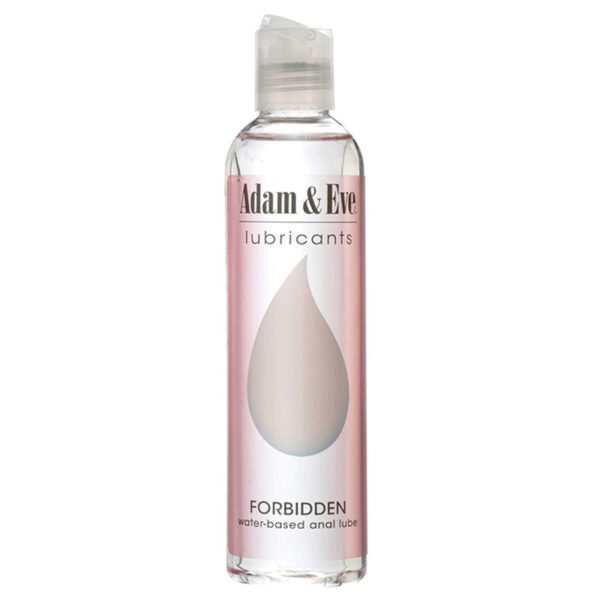
-9%
Original price was: $42.95.$38.95Current price is: $38.95.
-9% New
Original price was: $34.95.$31.95Current price is: $31.95.
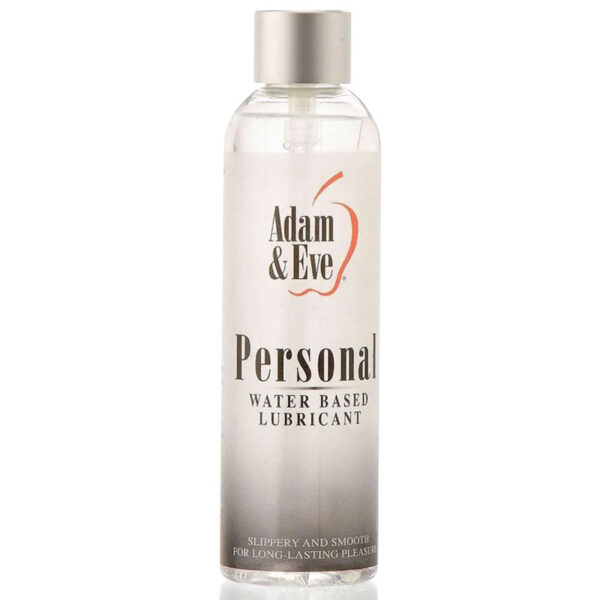
-8% New
Original price was: $36.95.$33.95Current price is: $33.95.
-9%
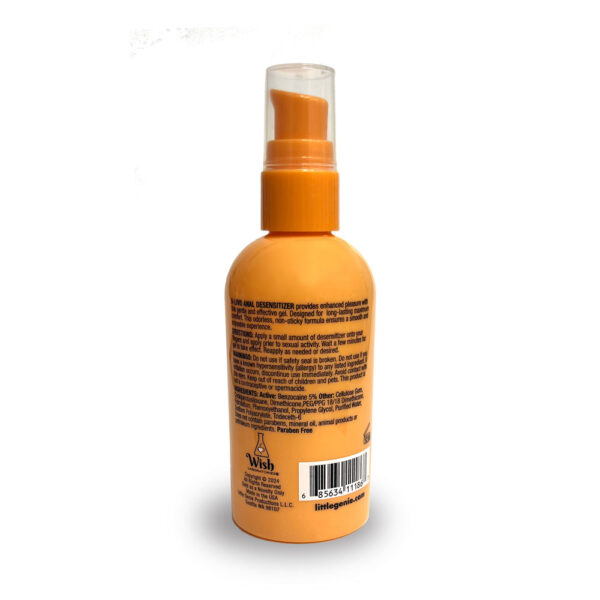
Original price was: $44.95.$40.95Current price is: $40.95.
Browse the full range if you want to compare formulas side by side.
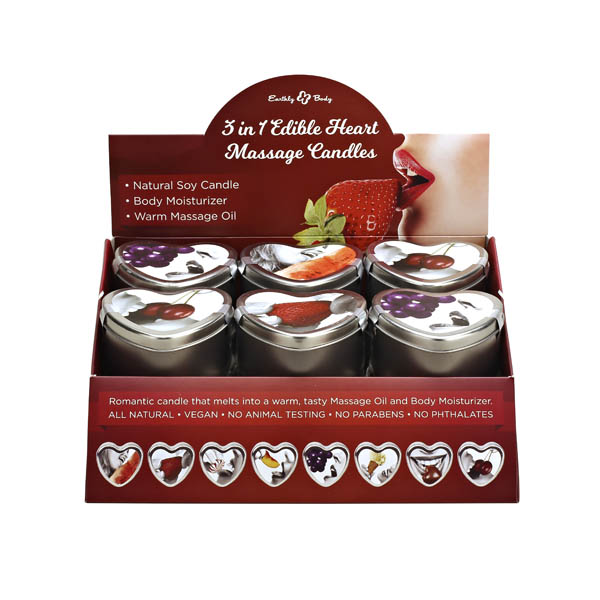
-9%
Original price was: $265.95.$241.95Current price is: $241.95.
-9%
Original price was: $42.95.$38.95Current price is: $38.95.
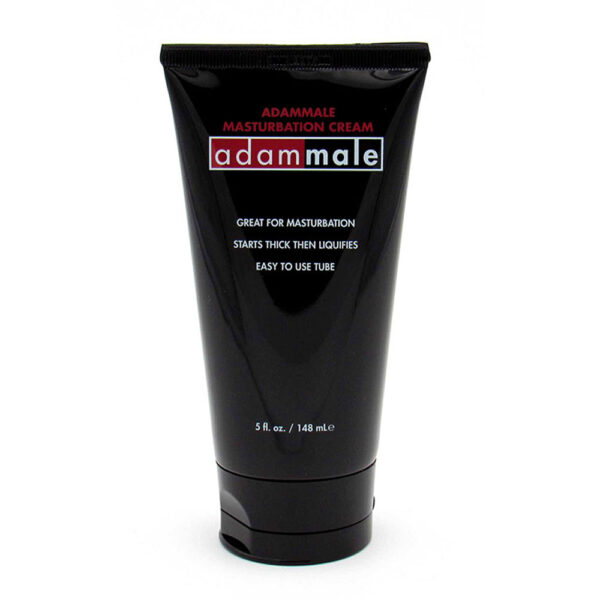
-9%
Original price was: $56.95.$51.95Current price is: $51.95.
-9% New
Original price was: $34.95.$31.95Current price is: $31.95.
Key takeaways
- Silicone-based lube degrades silicone toys — never combine them, and default to water-based if you’re unsure of a toy’s material.
- Water-based lube is the safest general default: works with everything, but dries out faster.
- Oil-based lube is never condom-safe with latex, and is a niche choice rather than a default.
- Proactive lube use, not just reactive, genuinely improves comfort regardless of natural lubrication.
Authoritative sources and further reading
- Planned Parenthood: What’s Lube? — Overview of lube types, condom compatibility, and safe use.
Related posts
Edging: what it is and why people do it on purpose

Bringing yourself (or a partner) right to the edge and backing off, deliberately — how it works and why people swear by it.
Multiple orgasms: what’s actually happening in your body
The real, research-backed version of multiple orgasms — who experiences them, why, and how to explore without the pressure.
Squirting: the science, the myths, and what actually helps
What squirting actually is, why it isn't "just urine," and what tends to make it more likely — without the pressure to perform.
Anal beads vs. butt plugs: what’s the difference

Two different sensations, not interchangeable. Here's how to tell which one you actually want.
Lingerie fit guide: how to choose pieces that actually feel good
Fit and fabric matter more than the photo. Here's what to actually check before you buy.
Setting the mood: massage oils, candles and slowing down
Oils, candles and simply slowing down — small changes that make a bigger difference than another toy.
Wand massagers: why everyone’s obsessed
Why wand massagers have such a loyal following, and how to pick the right one for you.
Ben Wa balls & kegel weights: a beginner’s guide
Weighted balls explained — pleasure, pelvic floor training, or both — and how to start safely.
Cock rings explained: what they do and how to use one safely
What cock rings actually do, vibrating vs standard, and the one safety rule that matters most.
Onahole masturbators: what they are and how to choose one
What an onahole actually is, what makes one different from another, and how to look after it properly.

Prostate play: a beginner’s guide for men
A relaxed, judgment-free starting point for prostate play — what it is, why it feels different, and how to begin.

What does it mean to be GGG? Good, giving and game in bed
Dan Savage's shorthand for being a great partner, explained — and how it actually plays out night to night.