Free discreet shipping on orders over $75

Edging means bringing yourself or a partner right up to the edge of orgasm, then easing off before it happens — repeating that cycle, sometimes several times, before finally finishing. It’s also a clinically recognised technique: the “stop-start method” has been used for decades to help manage premature ejaculation, and many people use it purely for pleasure, since the eventual orgasm after several edges is widely reported as noticeably more intense than one without the build-up.
Quick picks if you’re short on time:
- Edging means stopping stimulation right before orgasm, waiting roughly 30 seconds, then restarting — repeated as many times as you like.
- It’s a clinically recognised method for managing premature ejaculation, not just a pleasure technique.
- Works solo or with a partner, though partnered edging needs a simple check-in signal agreed on beforehand.
- There’s no fixed number of edges required — some people do it once, others stretch it out much longer.
Next step: try it solo first to learn your own signals before attempting it with a partner — knowing your own point of no return makes the partnered version far easier to communicate.
Table of Contents
- Why edging works, physiologically
- The stop-start method and the squeeze technique
- Edging techniques, at a glance
- Solo vs partnered edging
- Edging as a premature ejaculation technique
- How many times should you edge before finishing?
- Building it into a regular practice, if you’re using it for control
- The thing most people get wrong about edging
- Toys that make edging easier to control
- Key takeaways
- Authoritative sources and further reading
Why edging works, physiologically
Arousal builds in waves rather than climbing in a straight line to orgasm. Backing off just before the peak keeps you circling in a highly aroused state for longer instead of releasing that build-up immediately, and many people report the eventual orgasm feels stronger and lasts longer as a direct result. It’s also used therapeutically — people practising ejaculation control often use edging specifically to build clear awareness of their own point of no return, which is a genuinely learnable skill with repeated practice.
The stop-start method and the squeeze technique
The classic stop-start method is exactly what it sounds like: stimulation stops completely for up to 30 seconds as arousal nears its peak, then resumes once the urge has eased. The squeeze technique adds an extra step — using the thumb and index finger to apply light pressure at the base of the glans, which engages the pelvic floor’s bulbospongiosus muscle and helps reduce arousal more actively than simply stopping alone. Both are long-established, clinically referenced approaches for managing premature ejaculation, not just recreational techniques.
Edging techniques, at a glance
| Technique | How it works | Best for |
|---|---|---|
| Stop-start | Stop all stimulation for up to 30 seconds near the peak, then resume | Beginners, learning your own signals |
| Squeeze | Apply light pressure at the base of the glans while backing off | Faster arousal reduction, more active control |
| Sustained low-intensity | Drop to a much lower intensity rather than stopping completely | Partnered play, keeping momentum going |
Solo vs partnered edging
Edging works either way, but the logistics differ. Solo, it’s purely a matter of reading your own signals and easing off yourself, with nobody else to coordinate with. With a partner, it requires a bit of upfront communication — a simple, agreed check-in word or phrase (something as plain as “getting close”) keeps both people on the same page without needing to fully break the mood to explain what’s happening in the moment.
Edging as a premature ejaculation technique
Beyond the pleasure angle, edging (specifically the stop-start and squeeze methods) is one of the more established behavioural approaches to managing premature ejaculation, alongside pelvic floor exercises and, in some cases, topical desensitising products. The mechanism is straightforward: repeated practice recognising and riding out the pre-orgasm sensation builds a level of control that carries over into partnered sex, rather than the arousal curve feeling like an all-or-nothing switch.
How many times should you edge before finishing?
There’s no fixed or “correct” number. Some people edge once or twice before finishing; others stretch a session out considerably longer, sometimes over 20-30 minutes or more. The right number is whatever feels good and doesn’t tip into frustration — overdoing edging past the point of enjoyment can lead to genuine discomfort or irritability rather than a better outcome, so it’s worth treating it as something to experiment with rather than a target to hit.
Building it into a regular practice, if you’re using it for control
If the goal is genuinely improving ejaculation control rather than a one-off session, consistency matters more than any single attempt. Most people who report real improvement practise stop-start or squeeze techniques solo, several times a week, over a period of weeks — treating it closer to a skill being trained than a trick that works instantly the first time. Pairing it with pelvic floor awareness (noticing and consciously relaxing those muscles rather than clenching through the sensation) tends to compound the effect, since a lot of the “point of no return” sensation is tied to involuntary pelvic floor tension.
It’s also worth tracking loosely what you notice changes — some people find their sense of the pre-orgasm window becomes noticeably clearer and more predictable within a few weeks of regular practice, which is itself the main practical benefit, independent of whether any given session goes on longer than usual.
The thing most people get wrong about edging
The most common mistake is treating “more edges” as automatically better. Past a certain point, repeated edging without release can shift from pleasurable anticipation into genuine frustration or even mild physical discomfort, particularly for people prone to that response. There’s also a common misconception that edging is purely a male technique tied to ejaculation control — in practice, anyone can use the same stop-start principle regardless of anatomy, since the underlying idea (backing off near the peak to intensify what follows) isn’t specific to any particular body.
Toys that make edging easier to control
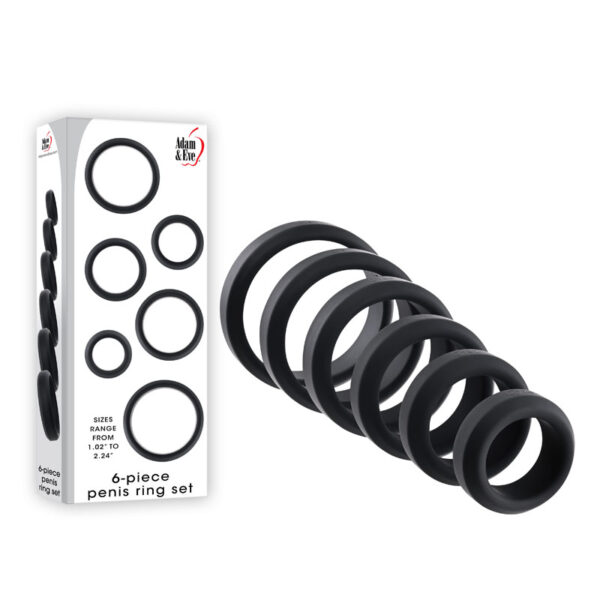
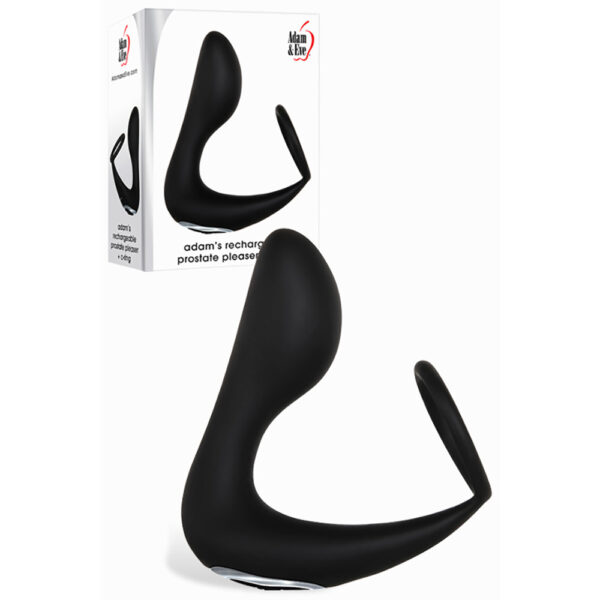
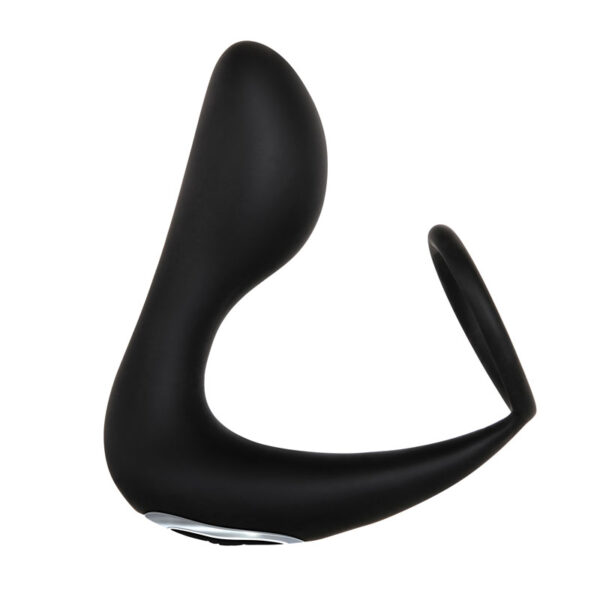
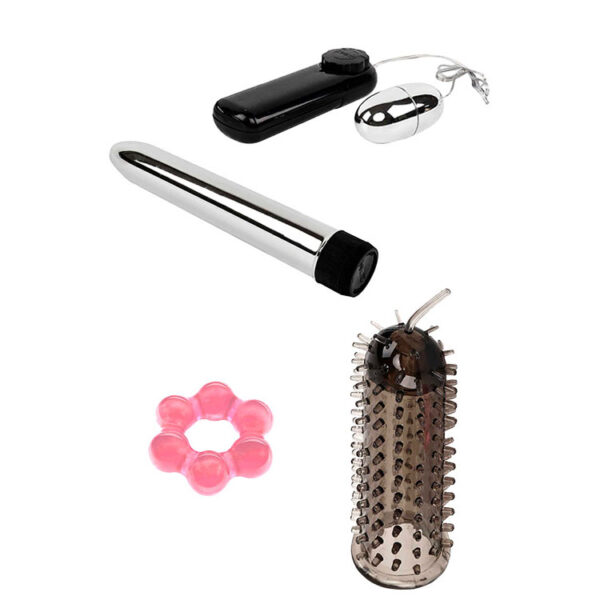
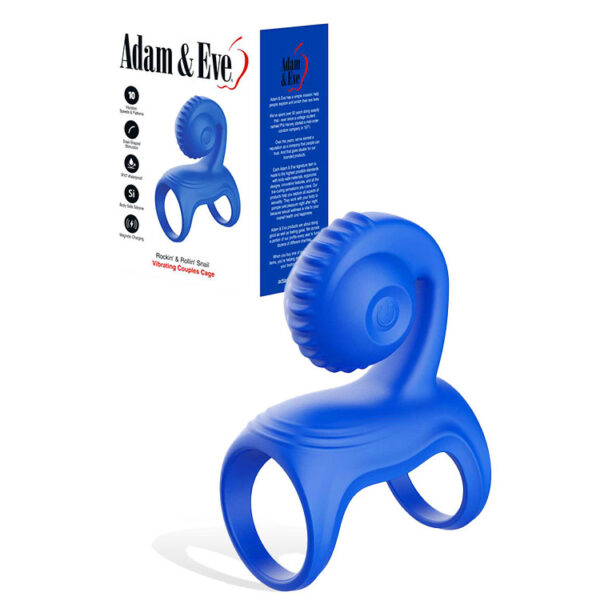
A cock ring can help maintain arousal and blood flow between edges without requiring you to fully restart from baseline each time.
-9%

Original price was: $81.11.$73.74Current price is: $73.74.
-9%
Original price was: $100.95.$91.95Current price is: $91.95.

-9%
Original price was: $142.95.$129.95Current price is: $129.95.
-11%

Original price was: $96.95.$86.24Current price is: $86.24.
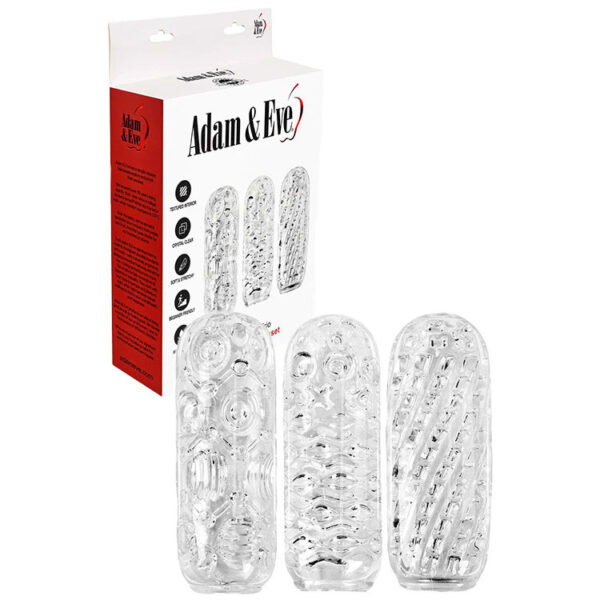
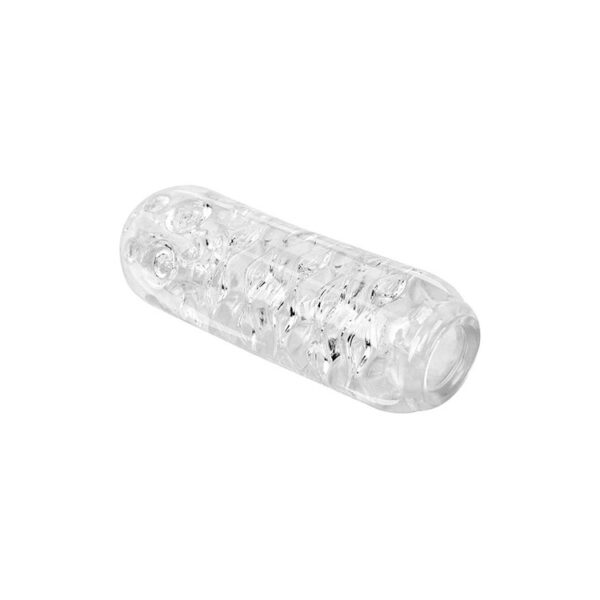
A stroker with genuinely adjustable intensity settings gives more precise control over exactly how close to the edge you get before backing off, compared to a fixed-intensity toy.
-9%
Original price was: $89.95.$81.95Current price is: $81.95.
-9%
Original price was: $42.95.$38.95Current price is: $38.95.
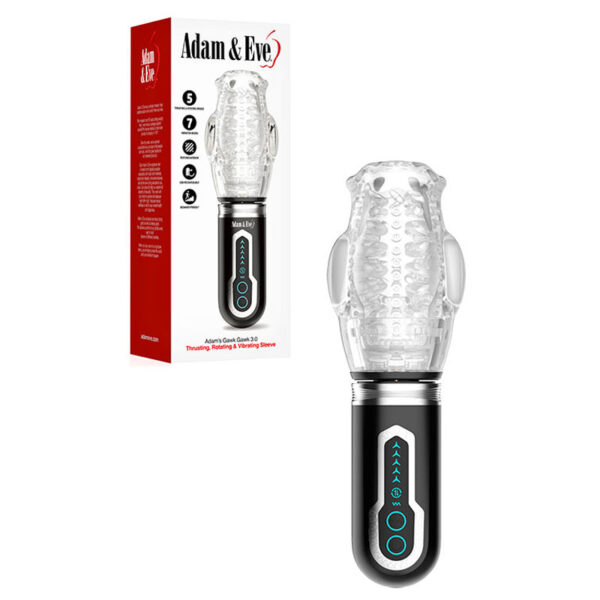
-9%
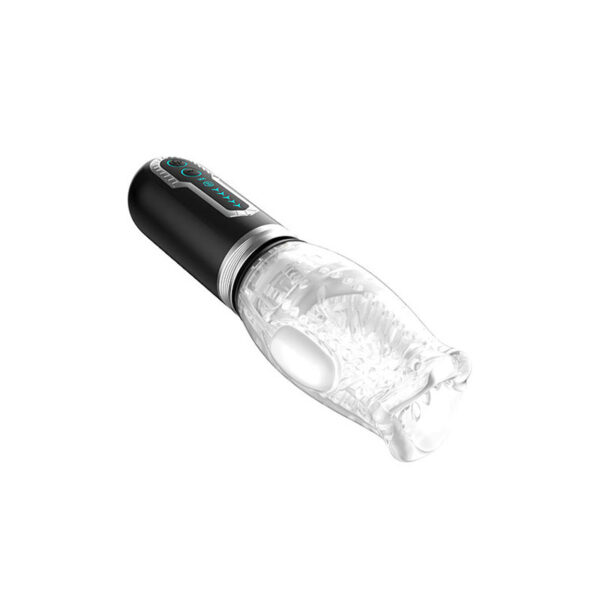
Adam & Eve Adam’s Gawk Gawk 3.0 – Clear USB Rechargeable Thrusting, Rotating & Vibrating Masturbator
Original price was: $196.95.$178.95Current price is: $178.95.
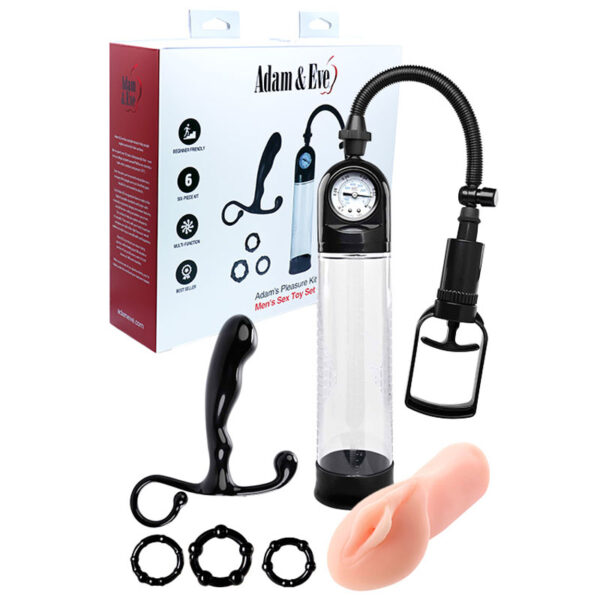
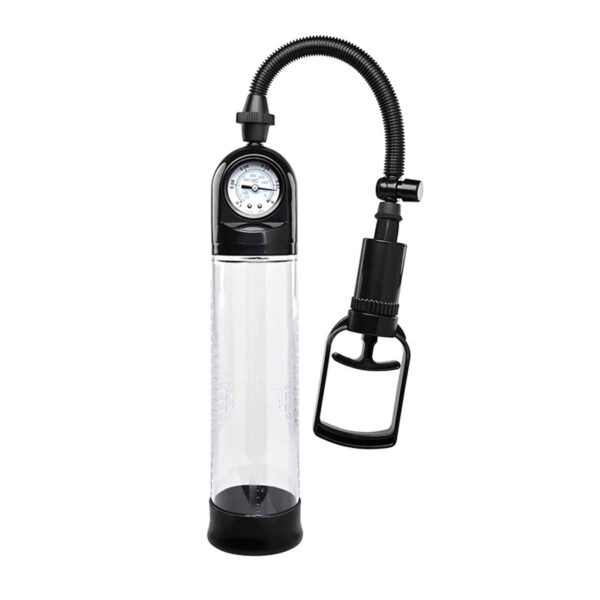
-9% Hot
Original price was: $123.95.$112.95Current price is: $112.95.
Key takeaways
- Edging is a clinically recognised technique (stop-start and squeeze methods) for premature ejaculation, not just a pleasure practice.
- It works because arousal builds in waves — backing off near the peak extends and intensifies the build-up rather than releasing it immediately.
- Solo practice first makes partnered edging easier, since you learn your own signals before needing to communicate them.
- There’s no correct number of edges — past a certain point it can tip from pleasurable into frustrating, so it’s worth experimenting rather than chasing a target.
Authoritative sources and further reading
- Healthline: Edging & Orgasm Control — Overview of benefits, techniques, and how the stop-start and squeeze methods work.
- Ro: Orgasm Control and Edging — Clinical perspective on edging as a premature ejaculation management technique.
Related posts
Vibration deep dive: why more speeds doesn’t mean a better toy

The spec sheet lies — "10 speeds, 20 patterns" tells you almost nothing about how a toy actually feels. Here's what to check instead.
Arousal non-concordance: why “turned on” and “physically ready” aren’t the same
Feeling desire and your body's physical arousal response don't always line up — and that mismatch is far more common than most people realise.
Sex after baby: what changes and how to ease back in
Physical recovery, exhaustion, body changes and desire that doesn't match what it used to — a realistic guide to easing back in.
How to talk about STIs and testing without killing the mood
A conversation most people dread, made simpler — practical scripts for bringing up testing and status with a new or existing partner.
Your cycle and arousal: how hormones change things month to month
Arousal isn't constant — here's how hormonal shifts across the menstrual cycle genuinely change desire, sensitivity and lubrication.
Choosing toys for different bodies and mobility considerations
Grip strength, reach, chronic pain, mobility limits — practical toy features that make a real difference for different bodies.
Understanding the refractory period — and how toys can help
Why men need a recovery window after orgasm, what actually shortens it, and how to keep intimacy going in the meantime.
How to actually use a penis pump safely
Pumps are simple in theory but easy to misuse. Here's the technique that actually works, and the mistakes that cause bruising.
A deeper guide to anal training: progressing safely over time
Past the beginner basics — how gradual anal training actually works, what "readiness" means, and common mistakes that cause setbacks.
Sensory deprivation play: blindfolds, earplugs and amplified senses
Remove one sense and the others sharpen dramatically — here's the science behind it and how to try it safely.
Kink vs fetish: what’s the actual difference
The two words get used interchangeably, but they don't mean quite the same thing — here's the distinction that actually matters.
Aftercare: not just for kink — why everyone benefits
Aftercare gets talked about mostly in BDSM circles, but the underlying idea helps almost any kind of sex feel better.