Free discreet shipping on orders over $75

Removing one sense — usually sight, via a blindfold — is one of the simplest, lowest-cost ways to intensify a sexual experience, and it’s a genuinely well-studied phenomenon rather than just a kink trope. But the science is more nuanced than the popular claim that “blocking one sense automatically supercharges the others.” Research on temporary blindfolding shows real but modest effects on touch sensitivity in the short term, while the more dramatic sensory enhancements associated with blindness specifically develop over months or years of adaptation, not the ten minutes after you put on a blindfold.
Quick picks if you’re short on time:
- A blindfold alone is the easiest, lowest-effort entry point into sensory play — no skill required.
- Short-term blindfolding does measurably affect tactile processing and spatial awareness, though the effect is more modest than popular claims suggest.
- Losing the ability to predict what’s coming next is arguably the bigger factor — every touch becomes a small surprise.
- Layer slowly: adding a second removed sense (sound, touch-back) raises intensity more than most people expect.
Next step: try a blindfold alone first for a full session before adding anything else — get a feel for how it changes things before layering a second sense removal on top.
Table of Contents
- What the research actually shows
- It’s not just about sharper senses — it’s about losing prediction
- Sensory deprivation options, at a glance
- Start with sight, add more later
- Why communication matters more, not less
- Who should be cautious with sensory play
- The thing most people get wrong about sensory play
- Getting started
- Key takeaways
- Authoritative sources and further reading
What the research actually shows
Studies on short-term visual deprivation have found it does influence tactile acuity and spatial orientation, along with measurable changes in the excitability of the visual and motor cortex, even after just a brief period. That said, some research specifically on short blindfolding sessions found the effect on other senses more modest than commonly assumed — the dramatic sensory enhancement associated with long-term blindness appears to depend more on months or years of active tactile practice than on the blindfold itself. In other words: blindfolding does something real, just probably less than the popular claim of “instantly heightened senses” suggests.
It’s not just about sharper senses — it’s about losing prediction
A large part of what makes blindfold play feel intense isn’t purely sensory amplification — it’s the loss of the ability to predict what’s about to happen. With sight removed, your brain can’t subconsciously anticipate the next touch based on what it sees coming, so each contact registers as a small surprise rather than an expected event. That unpredictability is arguably doing as much of the work as any literal increase in nerve sensitivity, which lines up with why the psychological framing (anticipation, vulnerability, trust) matters as much as the physiological one.
Sensory deprivation options, at a glance
| Sense removed | Effort level | What it adds |
|---|---|---|
| Sight (blindfold) | Very low | Loss of prediction, mild tactile enhancement |
| Touch-back (light restraint) | Low-medium | Removes ability to touch back or guide, increases vulnerability |
| Sound (earplugs / noise-cancelling) | Medium | Removes verbal and ambient cues, significantly raises intensity |
| Multiple senses combined | Advanced | Compounding effect — layer slowly, effects aren’t purely additive |
Start with sight, add more later
A blindfold alone is the easiest entry point — no skill required, just a willingness to hand over a bit of control. Once that feels comfortable, some couples add gentle restraint (removing the ability to touch back or guide a partner’s movements) or sound reduction. Layer slowly: it’s easy to underestimate how much more overwhelming a scene becomes with two senses removed rather than one, since the effects don’t simply add together in a predictable way.
Why communication matters more, not less
With sight removed, verbal check-ins matter more, not less. Agree on a safeword beforehand, and the partner who can see should be actively narrating or checking in periodically rather than assuming everything is reading as intended. Silence during blindfold play can be read very differently by the blindfolded partner than it’s meant — a quiet check-in (“doing okay?”) costs almost nothing and prevents genuine anxiety from building unnecessarily.
Who should be cautious with sensory play
Anyone with anxiety around loss of control, claustrophobia, or a history of trauma involving restraint or restricted senses should approach this carefully, ideally starting with very short sessions and an explicit, easy-to-use exit signal (since a verbal safeword may be harder to use with sound also removed — a hand signal or dropped object works better in that case). There’s no obligation to build up to multiple senses removed; a blindfold alone is a complete experience on its own for plenty of people.
The thing most people get wrong about sensory play
The most common misconception is treating sensory deprivation as a pure biology hack — remove a sense, automatically get superhuman senses elsewhere. The research doesn’t fully support that for short-term use, and treating it that way sets an inflated expectation. The actual value is closer to psychological: anticipation, loss of prediction, and increased vulnerability, which are real and intense on their own without needing an exaggerated biological mechanism to explain why it works.
Getting started
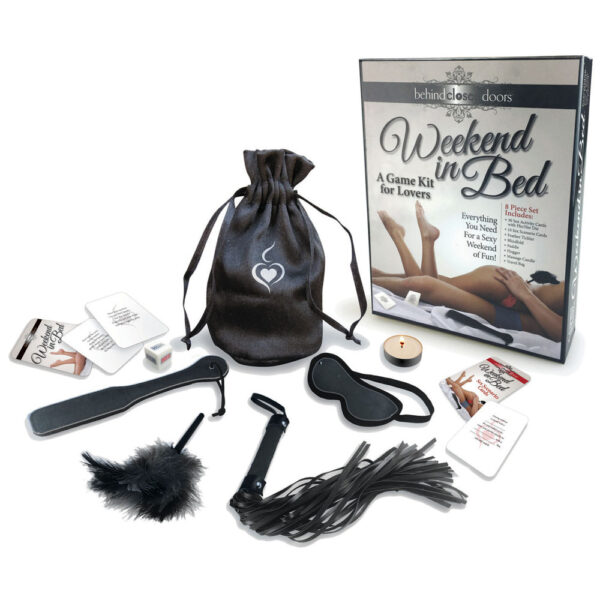
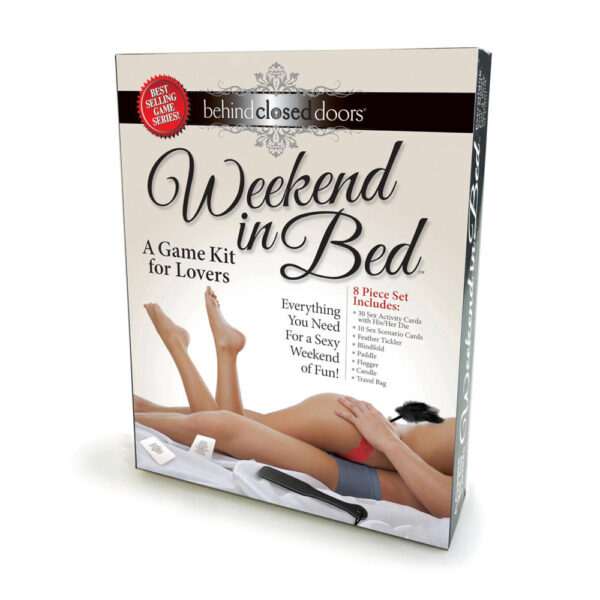
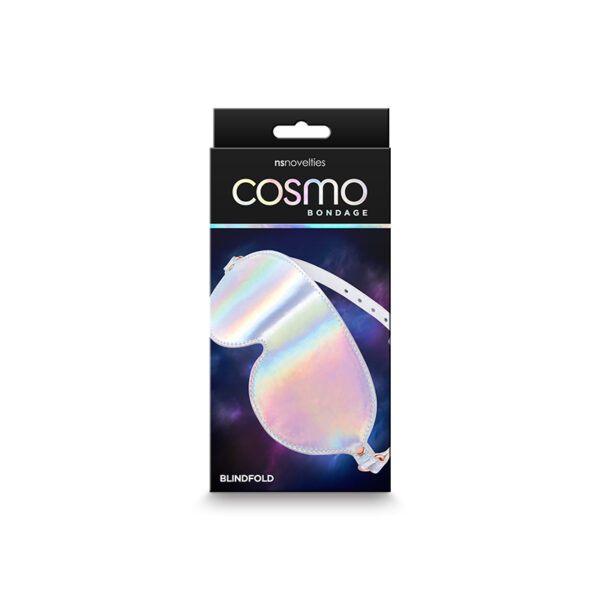
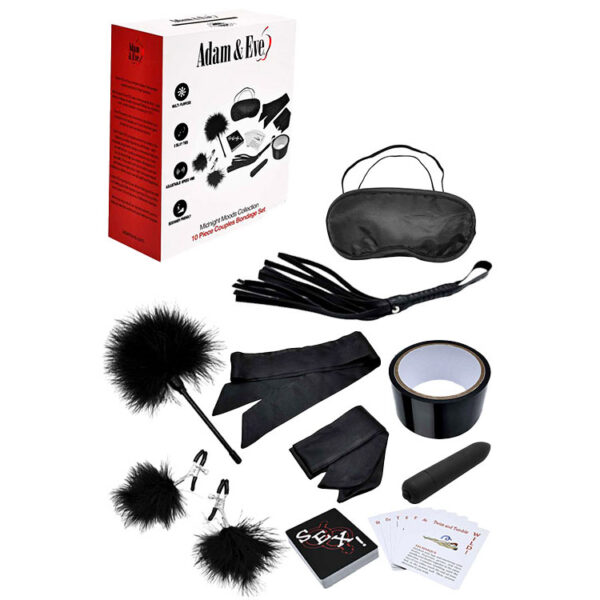
Blindfolds designed for comfort during longer scenes make a real difference over an improvised strip of fabric, which can slip or press uncomfortably on the eyes.
-9%
Original price was: $106.95.$96.95Current price is: $96.95.
-9%
Original price was: $106.95.$96.95Current price is: $96.95.
-9%

Original price was: $34.36.$31.24Current price is: $31.24.
-8%
Original price was: $35.95.$32.95Current price is: $32.95.
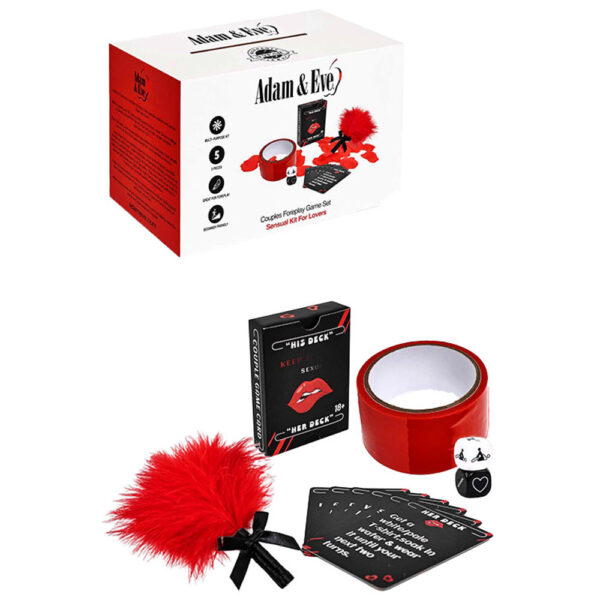
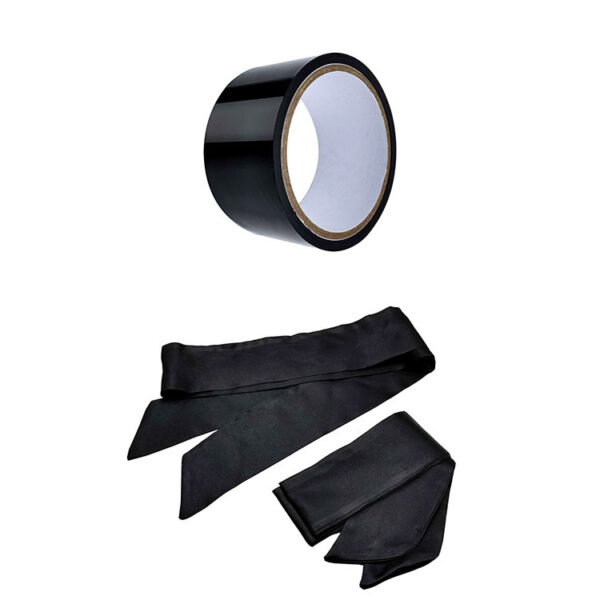
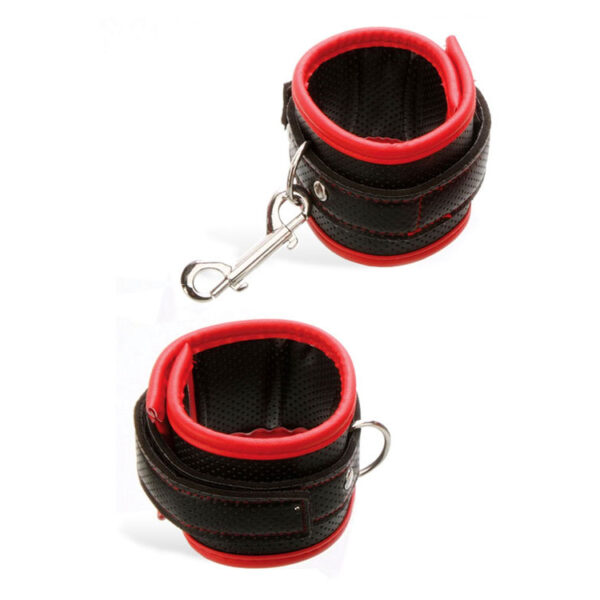
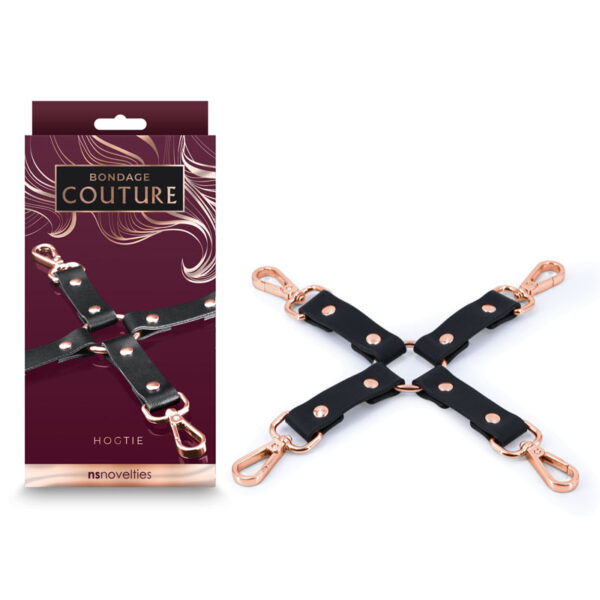
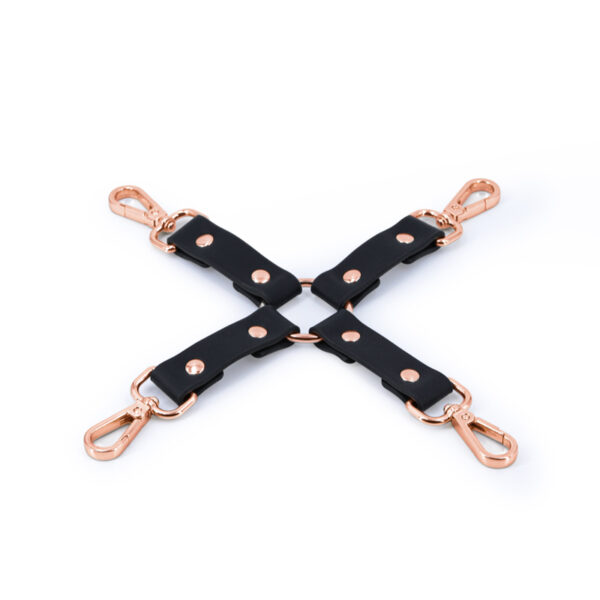
Restraints, once you’re ready to layer in touch removal too.
-9%

Original price was: $68.95.$62.95Current price is: $62.95.
-9%
Original price was: $142.95.$129.95Current price is: $129.95.
-10%

Original price was: $57.95.$51.95Current price is: $51.95.
-6%
Original price was: $39.95.$37.49Current price is: $37.49.
Key takeaways
- Short-term blindfolding does measurably affect tactile processing, but the effect is more modest than the popular “instantly heightened senses” claim.
- Losing the ability to predict what’s coming is arguably as important as any literal sensory amplification.
- Layer slowly — combining removed senses doesn’t add up predictably, and can overwhelm faster than expected.
- Verbal check-ins matter more with sight removed, not less — silence can read as concerning rather than neutral.
For the fundamentals of trust and safewords before layering senses, see our bondage 101 guide.
Authoritative sources and further reading
- PMC: Short-term visual deprivation and body representation — Peer-reviewed research on the measurable effects of temporary blindfolding.
- Sensory deprivation — research overview — Background on the mechanisms and research history of sensory deprivation.
Related posts
Your cycle and arousal: how hormones change things month to month

Arousal isn't constant — here's how hormonal shifts across the menstrual cycle genuinely change desire, sensitivity and lubrication.
Choosing toys for different bodies and mobility considerations
Grip strength, reach, chronic pain, mobility limits — practical toy features that make a real difference for different bodies.
Understanding the refractory period — and how toys can help
Why men need a recovery window after orgasm, what actually shortens it, and how to keep intimacy going in the meantime.
How to actually use a penis pump safely
Pumps are simple in theory but easy to misuse. Here's the technique that actually works, and the mistakes that cause bruising.
A deeper guide to anal training: progressing safely over time
Past the beginner basics — how gradual anal training actually works, what "readiness" means, and common mistakes that cause setbacks.
Sensory deprivation play: blindfolds, earplugs and amplified senses
Remove one sense and the others sharpen dramatically — here's the science behind it and how to try it safely.
Kink vs fetish: what’s the actual difference
The two words get used interchangeably, but they don't mean quite the same thing — here's the distinction that actually matters.
Aftercare: not just for kink — why everyone benefits
Aftercare gets talked about mostly in BDSM circles, but the underlying idea helps almost any kind of sex feel better.
Ethical non-monogamy: what ENM actually means
Open relationships, polyamory, swinging — the terms explained plainly, and what makes any of it "ethical" in the first place.
Roleplay 101: how to start without it feeling awkward
Roleplay looks intimidating from the outside. Here's how to ease into it without props, scripts, or pressure to be a great actor.
Threesomes and group play: communication, boundaries and logistics
The unglamorous but essential part of adding a third person — how to talk about it, set boundaries, and actually plan for it.
Edging: what it is and why people do it on purpose
Bringing yourself (or a partner) right to the edge and backing off, deliberately — how it works and why people swear by it.