Free discreet shipping on orders over $75

The refractory period is the recovery window after orgasm during which further arousal and erection are difficult or impossible for people with penises. It’s a completely normal physiological process, not a performance issue, but it does vary considerably from person to person and reliably lengthens with age — roughly 15 minutes on average for an 18-year-old, stretching to around 20 hours in some men in their 70s, according to commonly cited research on the topic.
Quick picks if you’re short on time:
- A prolactin surge after ejaculation is the main driver — a genuine hormonal reset, not something willpower can override.
- Length varies enormously by age and individual — minutes in younger men, hours in older men, and it’s not a fixed number.
- General cardiovascular health, hydration, and moderate alcohol intake are associated with a somewhat shorter refractory period.
- The gap doesn’t have to mean sex is over — plenty of couples use it to focus on their partner or simply stay physically close.
Next step: if the refractory period feels frustrating, reframe it as a normal biological reset rather than a problem to solve — most of what determines its length (age, individual physiology) isn’t something to fix quickly.
Table of Contents
- What’s actually happening, hormonally
- How length varies by age, at a glance
- What can shorten it (a little)
- Why women experience it differently, if at all
- Keeping intimacy going in the meantime
- When it might be worth mentioning to a doctor
- The thing most people get wrong about the refractory period
- Options for the meantime
- Key takeaways
- Authoritative sources and further reading
What’s actually happening, hormonally
After ejaculation, a surge of prolactin — alongside other hormonal shifts — is thought to play a key role in suppressing further arousal temporarily. This isn’t something you can simply will away; it’s a genuine biological reset, not a matter of insufficient desire or stamina. The body is actively working against renewed arousal for a period, regardless of how interested you remain mentally.
How length varies by age, at a glance
| Age range | Typical refractory period (commonly cited estimates) |
|---|---|
| Late teens / early 20s | Roughly 15 minutes on average |
| 30s-40s | Often 30 minutes to a few hours |
| 50s-60s | Several hours, more variable |
| 70s+ | Up to around 20 hours in some cases |
These figures are commonly cited averages, not fixed rules — individual variation within any age group is significant, and plenty of people fall well outside these ranges in either direction.
What can shorten it (a little)
General cardiovascular health, staying well hydrated, and avoiding excessive alcohol are all associated with a somewhat shorter refractory period, likely because they support the circulation the whole process depends on. Kegel exercises are sometimes cited too, though the evidence there leans more anecdotal than firmly established. Realistically, the natural variation between individuals matters far more than any single lifestyle factor — someone in excellent health can still have a longer refractory period than average simply due to individual physiology.
Why women experience it differently, if at all
People with vulvas frequently have a much shorter or entirely absent refractory period, which is the main reason multiple orgasms are more commonly reported among them. The prolactin surge that follows orgasm happens for women too, but the arousal system appears considerably less sensitive to its dampening effect, at least in the short term — the exact mechanism behind that difference is still an active area of research.
Keeping intimacy going in the meantime
The refractory period doesn’t have to mean sex is over for the session. Plenty of couples use the gap to focus entirely on their partner, switch to toys, or simply stay physically close without any specific goal. Reframing the gap as a natural part of a longer session, rather than an abrupt stopping point, tends to reduce the pressure both partners might otherwise feel around it.
When it might be worth mentioning to a doctor
If the refractory period seems to be getting dramatically and rapidly longer, well beyond what would be expected for your age, or if it’s accompanied by other changes (reduced desire generally, difficulty achieving erection at all), that’s worth a conversation with a GP rather than assuming it’s simply “normal aging” — sudden or dramatic shifts sometimes point to something addressable, like a medication side effect or a hormonal issue worth checking.
The thing most people get wrong about the refractory period
The most common mistake is treating it as a personal failing or a sign of insufficient attraction to a partner, rather than a universal, hormonally enforced biological process that every person with a penis experiences to some degree. Not needing a break at all is genuinely unusual, not the baseline — there’s no reason to feel behind or inadequate about needing recovery time that’s a completely normal part of male physiology.
Options for the meantime
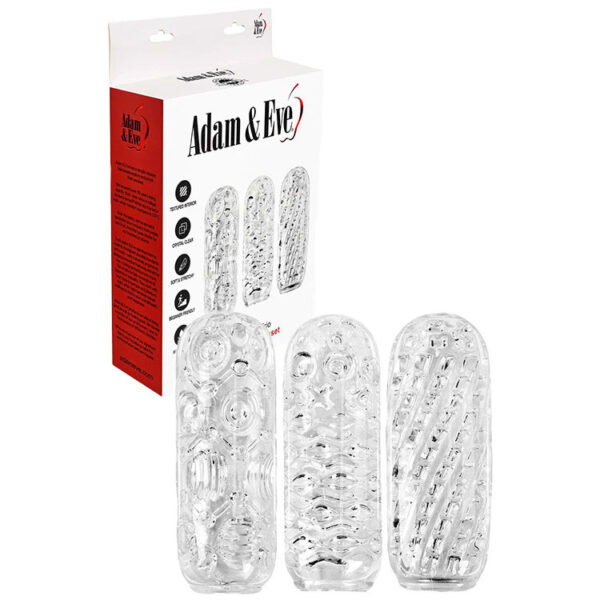
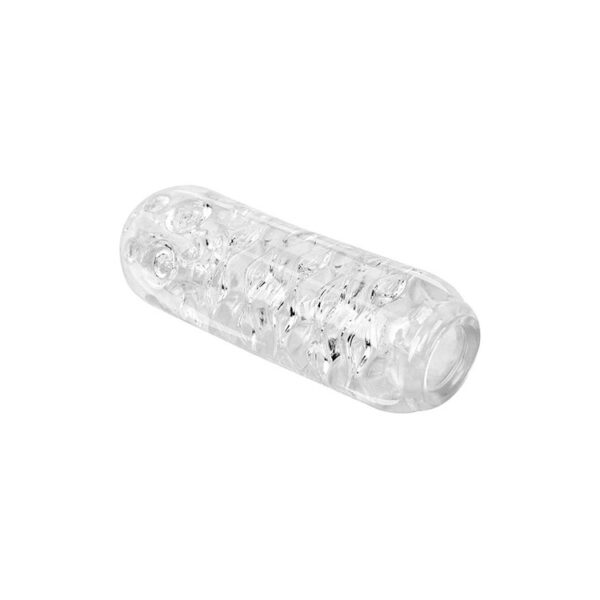
Strokers are a good option for solo enjoyment on your own timeline if a partner wants to keep going.
-9%
Original price was: $89.95.$81.95Current price is: $81.95.
-9%
Original price was: $42.95.$38.95Current price is: $38.95.
-9%
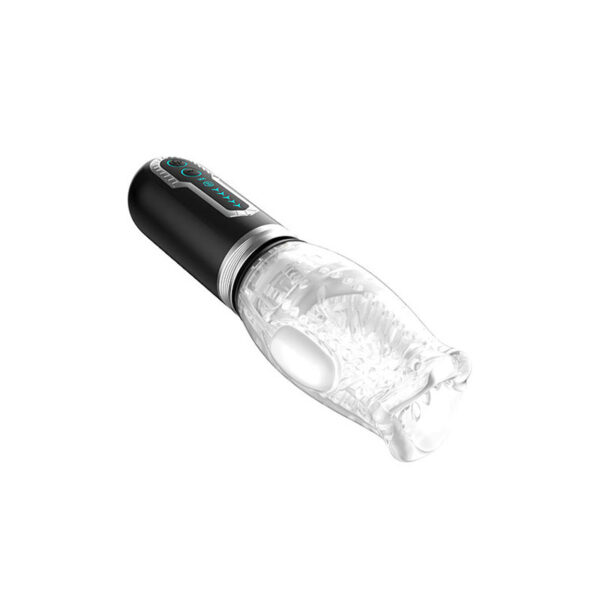
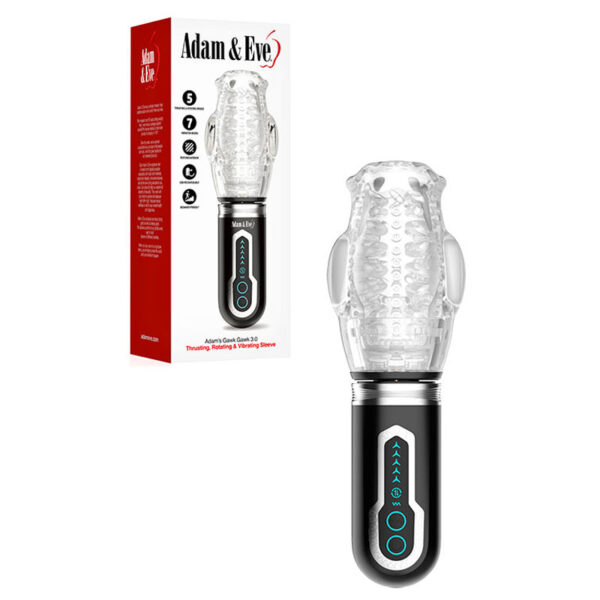
Adam & Eve Adam’s Gawk Gawk 3.0 – Clear USB Rechargeable Thrusting, Rotating & Vibrating Masturbator
Original price was: $196.95.$178.95Current price is: $178.95.
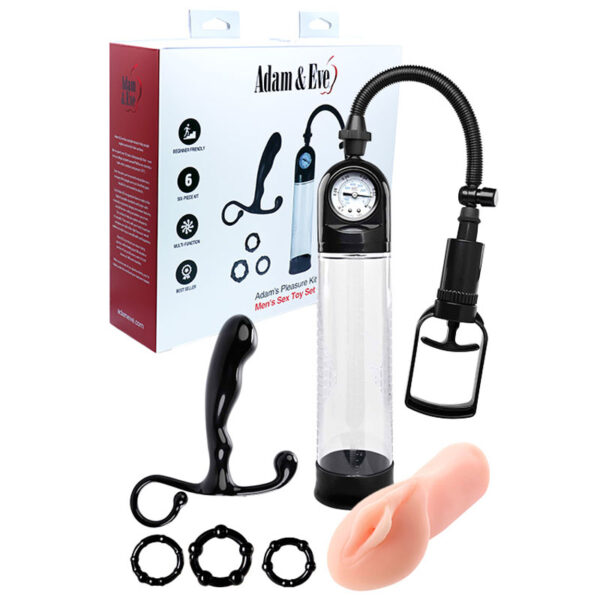
-9% Hot
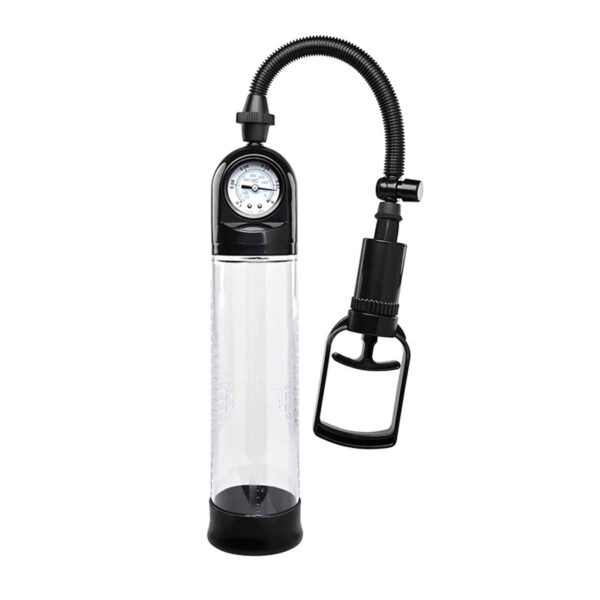
Original price was: $123.95.$112.95Current price is: $112.95.
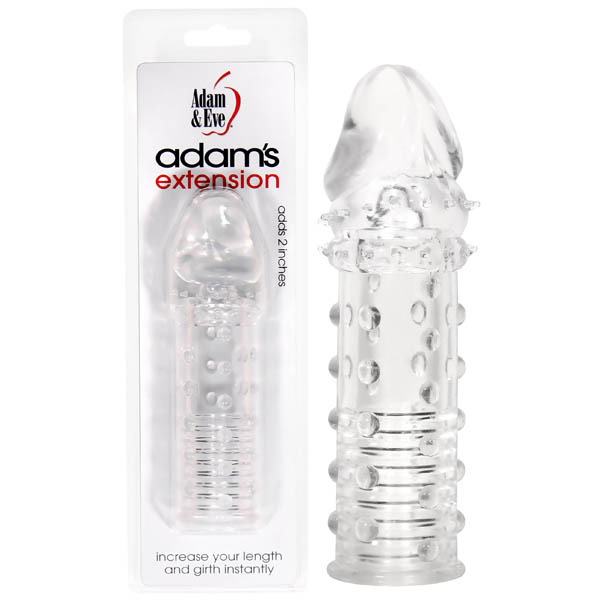
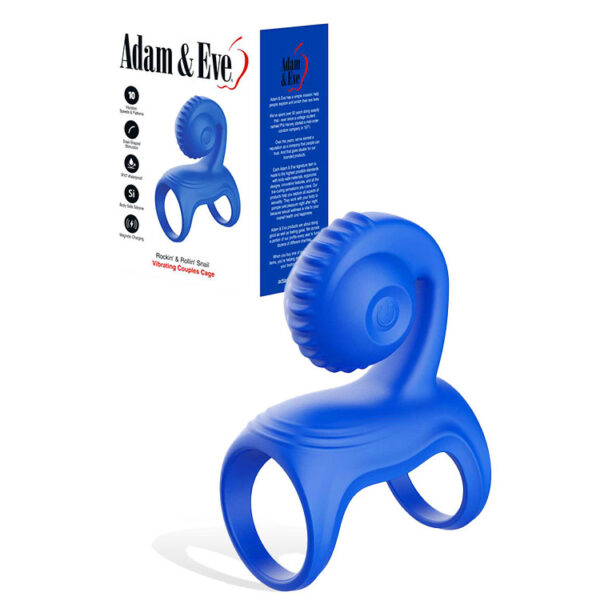
Cock rings can help extend the time before finishing next time, which some people find useful alongside managing the refractory gap.
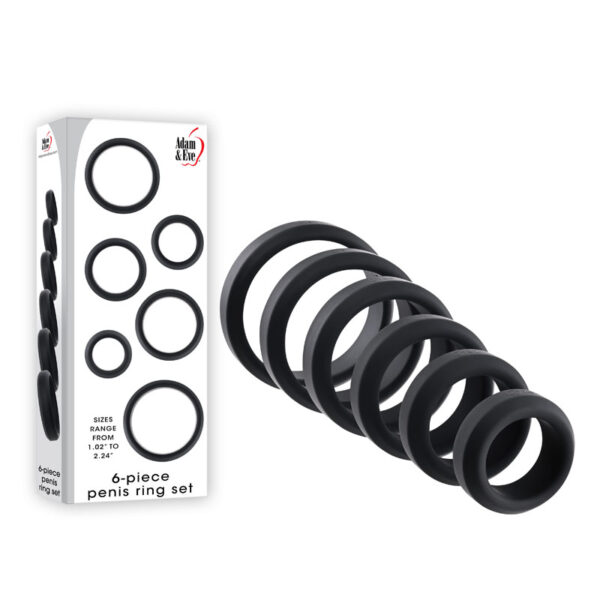
-9%

Original price was: $81.11.$73.74Current price is: $73.74.
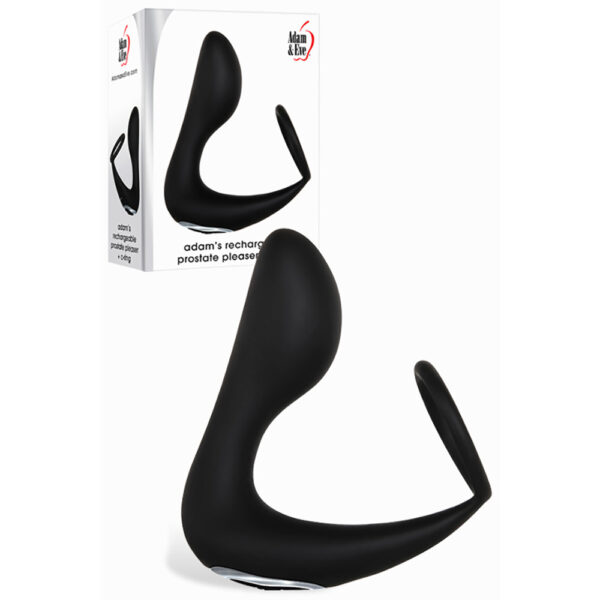
-9%
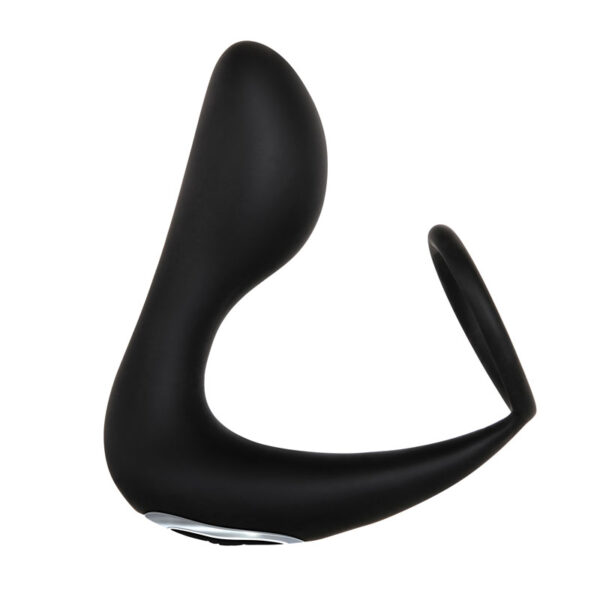
Original price was: $100.95.$91.95Current price is: $91.95.
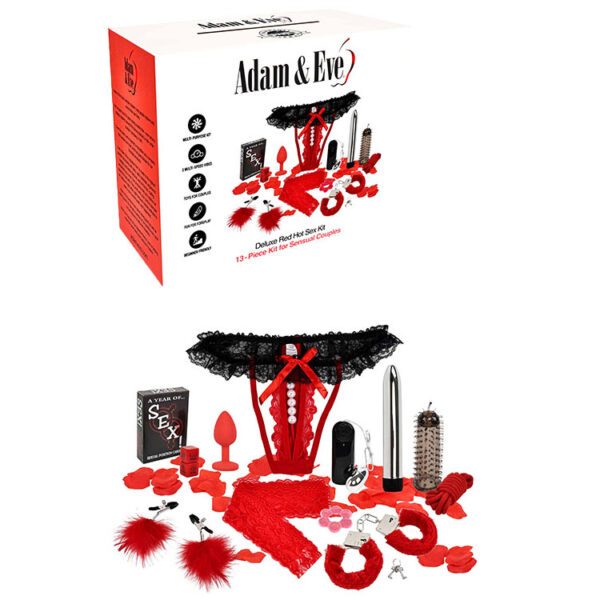
-9%
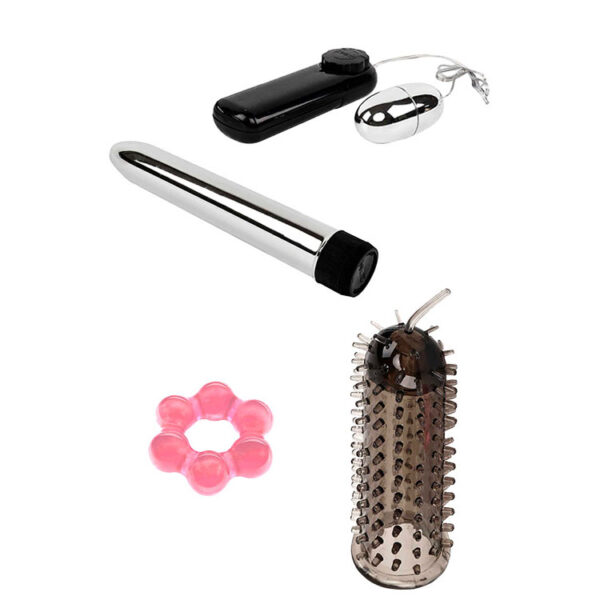
Original price was: $142.95.$129.95Current price is: $129.95.
-11%

Original price was: $96.95.$86.24Current price is: $86.24.
Key takeaways
- A post-ejaculation prolactin surge is the main driver of the refractory period — a genuine hormonal reset, not a willpower issue.
- Length varies enormously by age, from minutes in younger men to hours in older men, with significant individual variation either way.
- General health factors (cardiovascular fitness, hydration, moderate alcohol) are associated with modest improvements, but individual physiology matters more.
- Not needing a break at all is unusual, not the baseline — needing recovery time is completely normal.
Authoritative sources and further reading
- Refractory period (sex) — research overview — Summary of the hormonal mechanisms and age-related research.
- Hims: Understanding the Refractory Period — Comparison of male and female refractory periods and what affects recovery time.
Related posts
Your cycle and arousal: how hormones change things month to month

Arousal isn't constant — here's how hormonal shifts across the menstrual cycle genuinely change desire, sensitivity and lubrication.
Choosing toys for different bodies and mobility considerations
Grip strength, reach, chronic pain, mobility limits — practical toy features that make a real difference for different bodies.
Understanding the refractory period — and how toys can help
Why men need a recovery window after orgasm, what actually shortens it, and how to keep intimacy going in the meantime.
How to actually use a penis pump safely
Pumps are simple in theory but easy to misuse. Here's the technique that actually works, and the mistakes that cause bruising.
A deeper guide to anal training: progressing safely over time
Past the beginner basics — how gradual anal training actually works, what "readiness" means, and common mistakes that cause setbacks.
Sensory deprivation play: blindfolds, earplugs and amplified senses
Remove one sense and the others sharpen dramatically — here's the science behind it and how to try it safely.
Kink vs fetish: what’s the actual difference
The two words get used interchangeably, but they don't mean quite the same thing — here's the distinction that actually matters.
Aftercare: not just for kink — why everyone benefits
Aftercare gets talked about mostly in BDSM circles, but the underlying idea helps almost any kind of sex feel better.
Ethical non-monogamy: what ENM actually means
Open relationships, polyamory, swinging — the terms explained plainly, and what makes any of it "ethical" in the first place.
Roleplay 101: how to start without it feeling awkward
Roleplay looks intimidating from the outside. Here's how to ease into it without props, scripts, or pressure to be a great actor.
Threesomes and group play: communication, boundaries and logistics
The unglamorous but essential part of adding a third person — how to talk about it, set boundaries, and actually plan for it.
Edging: what it is and why people do it on purpose
Bringing yourself (or a partner) right to the edge and backing off, deliberately — how it works and why people swear by it.