Free discreet shipping on orders over $75

“Kink” and “fetish” get used interchangeably, but sex educators and clinicians draw a real, useful distinction between them. A kink is a preference — something that adds excitement or variety but isn’t strictly necessary for arousal or satisfaction. A fetish is narrower and more specific: a fixation on a particular object, material, or body part that’s typically required, not just preferred, for arousal. All fetishes are a kind of kink, but most kinks aren’t fetishes — a fetish sits inside the broader kink category, not alongside it.
Quick picks if you’re short on time:
- The test: “yes, but it would be less fun without it” points to kink — “no, I genuinely cannot get there without it” points to fetish.
- All fetishes are kinks, but most kinks aren’t fetishes — fetish is the narrower, more specific category.
- Neither is a disorder — the DSM-5 explicitly says an atypical sexual interest only becomes clinically relevant if it causes significant distress or involves non-consenting people.
- Both are far more common than most people assume — you’re very unlikely to be the only person with a given interest.
Next step: if you’re trying to figure out which term fits something you’re curious about, ask yourself the “yes but less fun” vs “no, genuinely can’t” question rather than worrying about which label sounds more serious.
Table of Contents
- Kink: broadly, anything outside the “vanilla” default
- Fetish: a specific, often necessary trigger
- Kink vs fetish, at a glance
- Is having a fetish a clinical problem?
- Why the distinction actually matters, practically
- Telling a partner about either one
- The thing most people get wrong about kink and fetish
- Exploring safely, whichever one applies to you
- Key takeaways
- Authoritative sources and further reading
Kink: broadly, anything outside the “vanilla” default
Kink is the wider umbrella — any sexual interest, activity, or fantasy that falls outside conventional expectations. Bondage, roleplay, impact play, power exchange, and dozens of other interests all fall under “kink.” Someone can be into several kinks at once, just one, or none at all, and having a kink doesn’t require it to be a necessary component of arousal — it’s more accurately described as something that adds to the experience.
Fetish: a specific, often necessary trigger
A fetish is narrower and more specific — typically a particular object, material, or body part strongly, sometimes essentially, tied to a person’s arousal. For someone with a genuine fetish, that element isn’t a nice-to-have; it’s frequently central to the experience in a way a general kink preference isn’t. Not everyone with kinky interests has a fetish, and having a fetish doesn’t automatically mean someone is unusually “kinky” in other areas of their sex life.
Kink vs fetish, at a glance
| Kink | Fetish | |
|---|---|---|
| Definition | A preference that adds excitement or variety | A specific object, material, or trigger tied closely to arousal |
| Necessity | Enhances the experience, not required | Often required or close to it for arousal/satisfaction |
| Scope | Broad — covers many types of interests | Narrow and specific |
| Relationship | The umbrella category | A specific subtype within the kink umbrella |
Is having a fetish a clinical problem?
No, not inherently. The DSM-5, the standard clinical reference for diagnosing mental health conditions, is explicit that having an atypical sexual interest is not itself a disorder. It only becomes clinically relevant if it causes significant, lasting personal distress, or if it involves people who cannot consent. Simply having a strong, specific arousal pattern tied to an object or body part doesn’t meet either bar, and most fetishes are entirely compatible with a healthy sex life and relationship.
Why the distinction actually matters, practically
Knowing whether something is a kink or a fetish for you personally helps set realistic expectations with a partner. A kink can usually be set aside occasionally without much impact on arousal or satisfaction — useful information if a partner isn’t into it every time. A genuine fetish is a different conversation, since removing it entirely may meaningfully change the experience for the person who has it, which is worth naming plainly rather than assuming a partner will intuit the difference.
Telling a partner about either one
Both kinks and fetishes are far more common than people assume — most people have at least a mild version of one or the other. The healthiest approach is usually naming it plainly to a partner rather than treating it as a shameful secret; most reactions are far more accepting than people expect, and framing it as “here’s something that turns me on” rather than a confession tends to land better than a heavily apologetic build-up.
The thing most people get wrong about kink and fetish
The most common mistake is treating either word as inherently more serious or more concerning than the other, when the actual difference is just specificity and necessity, not severity or “how kinky” someone is. A single, very specific fetish is not automatically more extreme than someone with a wide range of general kinks — they’re simply different shapes of the same underlying idea: an interest that falls outside the conventional default.
Exploring safely, whichever one applies to you
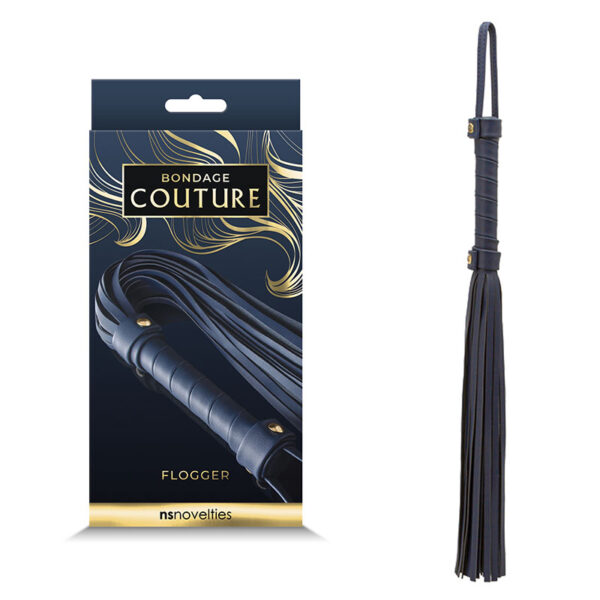
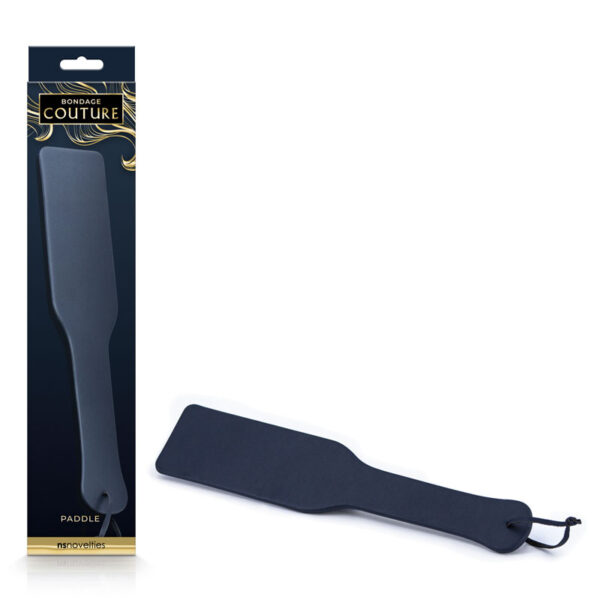
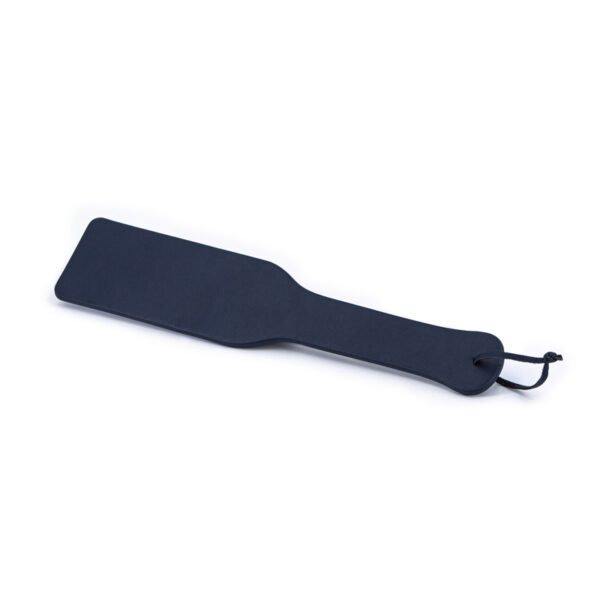
Sensation-based toys are a gentle way to explore kink generally without committing to anything elaborate.
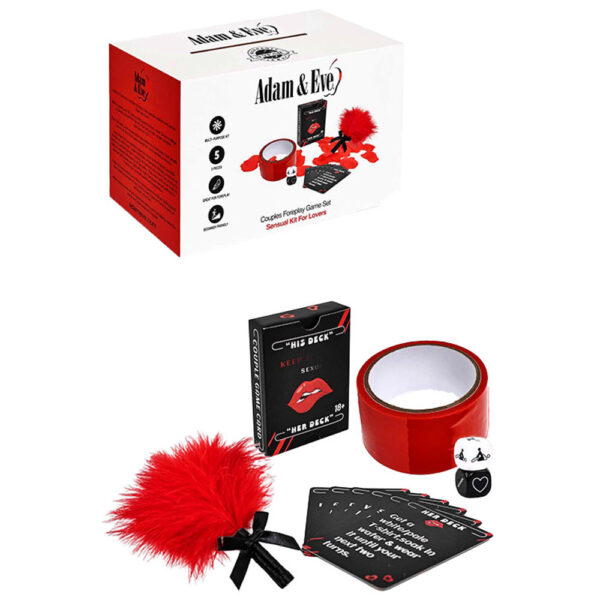
-9%
Original price was: $68.95.$62.95Current price is: $62.95.
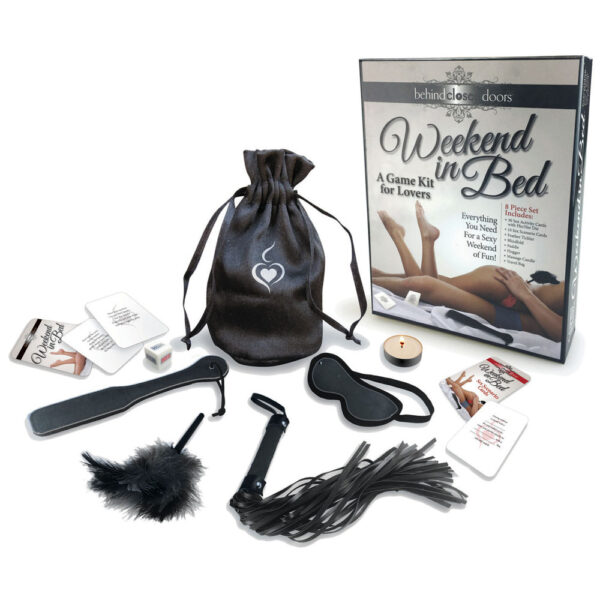
-9%
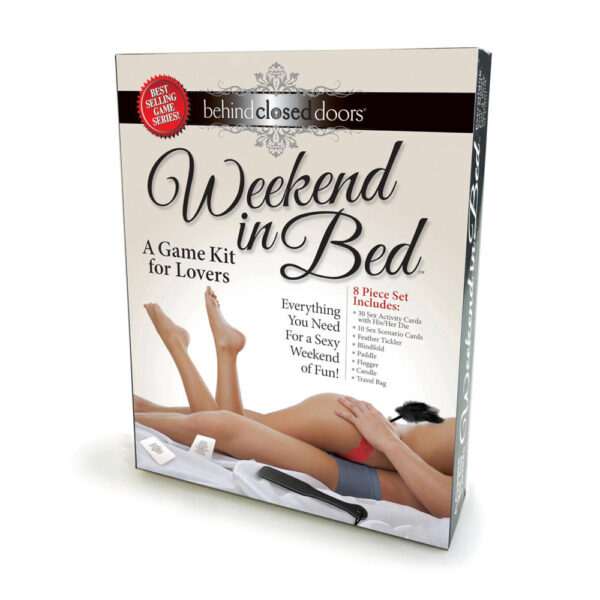
Original price was: $106.95.$96.95Current price is: $96.95.
-10%
Original price was: $62.95.$56.95Current price is: $56.95.
-0%
Original price was: $32.95.$32.81Current price is: $32.81.
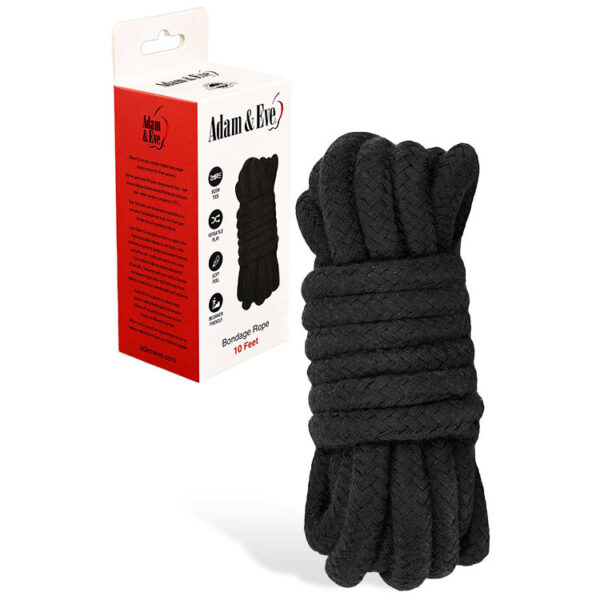
If power exchange is part of what you’re exploring, bondage essentials are worth starting with.
-1%
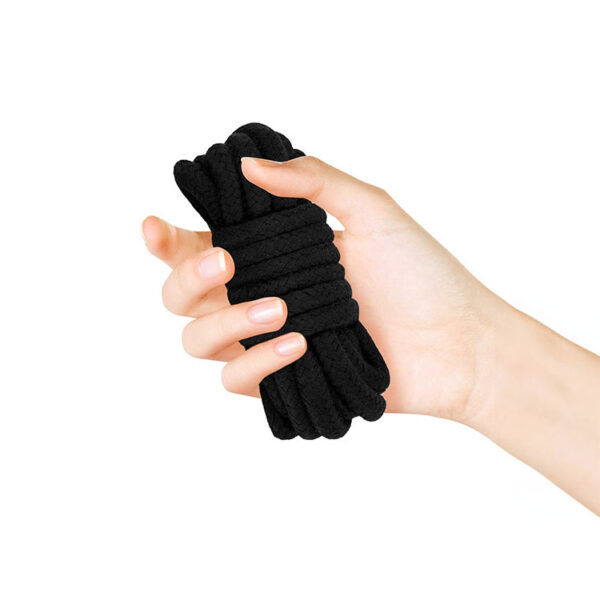
Original price was: $25.95.$23.95Current price is: $23.95.
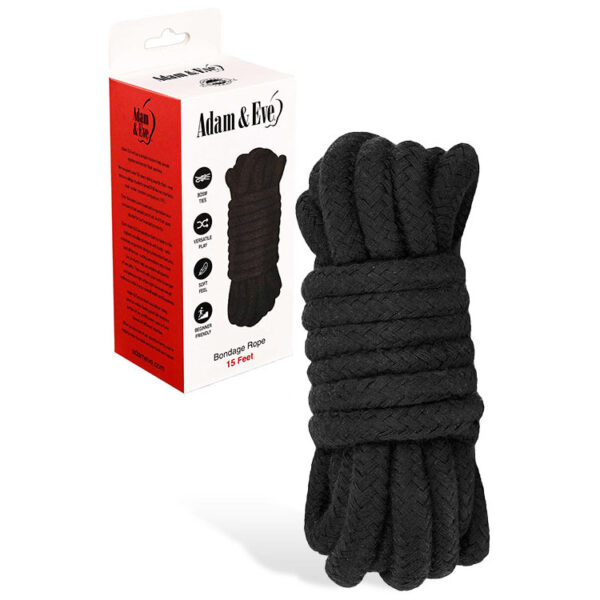
-9%
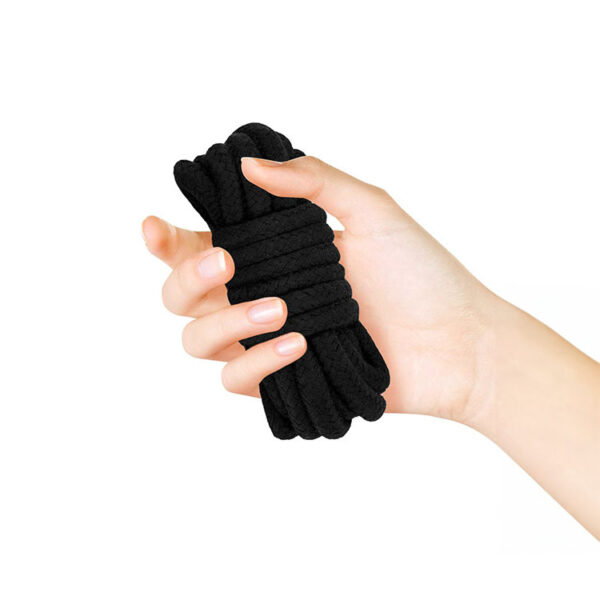
Original price was: $31.95.$28.95Current price is: $28.95.
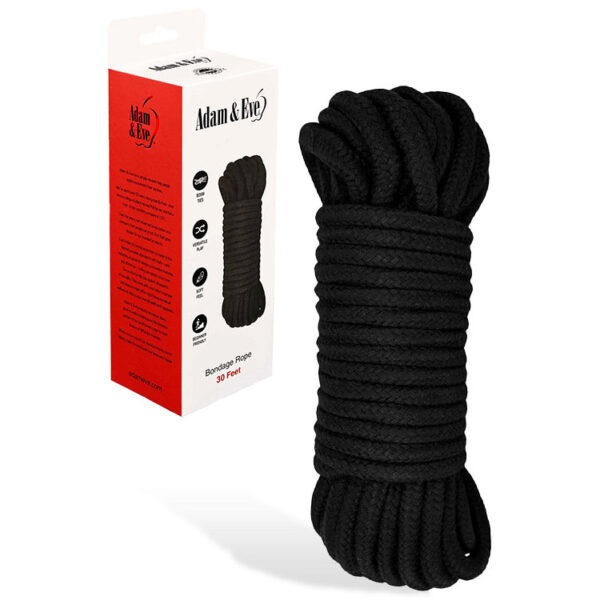
-9%
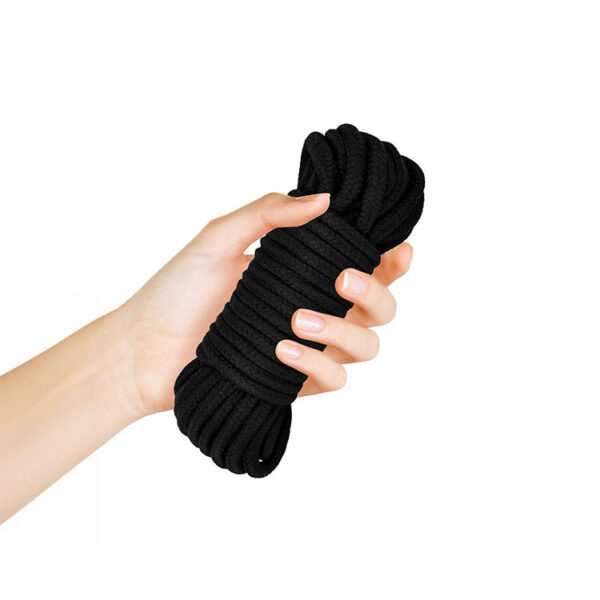
Original price was: $42.95.$38.95Current price is: $38.95.
-9%
Original price was: $68.95.$62.95Current price is: $62.95.
Key takeaways
- Kink is a broad preference that adds to the experience; fetish is a narrower, often-necessary trigger.
- All fetishes are kinks, but most kinks aren’t fetishes — fetish is the more specific subtype.
- Neither is a clinical disorder unless it causes real distress or involves non-consenting people, per the DSM-5.
- Naming either plainly to a partner tends to land better than treating it as a shameful secret.
If you’re exploring bondage specifically, start with our bondage 101 guide — trust, safewords, and a sensible starter kit before anything more advanced.
Authoritative sources and further reading
- Sex and Psychology: What’s the difference between a kink and a fetish? — Academic-informed breakdown of the terms by a social psychologist.
- mindbodygreen: Kink Versus Fetish — Clear consumer-facing explanation with the DSM-5 clinical context.
Related posts
Your cycle and arousal: how hormones change things month to month

Arousal isn't constant — here's how hormonal shifts across the menstrual cycle genuinely change desire, sensitivity and lubrication.
Choosing toys for different bodies and mobility considerations
Grip strength, reach, chronic pain, mobility limits — practical toy features that make a real difference for different bodies.
Understanding the refractory period — and how toys can help
Why men need a recovery window after orgasm, what actually shortens it, and how to keep intimacy going in the meantime.
How to actually use a penis pump safely
Pumps are simple in theory but easy to misuse. Here's the technique that actually works, and the mistakes that cause bruising.
A deeper guide to anal training: progressing safely over time
Past the beginner basics — how gradual anal training actually works, what "readiness" means, and common mistakes that cause setbacks.
Sensory deprivation play: blindfolds, earplugs and amplified senses
Remove one sense and the others sharpen dramatically — here's the science behind it and how to try it safely.
Kink vs fetish: what’s the actual difference
The two words get used interchangeably, but they don't mean quite the same thing — here's the distinction that actually matters.
Aftercare: not just for kink — why everyone benefits
Aftercare gets talked about mostly in BDSM circles, but the underlying idea helps almost any kind of sex feel better.
Ethical non-monogamy: what ENM actually means
Open relationships, polyamory, swinging — the terms explained plainly, and what makes any of it "ethical" in the first place.
Roleplay 101: how to start without it feeling awkward
Roleplay looks intimidating from the outside. Here's how to ease into it without props, scripts, or pressure to be a great actor.
Threesomes and group play: communication, boundaries and logistics
The unglamorous but essential part of adding a third person — how to talk about it, set boundaries, and actually plan for it.
Edging: what it is and why people do it on purpose
Bringing yourself (or a partner) right to the edge and backing off, deliberately — how it works and why people swear by it.