Free discreet shipping on orders over $75

Bondage and restraint play can be playful, intimate, and deeply trusting — when it’s built on communication first. Before any knot or blindfold, the real foundation is a conversation.
Talk before you tie
Agree in advance on what you’re both curious about and what’s off the table. Consent isn’t a one-time checkbox — it’s ongoing, and either person can change their mind at any point. That freedom is exactly what makes it feel safe enough to enjoy.
Choose a safeword
Pick a clear word that wouldn’t normally come up — many people use the traffic-light system: “green” for keep going, “yellow” for ease off, “red” to stop immediately. If someone is gagged or can’t speak, agree a non-verbal signal, such as dropping a held object.
Start soft
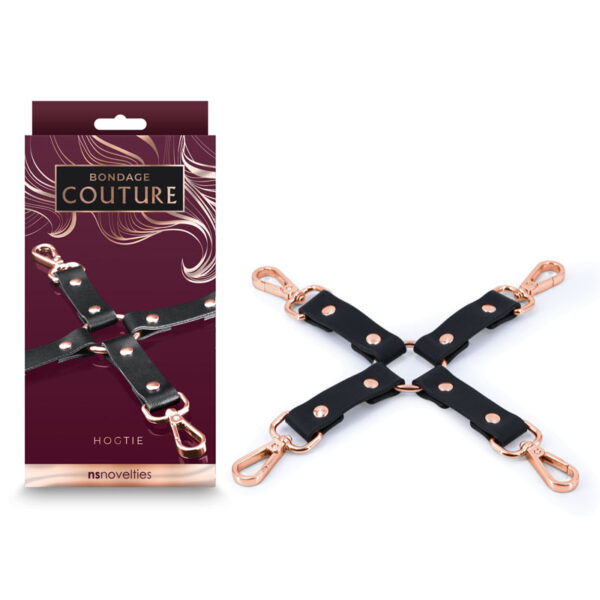
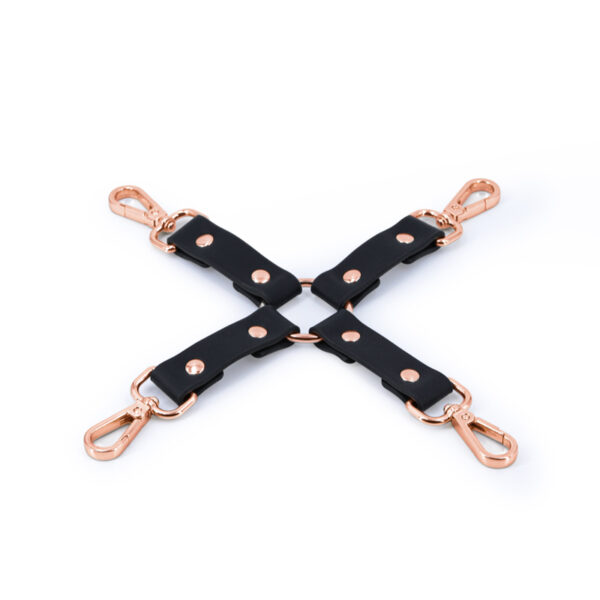
Padded cuffs with quick-release buckles are far friendlier for beginners than rope, which takes skill to use safely.
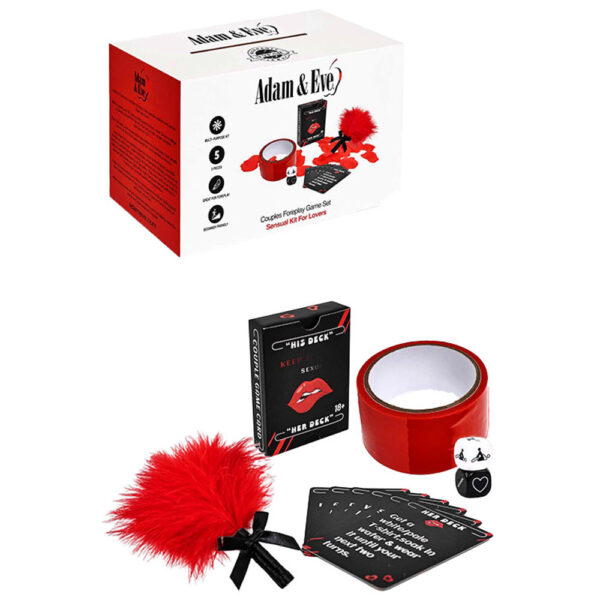
-9%

Original price was: $68.95.$62.95Current price is: $62.95.
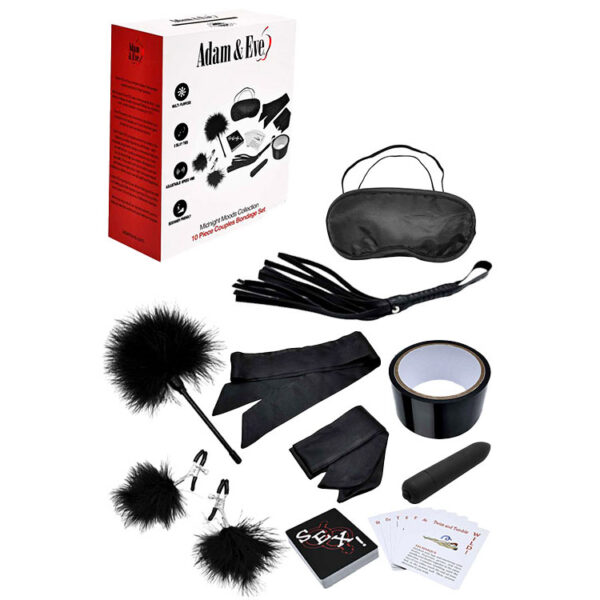
-9%
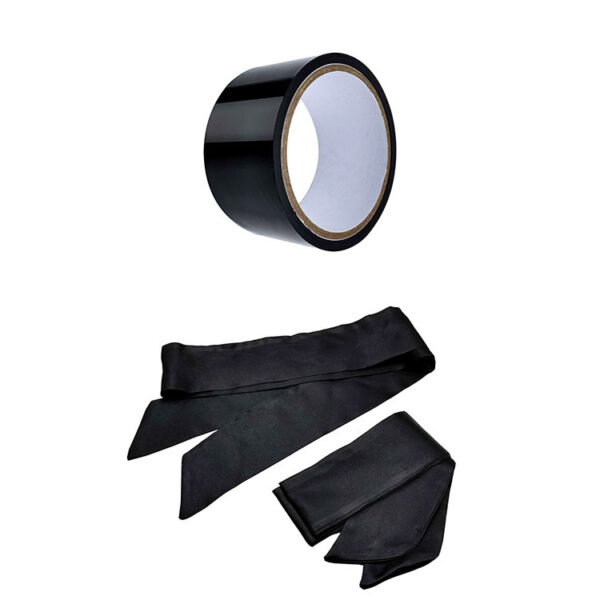
Original price was: $142.95.$129.95Current price is: $129.95.
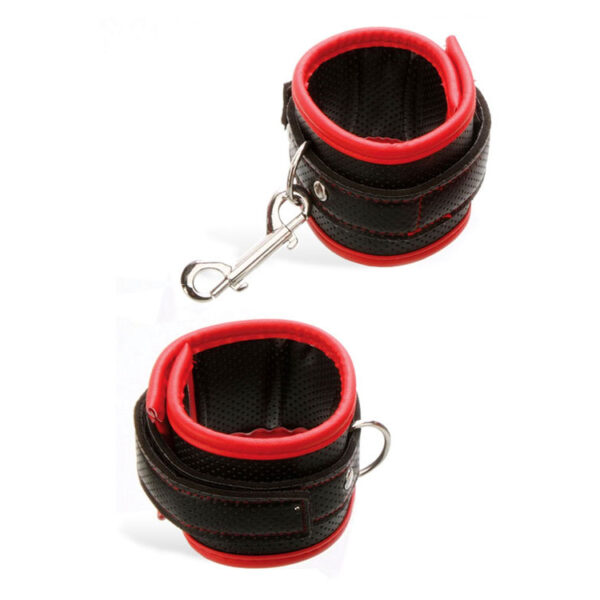
-10%

Original price was: $57.95.$51.95Current price is: $51.95.
-6%
Original price was: $39.95.$37.49Current price is: $37.49.
A blindfold on its own can transform sensation with zero risk — a gentle, complete way in.
-9%

Original price was: $106.95.$96.95Current price is: $96.95.
-9%
Original price was: $106.95.$96.95Current price is: $96.95.

-9%

Original price was: $34.36.$31.24Current price is: $31.24.
-8%
Original price was: $35.95.$32.95Current price is: $32.95.
Mind circulation and aftercare
Restraints should be snug, never tight — you should fit a finger underneath, and never bind around the neck or restrict breathing. Afterwards, “aftercare” (water, warmth, a chat, a cuddle) helps you both come back down and reconnect. It’s a small ritual that makes the whole experience feel cared-for.
Related posts
Vibration deep dive: why more speeds doesn’t mean a better toy

The spec sheet lies — "10 speeds, 20 patterns" tells you almost nothing about how a toy actually feels. Here's what to check instead.
Arousal non-concordance: why “turned on” and “physically ready” aren’t the same
Feeling desire and your body's physical arousal response don't always line up — and that mismatch is far more common than most people realise.
Sex after baby: what changes and how to ease back in
Physical recovery, exhaustion, body changes and desire that doesn't match what it used to — a realistic guide to easing back in.
How to talk about STIs and testing without killing the mood
A conversation most people dread, made simpler — practical scripts for bringing up testing and status with a new or existing partner.
Your cycle and arousal: how hormones change things month to month
Arousal isn't constant — here's how hormonal shifts across the menstrual cycle genuinely change desire, sensitivity and lubrication.
Choosing toys for different bodies and mobility considerations
Grip strength, reach, chronic pain, mobility limits — practical toy features that make a real difference for different bodies.
Understanding the refractory period — and how toys can help
Why men need a recovery window after orgasm, what actually shortens it, and how to keep intimacy going in the meantime.
How to actually use a penis pump safely
Pumps are simple in theory but easy to misuse. Here's the technique that actually works, and the mistakes that cause bruising.
A deeper guide to anal training: progressing safely over time
Past the beginner basics — how gradual anal training actually works, what "readiness" means, and common mistakes that cause setbacks.
Sensory deprivation play: blindfolds, earplugs and amplified senses
Remove one sense and the others sharpen dramatically — here's the science behind it and how to try it safely.
Kink vs fetish: what’s the actual difference
The two words get used interchangeably, but they don't mean quite the same thing — here's the distinction that actually matters.
Aftercare: not just for kink — why everyone benefits
Aftercare gets talked about mostly in BDSM circles, but the underlying idea helps almost any kind of sex feel better.



3 thoughts on “Bondage 101: trust, safewords & starter kits”