Free discreet shipping on orders over $75

Toy marketing loves big numbers — “12 vibration modes,” “20 intensity levels” — but the number on the box tells you almost nothing about how a toy actually feels. Here’s what genuinely matters and why.
Rumbly vs buzzy: the distinction that actually matters
Cheaper motors produce a thin, high-frequency “buzzy” vibration that sits mostly on the skin’s surface and can numb sensation quickly. Better-built toys use a stronger, lower-frequency motor that produces a deeper “rumbly” vibration, which most people find both more satisfying and less prone to that numbing effect over a longer session. This is a build-quality difference, not something you can tune with a settings menu.
Motor placement changes everything
Two toys with identical motors feel completely different depending on where the vibration is actually delivered — right at the tip, spread across a wider surface, or dampened by thick silicone between the motor and your skin. A thinner silicone shell generally transmits vibration more directly.
What “20 patterns” usually means in practice
Most pattern menus are variations on pulsing, escalating, and wave-like rhythms layered over the same handful of intensity levels — genuinely useful mostly for finding a rhythm that matches your own, rather than 20 meaningfully distinct sensations. A toy with 3 well-built intensity levels and a good motor will usually outperform a 20-pattern toy with a weak one.
Wand massagers — known for rumbly, deep vibration
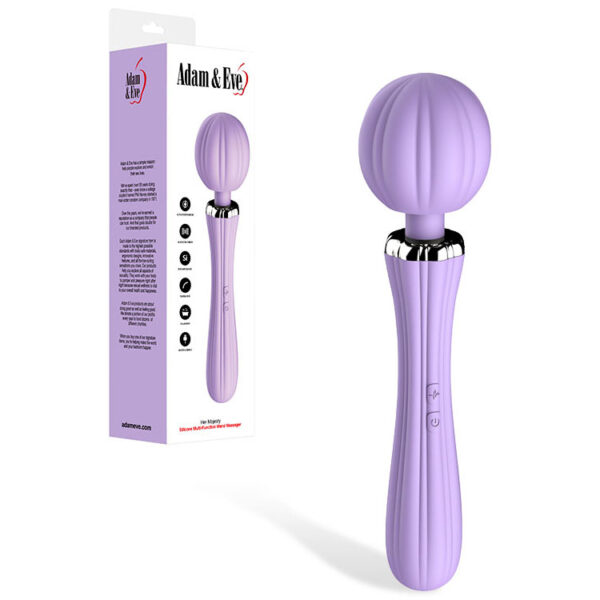
-9%
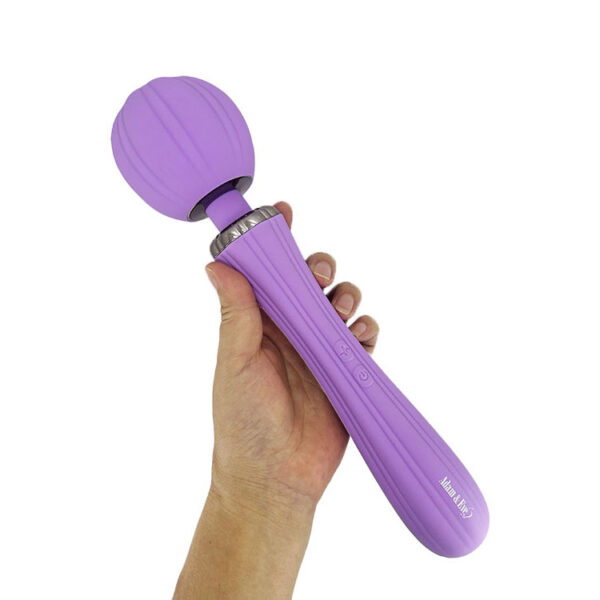
Original price was: $210.95.$191.95Current price is: $191.95.
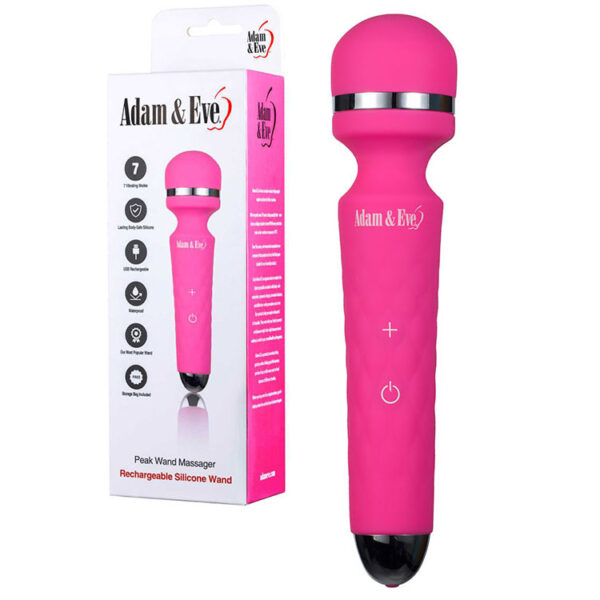
-9% Hot
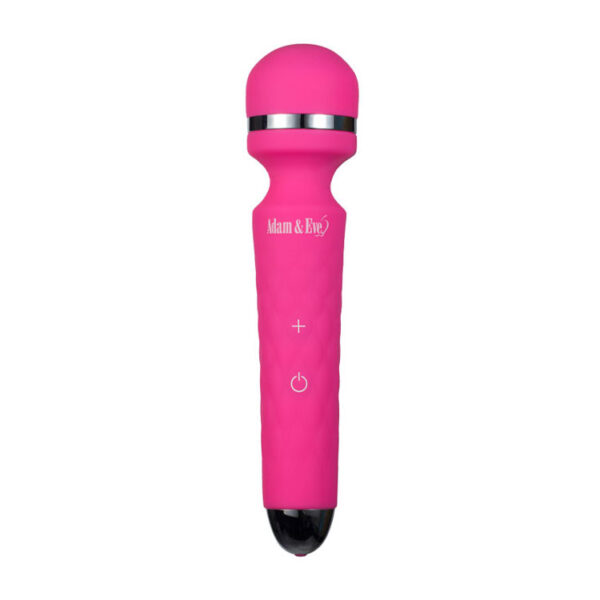
Original price was: $171.95.$155.95Current price is: $155.95.
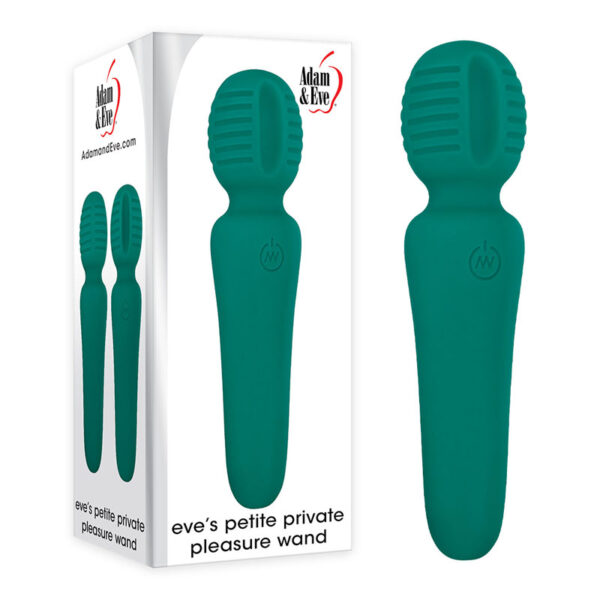
-9% Hot
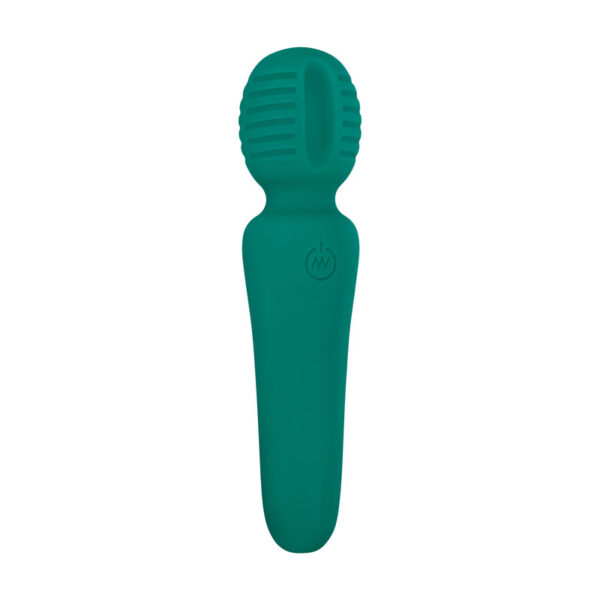
Original price was: $112.95.$102.95Current price is: $102.95.
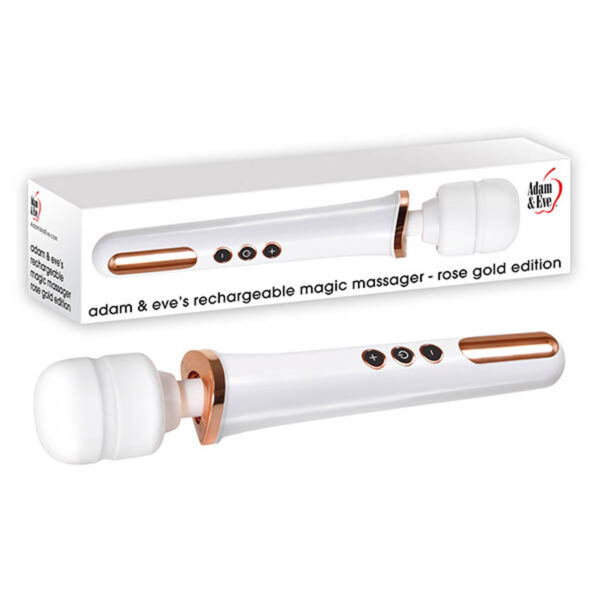
-9%
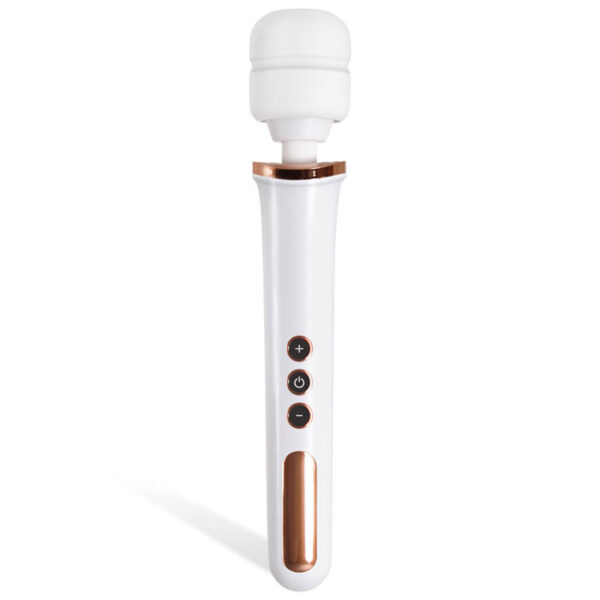
Original price was: $162.95.$147.95Current price is: $147.95.
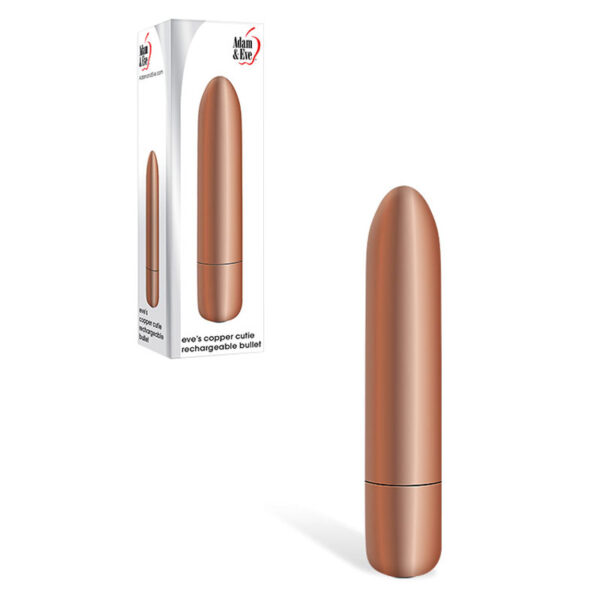
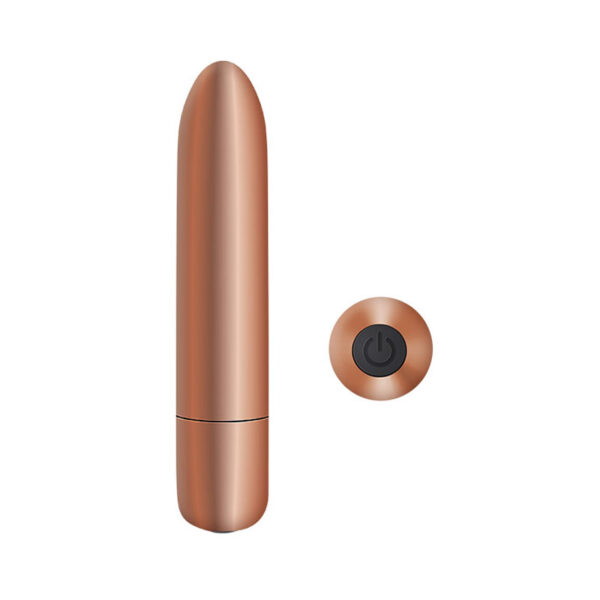
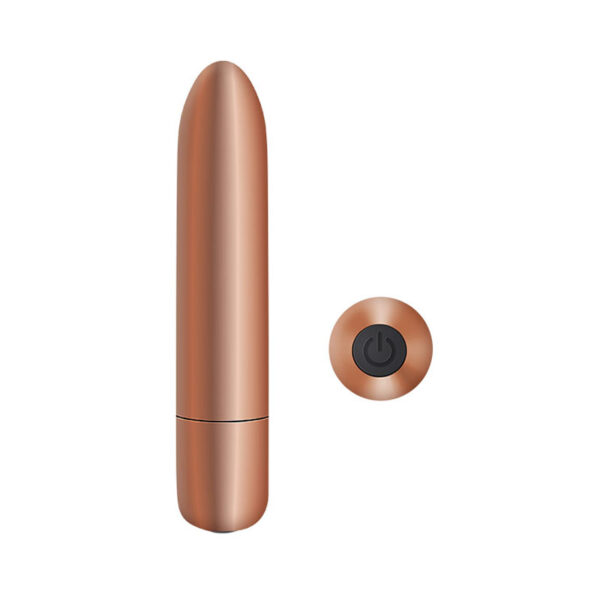
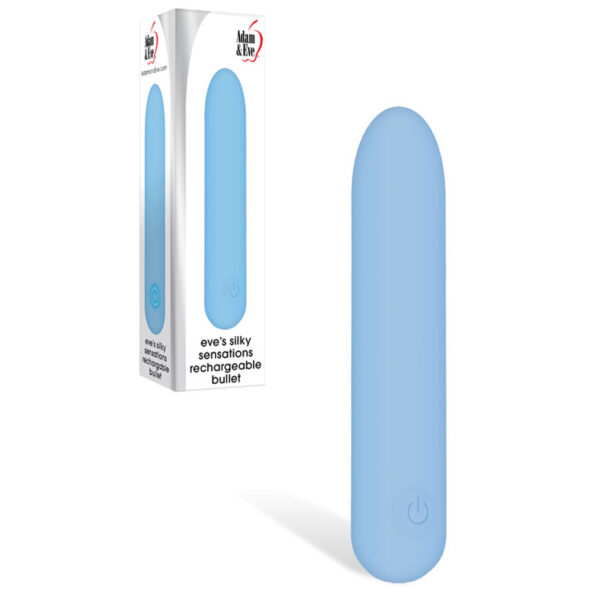
Bullet vibrators for precise, controllable intensity
-9%
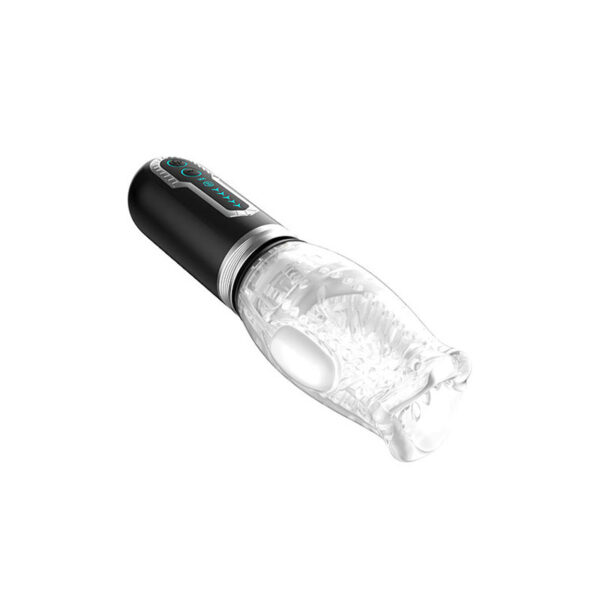
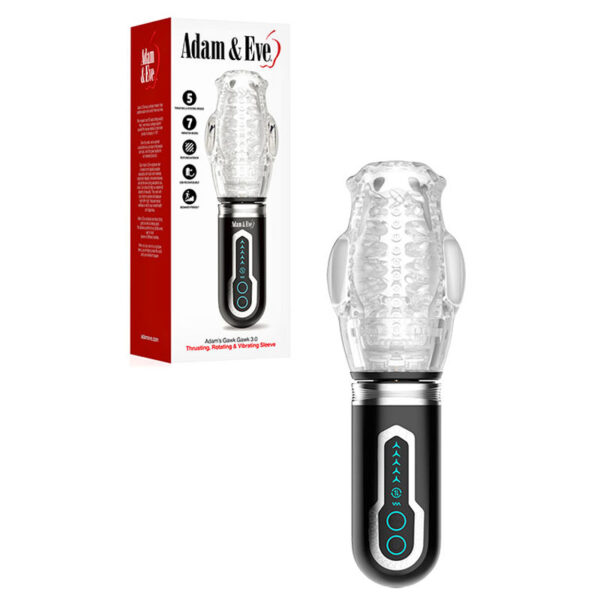
Adam & Eve Adam’s Gawk Gawk 3.0 – Clear USB Rechargeable Thrusting, Rotating & Vibrating Masturbator
Original price was: $196.95.$178.95Current price is: $178.95.
-9%
Original price was: $35.07.$31.88Current price is: $31.88.

-8%
Original price was: $36.95.$33.95Current price is: $33.95.
-9% Hot

Original price was: $67.95.$61.95Current price is: $61.95.
Our wand massagers guide and first toy guide both go deeper on picking the right sensation type for you.
Related posts
Vibration deep dive: why more speeds doesn’t mean a better toy

The spec sheet lies — "10 speeds, 20 patterns" tells you almost nothing about how a toy actually feels. Here's what to check instead.
Arousal non-concordance: why “turned on” and “physically ready” aren’t the same
Feeling desire and your body's physical arousal response don't always line up — and that mismatch is far more common than most people realise.
Sex after baby: what changes and how to ease back in
Physical recovery, exhaustion, body changes and desire that doesn't match what it used to — a realistic guide to easing back in.
How to talk about STIs and testing without killing the mood
A conversation most people dread, made simpler — practical scripts for bringing up testing and status with a new or existing partner.
Your cycle and arousal: how hormones change things month to month
Arousal isn't constant — here's how hormonal shifts across the menstrual cycle genuinely change desire, sensitivity and lubrication.
Choosing toys for different bodies and mobility considerations
Grip strength, reach, chronic pain, mobility limits — practical toy features that make a real difference for different bodies.
Understanding the refractory period — and how toys can help
Why men need a recovery window after orgasm, what actually shortens it, and how to keep intimacy going in the meantime.
How to actually use a penis pump safely
Pumps are simple in theory but easy to misuse. Here's the technique that actually works, and the mistakes that cause bruising.
A deeper guide to anal training: progressing safely over time
Past the beginner basics — how gradual anal training actually works, what "readiness" means, and common mistakes that cause setbacks.
Sensory deprivation play: blindfolds, earplugs and amplified senses
Remove one sense and the others sharpen dramatically — here's the science behind it and how to try it safely.
Kink vs fetish: what’s the actual difference
The two words get used interchangeably, but they don't mean quite the same thing — here's the distinction that actually matters.
Aftercare: not just for kink — why everyone benefits
Aftercare gets talked about mostly in BDSM circles, but the underlying idea helps almost any kind of sex feel better.