Free discreet shipping on orders over $75

Roleplay has a reputation for requiring elaborate costumes, memorised scripts, and a level of performance confidence most people don’t naturally have. In practice, the simplest versions are far more accessible than that, and most of the awkwardness people expect disappears after the first attempt — the biggest barrier isn’t skill, it’s the conversation beforehand that most people skip or rush.
Quick picks if you’re short on time:
- Bring it up as a curiosity outside the bedroom first — “I had a thought, would you want to hear it?” — never slip into character without discussing it beforehand.
- Start with a simple, low-effort scenario for your first attempt — no costumes or scripts required.
- Agree on a safeword or check-in phrase even for “light” roleplay, so breaking character to address something real doesn’t feel like it kills the mood permanently.
- Save elaborate setups for later, once you’re both comfortable with the basic format.
Next step: think of one small scenario shift (a different name, a slightly different version of yourself, “strangers meeting”) and bring it up as a question, not a plan already in motion.
Table of Contents
- Why the conversation matters more than the scenario
- How to actually bring it up
- Beginner-friendly scenarios, at a glance
- Safewords still apply, even outside kink
- What to do if it feels awkward the first time
- Building toward more elaborate scenes
- The thing most people get wrong about roleplay
- Setting the scene: props that actually help
- Key takeaways
- Authoritative sources and further reading
Why the conversation matters more than the scenario
Slipping into character without discussing it first can catch a partner off guard and blur consent in a way that’s easy to avoid entirely with one short conversation beforehand. That conversation also gives both of you a chance to shape the scenario, agree on tone, and name any hard limits before you’re already in the moment and it’s harder to pause and clarify. The scenario itself is almost always less important to how well it goes than whether both people genuinely opted in ahead of time.
How to actually bring it up
Framing it as curiosity rather than a request removes most of the pressure: “I had a thought about trying something, would you be into hearing it?” gives your partner an easy, low-stakes way to say yes to the conversation without committing to anything yet. This is a much gentler on-ramp than announcing a fully formed plan, and it applies to roleplay specifically as much as any other new idea — our guide on talking to a partner about trying something new covers more scripts that work here too.
Beginner-friendly scenarios, at a glance
| Scenario type | Effort level | Why it works for a first try |
|---|---|---|
| Strangers meeting for the first time | Very low — no costume needed | Simple premise, easy to stay in character without a script |
| A slightly different version of yourself | Low | Doesn’t require “becoming” someone else entirely |
| A single costume piece (not a full outfit) | Low-medium | Visual cue without needing a full transformation |
| Established power-dynamic scenario | Medium-high | Best saved until you’re both comfortable with the basic format |
Safewords still apply, even outside kink
Even for roleplay that has nothing to do with bondage or power exchange, agreeing on a simple word or phrase that means “stop the scene, let’s check in as ourselves” removes the worry that breaking character to address something real will kill the mood permanently. Knowing that exit is there, even if you never need it, tends to make people more relaxed and willing to stay in the scenario rather than half-committing out of anxiety.
What to do if it feels awkward the first time
It usually does, and that’s completely normal — most people report the first attempt feeling slightly stilted or self-conscious, and it gets easier quickly with repetition. If it feels genuinely uncomfortable rather than just new, that’s worth naming directly afterward rather than assuming roleplay just “isn’t for you” based on one attempt; often the scenario itself was the mismatch, not the format.
Building toward more elaborate scenes
Once the basic format feels comfortable, more elaborate scenarios — specific characters, settings, or established dynamics you return to repeatedly — become much easier to build. Many couples develop a kind of shorthand over time, where a single phrase or cue is enough to signal “let’s start” without needing to re-explain the whole scenario each time.
The thing most people get wrong about roleplay
The most common mistake is assuming roleplay requires acting talent or an elaborate script, which sets an intimidating bar that stops a lot of people before they try. In practice, the “acting” required for a first attempt is minimal — a change in tone of voice or a couple of lines of dialogue is often enough to shift the dynamic noticeably. Waiting until you feel confident enough to do it “properly” is usually the thing that prevents people from trying at all.
Setting the scene: props that actually help
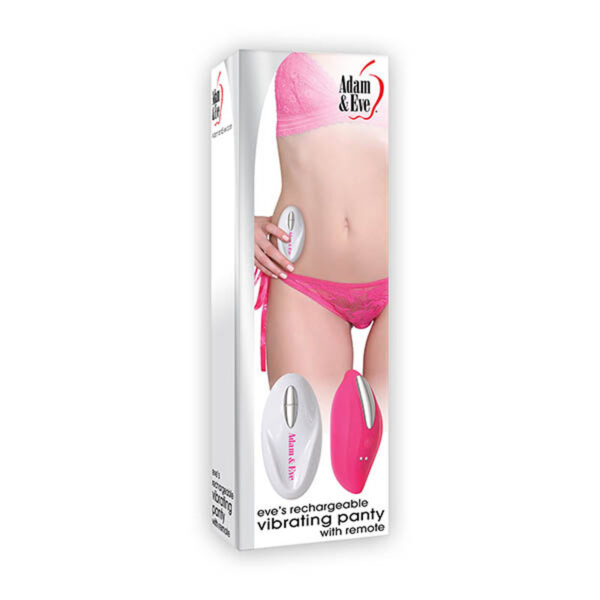
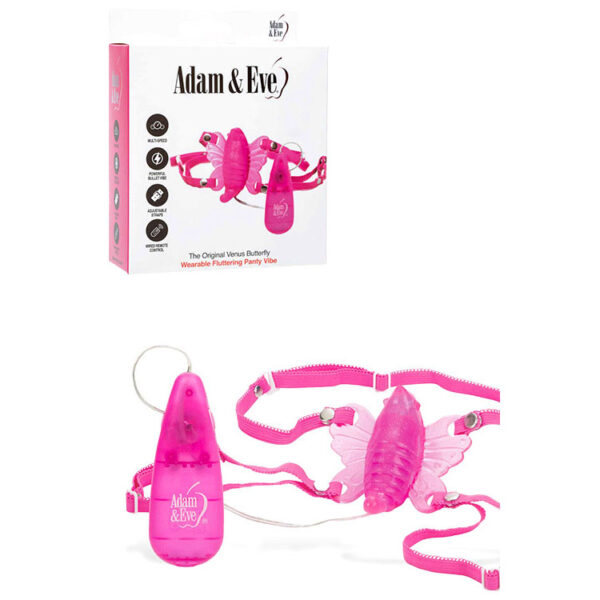
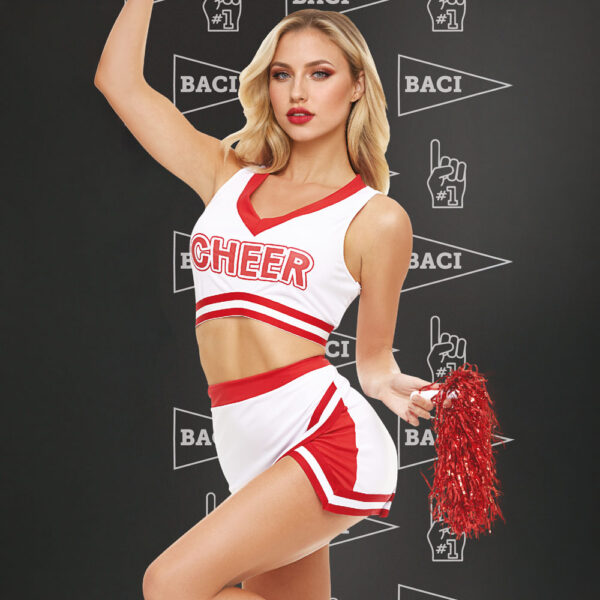
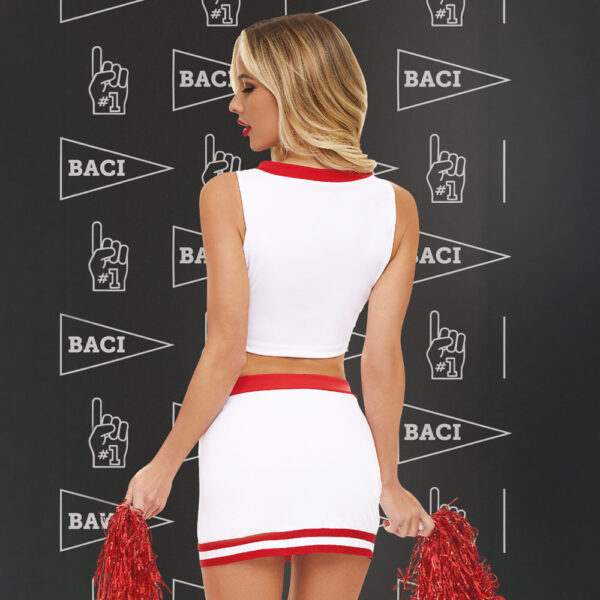
Lingerie or a single costume piece is often enough to signal a scenario shift without needing a full outfit change.
-9% Hot
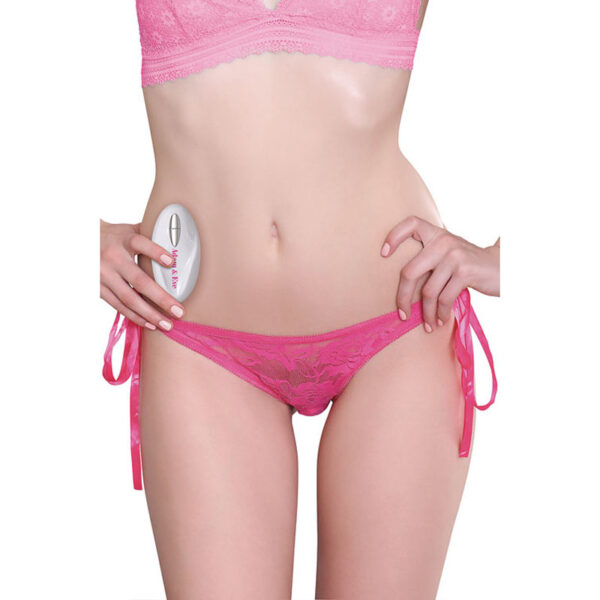
Adam & Eve Eve’s Rechargeable Vibrating Panty With Remote – Pink Vibrating Panty with Remote Control
Original price was: $149.95.$135.95Current price is: $135.95.
-9%

Original price was: $68.95.$62.95Current price is: $62.95.

-9%

Original price was: $98.95.$89.95Current price is: $89.95.
-9%
Original price was: $98.95.$89.95Current price is: $89.95.
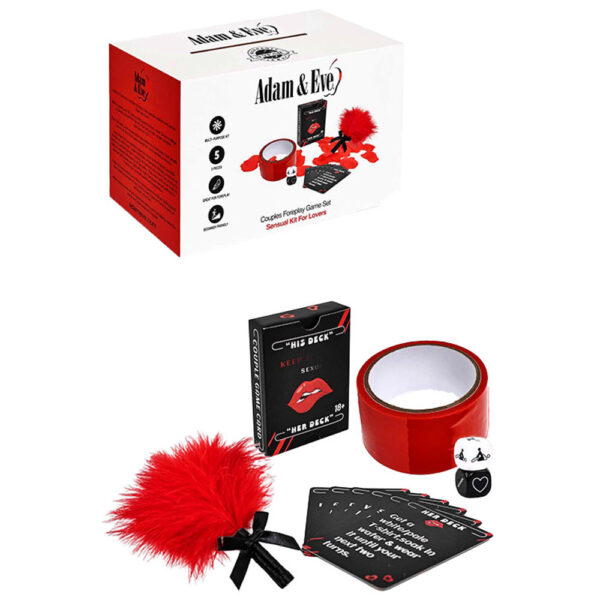
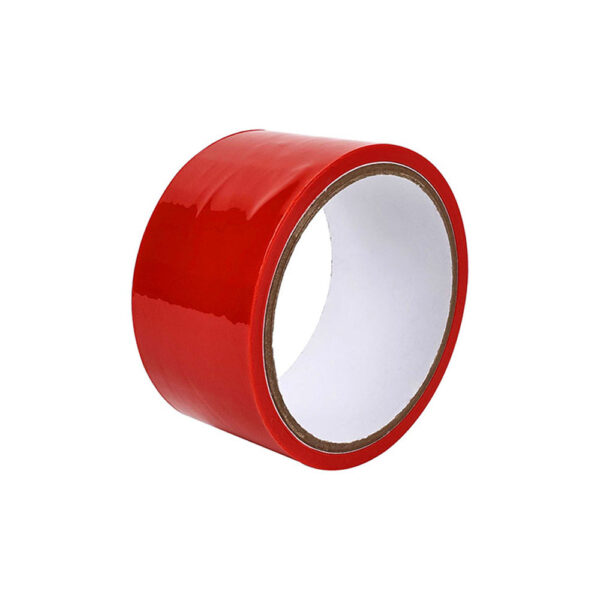
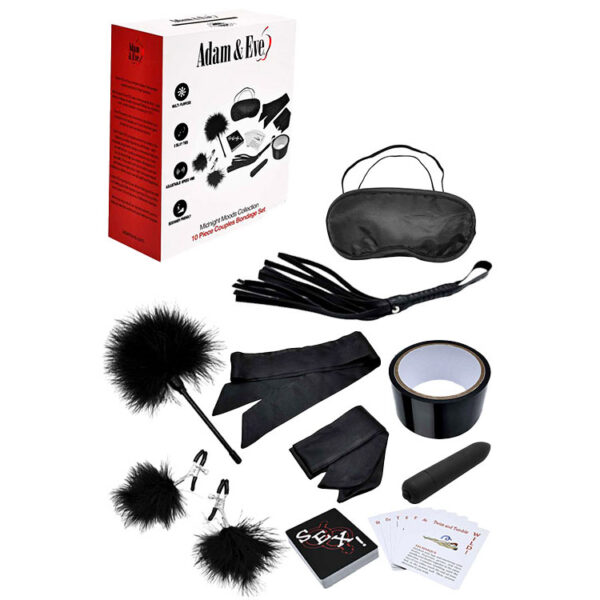
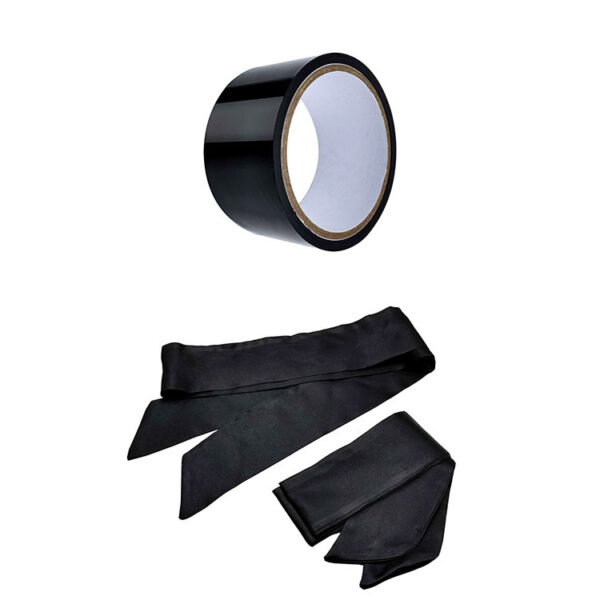
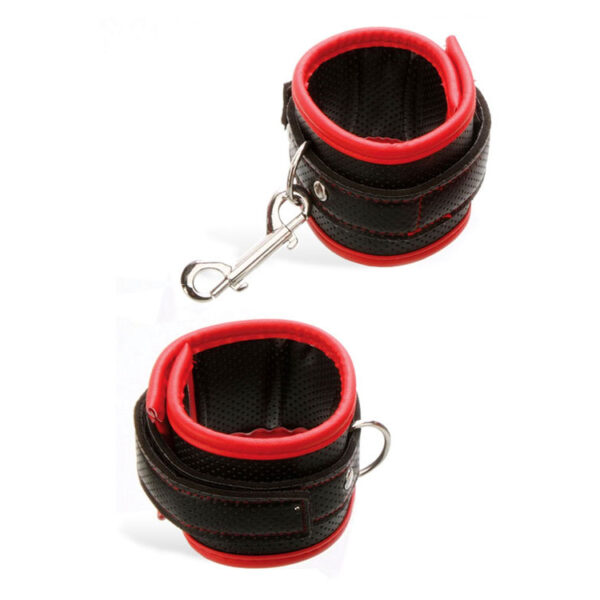
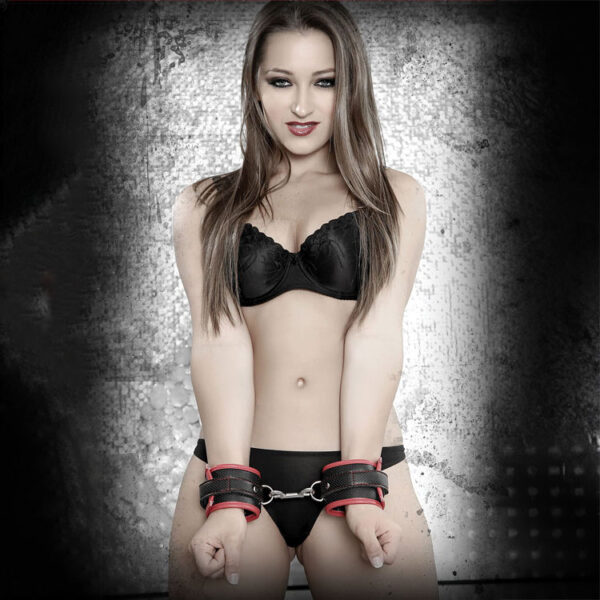
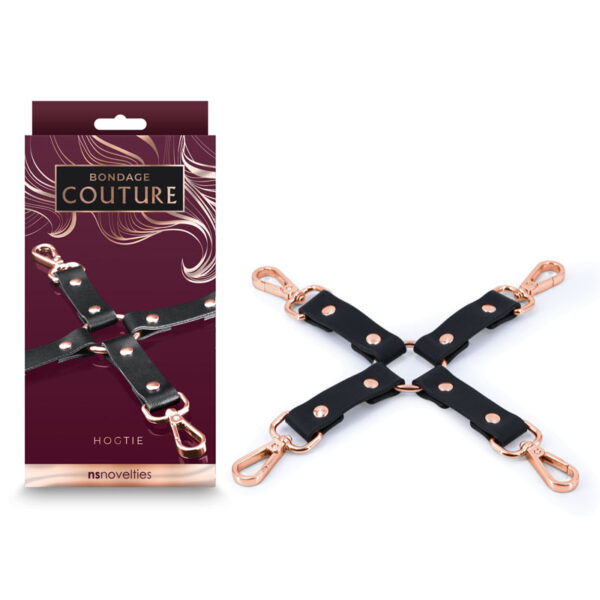
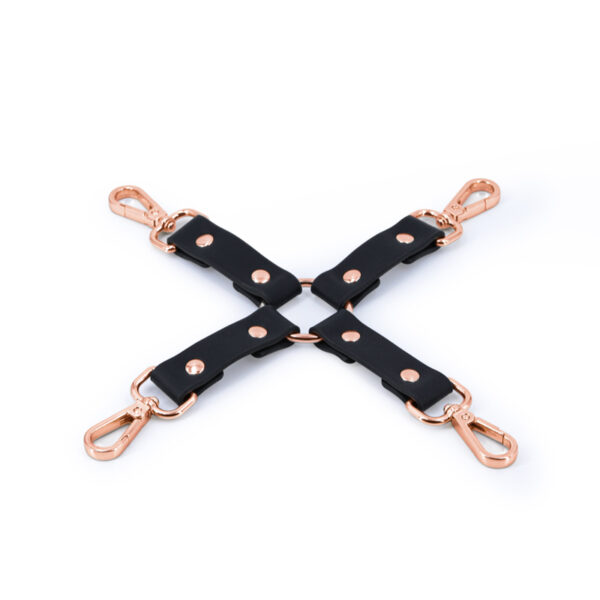
Light restraints suit scenarios that call for a power-exchange dynamic, once you’re both comfortable with the basic format.
-9%
Original price was: $68.95.$62.95Current price is: $62.95.
-9%
Original price was: $142.95.$129.95Current price is: $129.95.
-10%
Original price was: $57.95.$51.95Current price is: $51.95.
-6%
Original price was: $39.95.$37.49Current price is: $37.49.
Key takeaways
- The pre-conversation matters more than the scenario itself — never slip into character without discussing it first.
- Start simple: “strangers meeting” or a slightly different version of yourself, no costume required for a first attempt.
- A safeword still applies outside formal kink — it protects the ability to pause without ending the mood entirely.
- Feeling awkward the first time is normal and usually fades quickly with a little repetition.
For bondage-specific roleplay, our bondage 101 guide covers trust and safewords in more depth. If lingerie is part of your plan, check our lingerie fit guide first — comfort matters more than the photo.
Authoritative sources and further reading
- MasterClass: Sex Roleplay Ideas — Practical starter scenarios and how-to guidance for beginners.
Related posts
Roleplay 101: how to start without it feeling awkward

Roleplay looks intimidating from the outside. Here's how to ease into it without props, scripts, or pressure to be a great actor.
Threesomes and group play: communication, boundaries and logistics
The unglamorous but essential part of adding a third person — how to talk about it, set boundaries, and actually plan for it.
Edging: what it is and why people do it on purpose
Bringing yourself (or a partner) right to the edge and backing off, deliberately — how it works and why people swear by it.
Multiple orgasms: what’s actually happening in your body
The real, research-backed version of multiple orgasms — who experiences them, why, and how to explore without the pressure.
Squirting: the science, the myths, and what actually helps
What squirting actually is, why it isn't "just urine," and what tends to make it more likely — without the pressure to perform.
Anal beads vs. butt plugs: what’s the difference

Two different sensations, not interchangeable. Here's how to tell which one you actually want.
Lingerie fit guide: how to choose pieces that actually feel good
Fit and fabric matter more than the photo. Here's what to actually check before you buy.
Setting the mood: massage oils, candles and slowing down
Oils, candles and simply slowing down — small changes that make a bigger difference than another toy.
Wand massagers: why everyone’s obsessed
Why wand massagers have such a loyal following, and how to pick the right one for you.
Ben Wa balls & kegel weights: a beginner’s guide
Weighted balls explained — pleasure, pelvic floor training, or both — and how to start safely.
Cock rings explained: what they do and how to use one safely
What cock rings actually do, vibrating vs standard, and the one safety rule that matters most.
Onahole masturbators: what they are and how to choose one
What an onahole actually is, what makes one different from another, and how to look after it properly.