Free discreet shipping on orders over $75

Squirting is a real, physiologically documented phenomenon — a sudden release of fluid from the urethra during arousal or orgasm — but it’s genuinely misunderstood even in recent research. The fluid is a mix: mostly similar to urine in one 2015 study, but in four out of five participants it also contained prostate-specific antigen (PSA), a marker that only comes from the Skene’s glands, not the bladder. It’s most reliably triggered by sustained, firm pressure on the G-spot area, and roughly half of people with vulvas report experiencing it at least once — it is not rare, and it is not “just pee,” even though urine is part of the mix for most people.
Quick picks if you’re short on time:
- Squirting and female ejaculation are related but technically different — squirting involves bladder fluid, ejaculation is Skene’s gland secretion, and for most people they overlap.
- The most reliable trigger is sustained, firm pressure on the G-spot — a curved toy makes this far easier to maintain than fingers.
- Relaxing rather than clenching is the single biggest factor most people report — the urge to hold back is usually what prevents it.
- It’s not a marker of a “better” orgasm, and plenty of people never experience it despite trying — that’s completely normal.
Next step: if you want to try, empty your bladder first so you’re not second-guessing the sensation, use plenty of lube, and give yourself at least 20 unhurried minutes with no goal beyond noticing what feels good.
Table of Contents
- What squirting actually is, chemically
- Squirting vs. female ejaculation — are they the same thing?
- Why G-spot stimulation is usually the trigger
- Squirting myths, at a glance
- What actually helps, based on what people report
- Why some people never experience it, and why that’s fine
- Talking to a partner about it, either way
- The thing most people get wrong about squirting
- Toys that make it more achievable
- Key takeaways
- Authoritative sources and further reading
What squirting actually is, chemically
Research on squirted fluid has found it’s genuinely a hybrid. A frequently cited 2015 French study analysed fluid samples before and after squirting and found that the released fluid was chemically similar to urine in most cases, but in the majority of samples it also contained detectable PSA — a substance not naturally present in urine, and one that comes specifically from the Skene’s glands (sometimes called the female prostate). That combination is why researchers now describe squirting and pure female ejaculation as related but distinct processes that frequently happen together rather than as the exact same event.
Squirting vs. female ejaculation — are they the same thing?
Not quite, though the terms get used interchangeably. Female ejaculation refers specifically to a small amount (a few millilitres) of thick, milky fluid released from the Skene’s glands during orgasm — it contains PSA, along with glucose and fructose, similar in some ways to seminal fluid. Squirting refers to a larger-volume, more sudden release, partly involving the bladder. Most researchers now believe the two frequently occur together and share plumbing, but they’re not strictly identical processes — which is part of why studies have historically produced inconsistent results.
Why G-spot stimulation is usually the trigger
Squirting is most reliably associated with sustained, firm pressure on the G-spot area — the front vaginal wall, roughly two to three centimetres in. This is exactly why curved toys tend to make it more achievable than fingers or a straight toy: the curve maintains consistent pressure on the right spot without requiring an awkward, tiring hand angle held for several minutes. We cover the anatomy involved in more detail in our G-spot 101 guide.
Squirting myths, at a glance
| Myth | What’s actually true |
|---|---|
| “It’s just pee” | Urine is often part of the mix, but PSA — which only comes from the Skene’s glands — is detected in most samples too. |
| “Everyone should be able to do it with the right technique” | About half of people with vulvas report experiencing it; anatomy and Skene’s gland size vary genuinely person to person. |
| “It means the orgasm was better” | Squirting and orgasm intensity are not directly linked — some people squirt without orgasming, and vice versa. |
| “You need a specific rare skill” | Relaxation and sustained G-spot pressure account for most of what determines whether it happens, not a special technique. |
What actually helps, based on what people report
A few things come up consistently in both research and from sex educators: relaxing rather than clenching (the instinct to hold back is often exactly what prevents it), using plenty of lube, not rushing, and emptying your bladder beforehand so you’re not distracted or self-conscious about the sensation, which can initially feel similar to needing to pee. Sustained, rhythmic pressure — rather than fast or varying motion — tends to be more effective for most people who report success.
Why some people never experience it, and why that’s fine
Skene’s gland size and structure vary naturally between individuals — some people have larger, more developed glands, others have very little tissue there at all, similar to natural anatomical variation anywhere else in the body. That means squirting isn’t purely a matter of technique or practice for everyone; for some people, it may simply not happen regardless of what’s tried, and that has no bearing on how much pleasure or how strong an orgasm someone is capable of experiencing.
Talking to a partner about it, either way
If you’re curious about trying with a partner, it’s worth saying so plainly rather than hoping it happens spontaneously — something like “I’ve read this is more about relaxing than technique, want to try together without any pressure to make it happen?” sets expectations honestly. It’s equally worth saying, if you already know it’s not something your body does, that it’s not a goal for you — this heads off a partner feeling like they’re doing something wrong when the anatomy simply doesn’t work that way for you. Porn has made squirting look like a default, easy outcome of good sex, which sets an unrealistic bar for a lot of couples navigating this for the first time together.
If it does happen and either of you feels self-conscious about the amount of fluid, that’s a completely normal reaction the first few times — a towel underneath in advance solves the practical side without needing to make it a bigger conversation than it needs to be.
The thing most people get wrong about squirting
The biggest misconception isn’t about the fluid itself — it’s the idea that squirting is a goal to achieve rather than one possible sensation among many. Treating it as a target tends to backfire directly, because the anxious, self-monitoring mental state that comes with “trying to make it happen” is usually the opposite of the relaxed state that actually makes it more likely. The more useful framing, echoed by most sex educators, is to treat squirting the way you’d treat any other sensation you’re curious about: worth exploring without pressure, not worth chasing at the expense of actually enjoying yourself.
Toys that make it more achievable
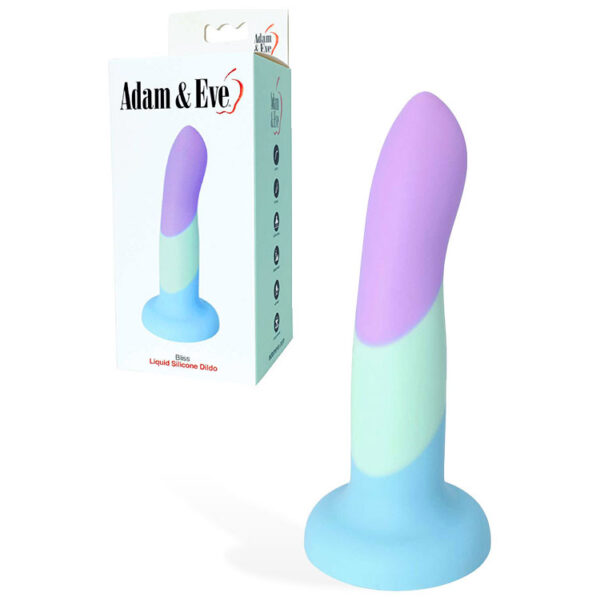
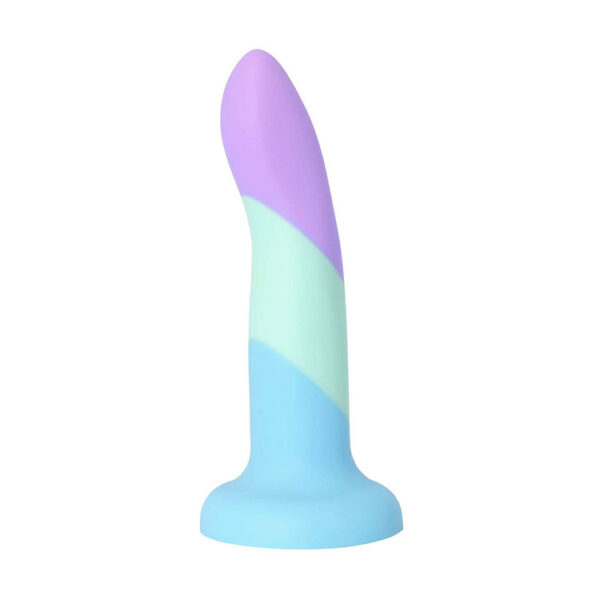
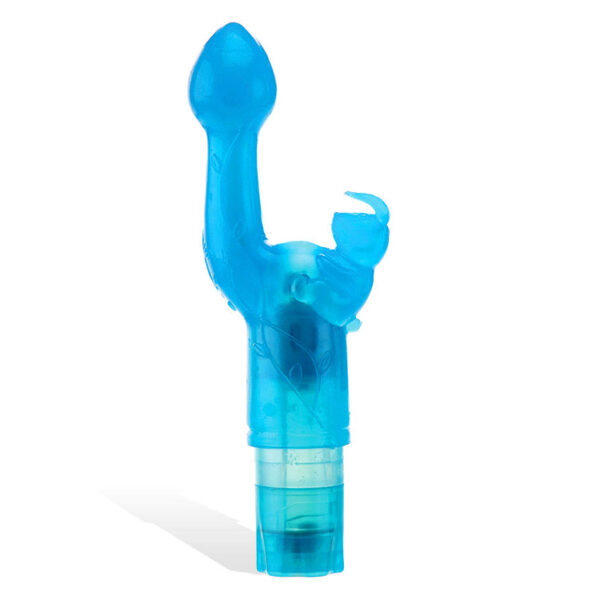
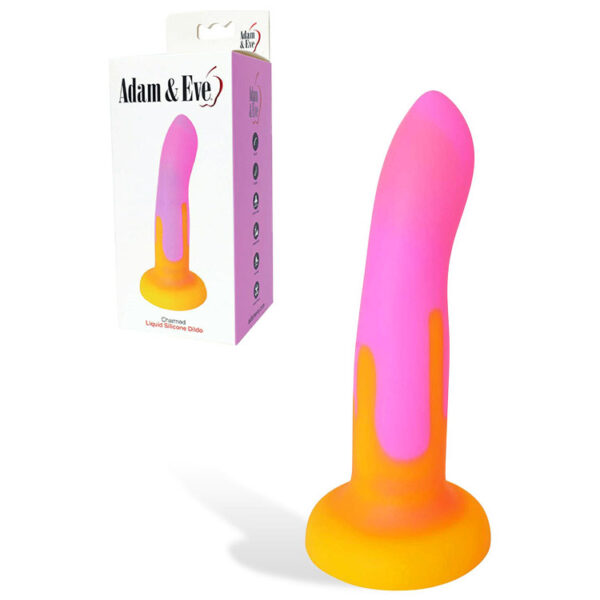
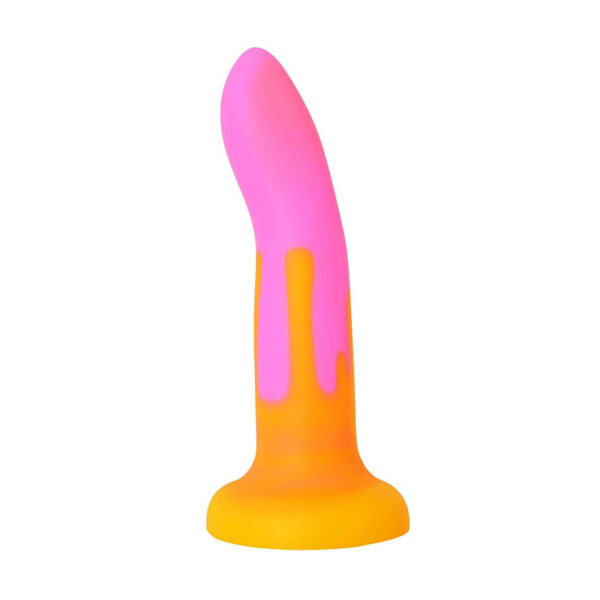
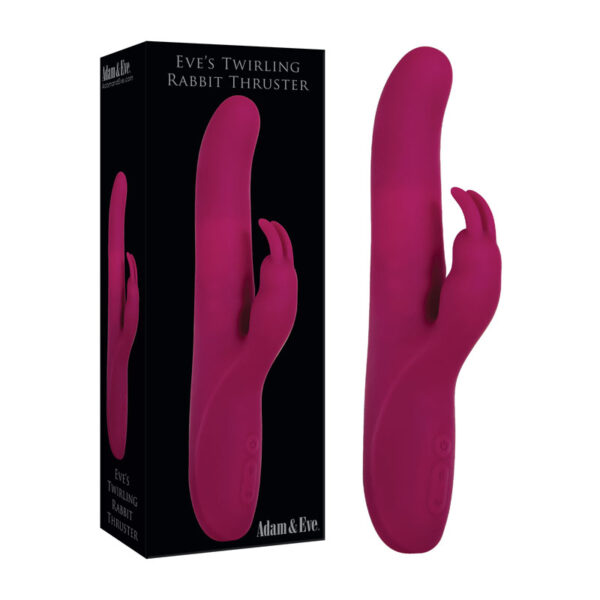
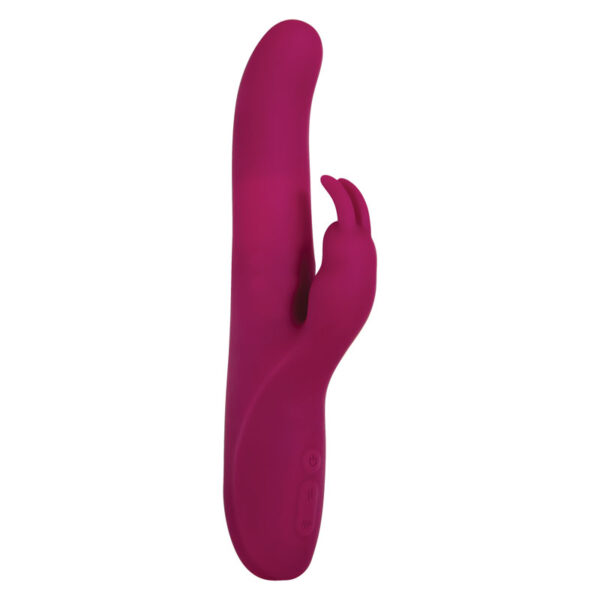
Because sustained pressure matters more than variety of motion, a toy built specifically for G-spot contact tends to outperform general-purpose vibrators for this.
-9%
Original price was: $74.95.$67.95Current price is: $67.95.
-9%
Original price was: $74.95.$67.95Current price is: $67.95.
-9% Hot
Original price was: $189.95.$172.95Current price is: $172.95.
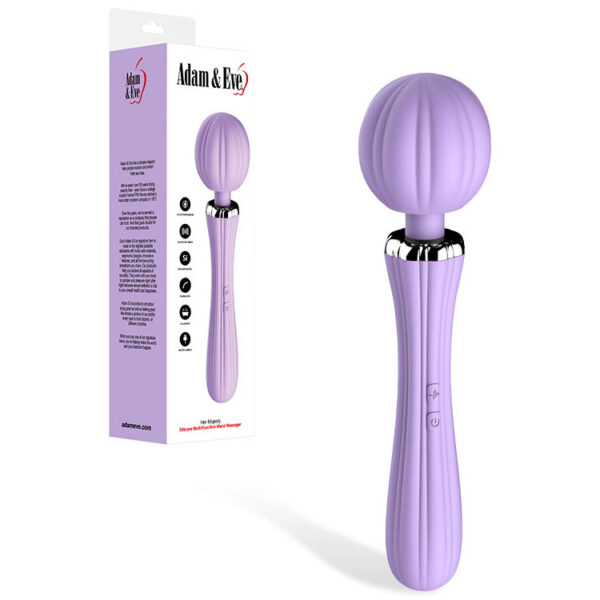
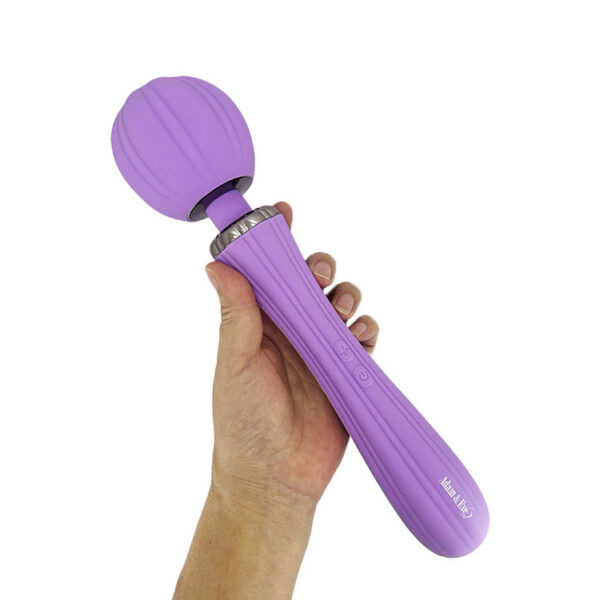
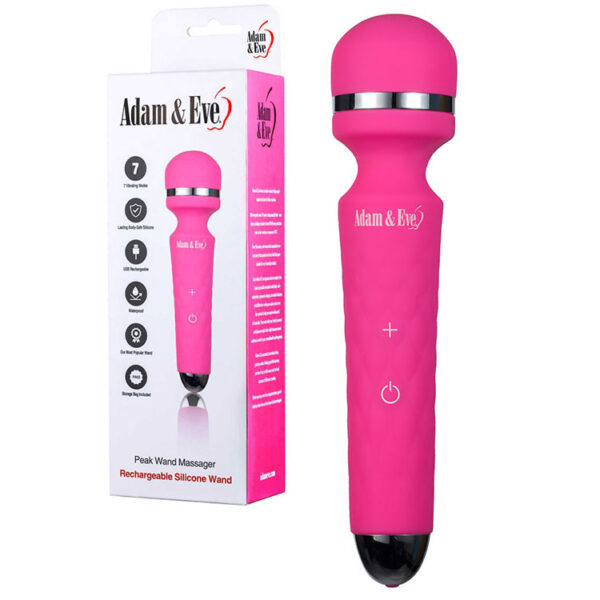
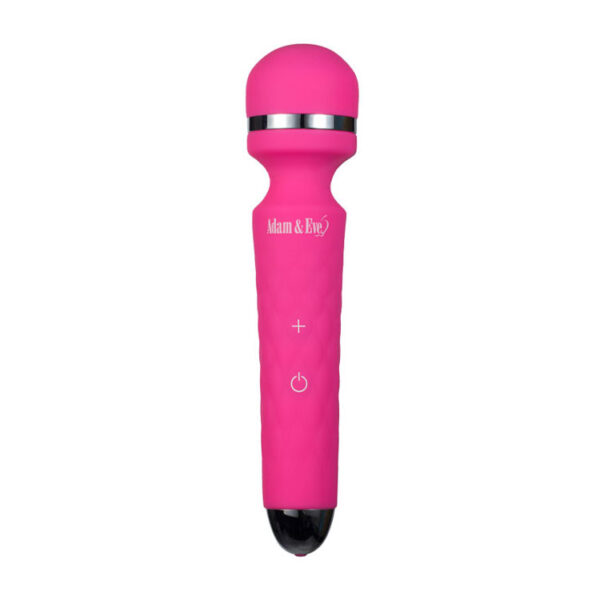
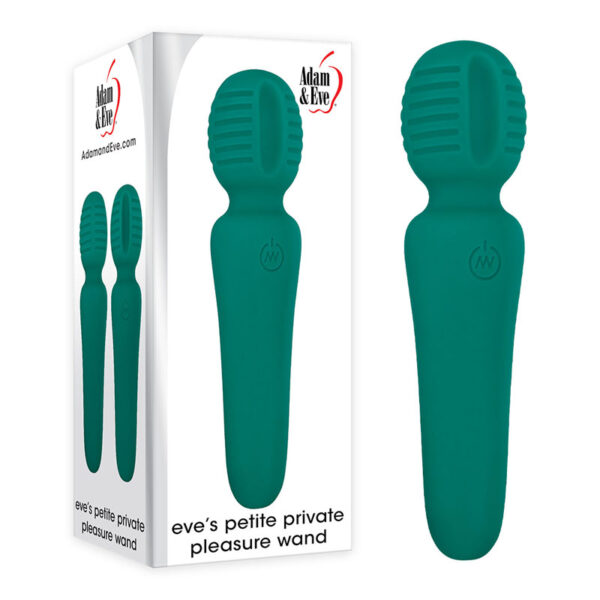
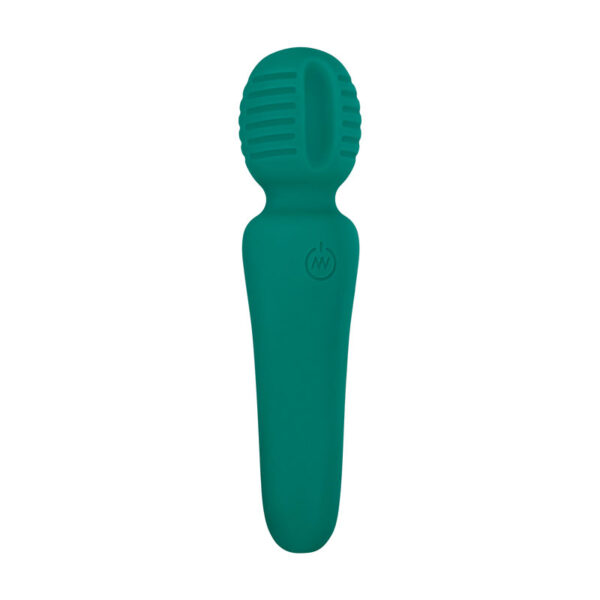
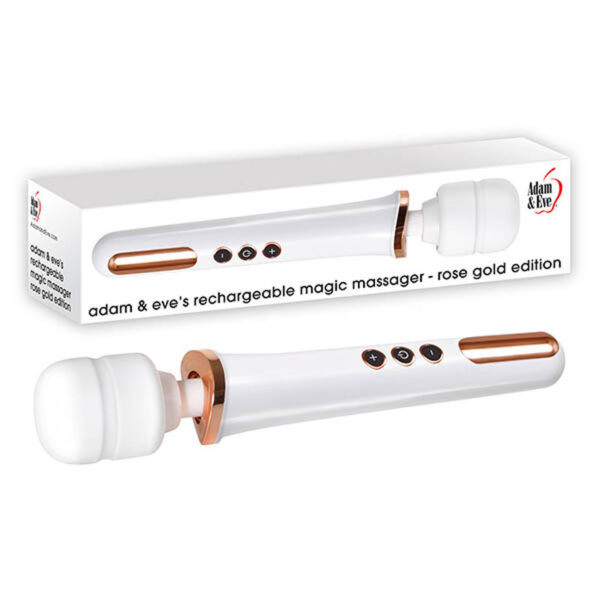
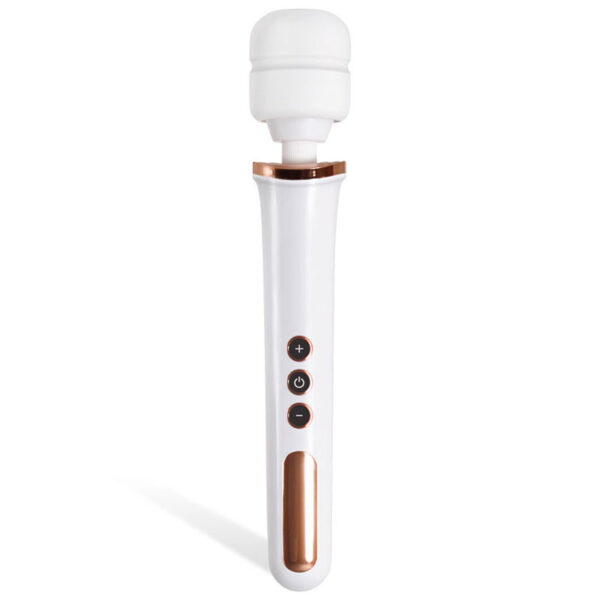
Wand massagers deliver a broader, deeper vibration that many people find pairs well with G-spot stimulation, especially used externally alongside internal pressure.
-9%
Original price was: $210.95.$191.95Current price is: $191.95.
-9% Hot
Original price was: $171.95.$155.95Current price is: $155.95.
-9% Hot
Original price was: $112.95.$102.95Current price is: $102.95.
-9%
Original price was: $162.95.$147.95Current price is: $147.95.
Key takeaways
- Squirted fluid is a mix — often including urine, but also frequently containing PSA, which only comes from the Skene’s glands.
- Sustained, firm G-spot pressure is the most reliable trigger reported across research and anecdotal accounts alike.
- Relaxing (not clenching) and removing the “need to pee” anxiety by emptying your bladder first both genuinely help.
- Roughly half of people with vulvas experience it — meaning half don’t, and that’s a normal anatomical variation, not a failure.
Authoritative sources and further reading
- PubMed: Enhanced visualization of female squirting — Peer-reviewed imaging research on the physiological mechanism.
- Clue: Female ejaculation and squirting — what’s the difference? — Clear breakdown of the distinction between the two related processes.
- Female ejaculation — overview and research summary — Background on Skene’s gland anatomy and PSA findings.
Related posts
Multiple orgasms: what’s actually happening in your body

The real, research-backed version of multiple orgasms — who experiences them, why, and how to explore without the pressure.
Squirting: the science, the myths, and what actually helps
What squirting actually is, why it isn't "just urine," and what tends to make it more likely — without the pressure to perform.
Anal beads vs. butt plugs: what’s the difference

Two different sensations, not interchangeable. Here's how to tell which one you actually want.
Lingerie fit guide: how to choose pieces that actually feel good
Fit and fabric matter more than the photo. Here's what to actually check before you buy.
Setting the mood: massage oils, candles and slowing down
Oils, candles and simply slowing down — small changes that make a bigger difference than another toy.
Wand massagers: why everyone’s obsessed
Why wand massagers have such a loyal following, and how to pick the right one for you.
Ben Wa balls & kegel weights: a beginner’s guide
Weighted balls explained — pleasure, pelvic floor training, or both — and how to start safely.
Cock rings explained: what they do and how to use one safely
What cock rings actually do, vibrating vs standard, and the one safety rule that matters most.
Onahole masturbators: what they are and how to choose one
What an onahole actually is, what makes one different from another, and how to look after it properly.

Prostate play: a beginner’s guide for men
A relaxed, judgment-free starting point for prostate play — what it is, why it feels different, and how to begin.

What does it mean to be GGG? Good, giving and game in bed
Dan Savage's shorthand for being a great partner, explained — and how it actually plays out night to night.
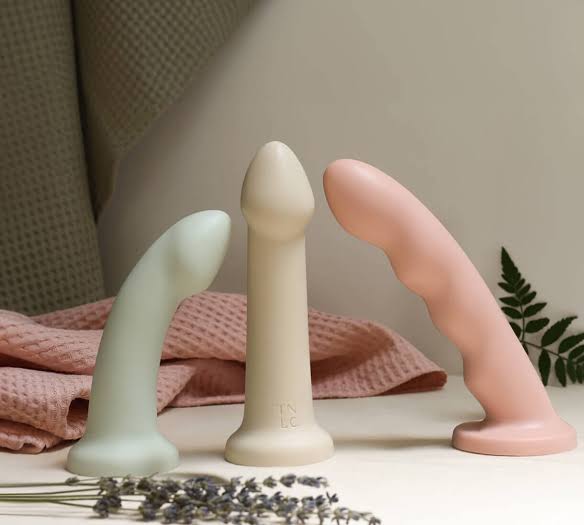
Dildos 101: material, size and shape explained
Material, shape and size explained simply, so you can actually choose with confidence instead of guessing.