Free discreet shipping on orders over $75

Multiple orgasms — more than one in a single session, without a long recovery gap in between — are a well-documented, real phenomenon, but they’re less universal and more mechanically specific than the myth suggests. People with vulvas are more likely to experience them because their refractory period (the body’s post-orgasm “reset”) is typically much shorter or absent entirely, while people with penises face a genuine physiological block: ejaculation triggers a prolactin surge that makes further arousal difficult regardless of desire. Multiple orgasms are possible for both, just through different mechanisms — and even among people capable of them, only an estimated 15% report experiencing them regularly.
Quick picks if you’re short on time:
- People with vulvas can often have multiple orgasms because their refractory period is short or nonexistent — but only around 15% report doing so regularly.
- People with penises face a real biological block (a post-orgasm prolactin spike) — but multiples are possible by separating orgasm from ejaculation.
- The key technique after a first orgasm is easing to lighter, indirect stimulation for 20-30 seconds rather than stopping completely.
- Oxytocin actually climbs with each successive orgasm in people who experience multiples, rather than plateauing.
Next step: if you want to try, don’t treat the first orgasm as an automatic stopping point — ease off to lighter touch for half a minute once oversensitivity passes, then build back up rather than starting from zero.
Table of Contents
- Why some bodies do it more easily than others
- The hormonal mechanism behind the refractory period
- Multiple orgasms by body type, at a glance
- The technique most people describe
- Can men actually have multiple orgasms?
- Why toys help more than hands, practically
- What it actually feels like, according to people who experience it
- The thing most people get wrong about multiple orgasms
- Toys built for sustained, uninterrupted stimulation
- Key takeaways
- Authoritative sources and further reading
Why some bodies do it more easily than others
The refractory period — the recovery window after orgasm — differs dramatically by body type. People with vulvas frequently have a very short or entirely absent refractory period, meaning renewed arousal and further orgasm are physically possible almost immediately, even if interest temporarily dips. People with penises experience a genuine, hormonally enforced block during which further arousal and erection are difficult regardless of mental interest. This is a real physiological difference, not simply a matter of stamina or effort.
The hormonal mechanism behind the refractory period
In men, a surge of prolactin immediately following ejaculation appears to actively suppress further arousal — creating a period of genuine disinterest and reduced sensitivity that isn’t easily overridden by willpower. Women experience a similar hormonal surge after orgasm, but their arousal system appears considerably less sensitive to its dampening effect, at least in the short term, which is the leading explanation for why multiple orgasms are more accessible for many vulva-owners. Interestingly, in people who do experience multiples, oxytocin levels actually climb with each successive orgasm rather than levelling off, which may partly explain why the second and third can feel different from the first.
Multiple orgasms by body type, at a glance
| Refractory period | Multiple orgasm mechanism | |
|---|---|---|
| Vulva-owners | Often short or absent | Direct — further stimulation can lead to another orgasm relatively soon after |
| Penis-owners | Minutes (younger) to hours (older), enforced by prolactin | Indirect — requires separating orgasm from ejaculation, more advanced technique |
The technique most people describe
Right after orgasm, direct stimulation can feel overwhelming or briefly unpleasant — that oversensitivity is normal and temporary. The technique most consistently described for reaching a second orgasm is easing off to much lighter, indirect stimulation for roughly 20 to 30 seconds rather than stopping entirely, then gradually building intensity back up once the initial oversensitivity has passed. Stopping completely and restarting from nothing tends to be less effective than maintaining light, continuous contact through the sensitive window.
Can men actually have multiple orgasms?
Yes, though the research base here is much thinner than for women, and the mechanism is different. The key distinction is separating orgasm from ejaculation — some men, with practice (often linked to pelvic floor awareness and control), can experience the orgasmic contractions without ejaculating every time, which removes the prolactin-driven refractory block that follows ejaculation specifically. This is a learned skill for most people who report success with it, not something that happens automatically, and it’s an area scientific research has only recently started taking seriously.
Why toys help more than hands, practically
Maintaining light, consistent stimulation through the oversensitive window immediately after orgasm is physically tiring and awkward to do by hand for an extended session — your hand gets tired, angle drifts, and attention wanders. A toy that holds a steady, adjustable intensity removes that problem entirely, which is less about needing more power and more about not accidentally breaking the rhythm during the critical few seconds after the first orgasm.
What it actually feels like, according to people who experience it
People who report multiple orgasms describe the sensations as often distinct from each other, not identical repeats. The first is sometimes described as sharper or more localised, while subsequent ones in the same session are often described as deeper, more diffuse, or building cumulatively — which lines up with the finding that oxytocin climbs rather than resets between them. It’s also common for the second or third orgasm in a sequence to arrive faster than the first did, since arousal doesn’t fully drop back to baseline in the gap between them the way it does after a longer break.
It’s worth saying plainly: this isn’t a universal description, and plenty of people who do experience multiples describe each one as basically the same sensation repeated. Bodies vary enough here that no single description covers everyone’s actual experience.
The thing most people get wrong about multiple orgasms
The most common mistake is treating a failure to have multiples as a personal shortfall rather than normal variation. Even among people biologically capable of them, only around 15% report experiencing them with any regularity — meaning the large majority of people, including plenty of people with vulvas, simply don’t, and that has nothing to do with technique, partner skill, or how “good” the sex was. Multiple orgasms are one possible experience among many, not a more advanced or superior version of a single orgasm.
Toys built for sustained, uninterrupted stimulation
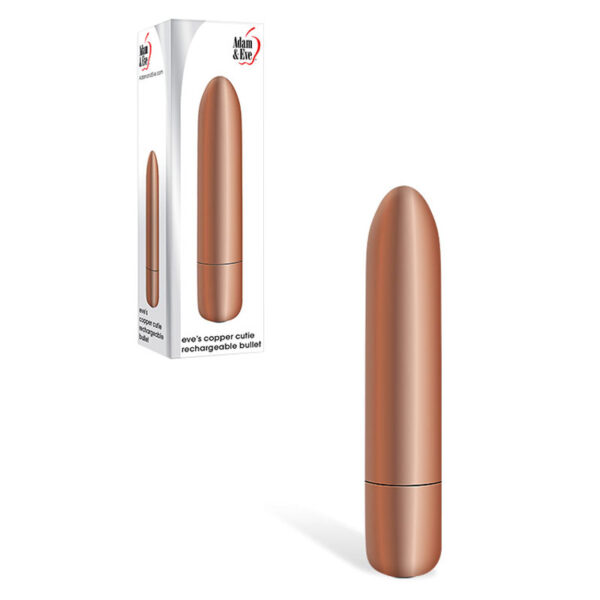
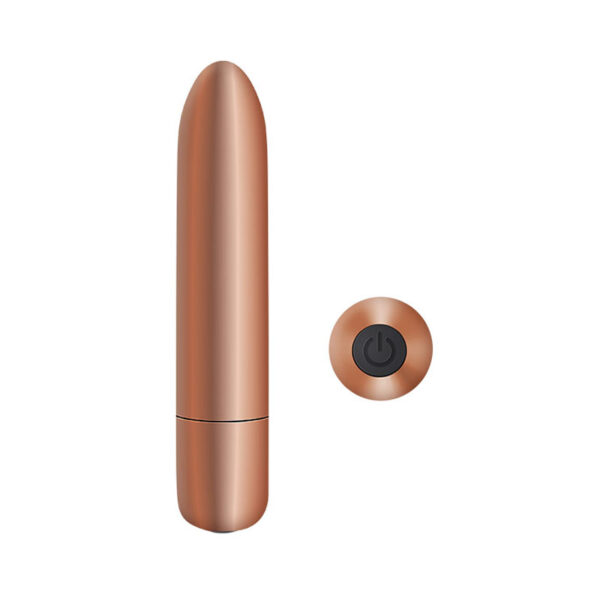
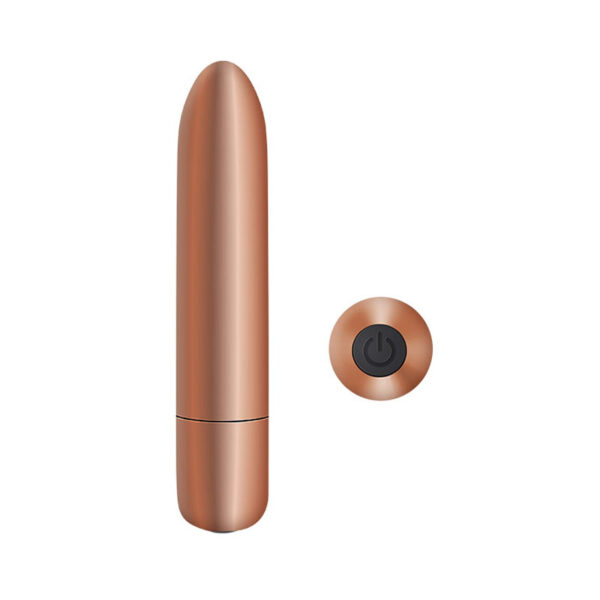
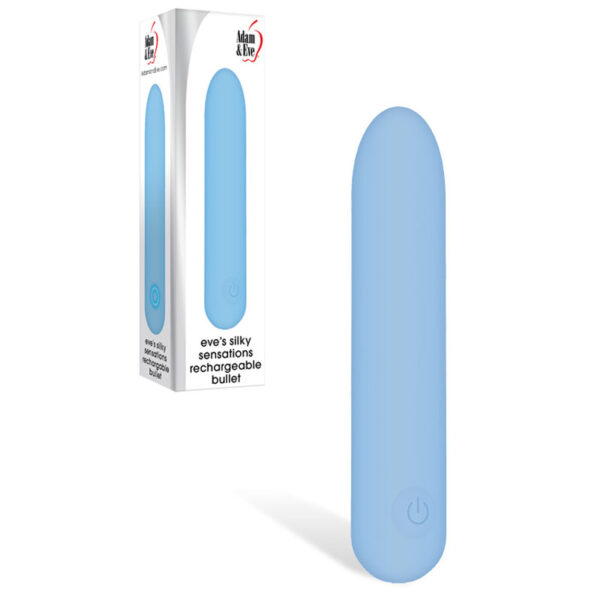
Bullet vibrators are useful here specifically because they’re easy to hold steady at a low, controllable intensity through the sensitive window right after a first orgasm.
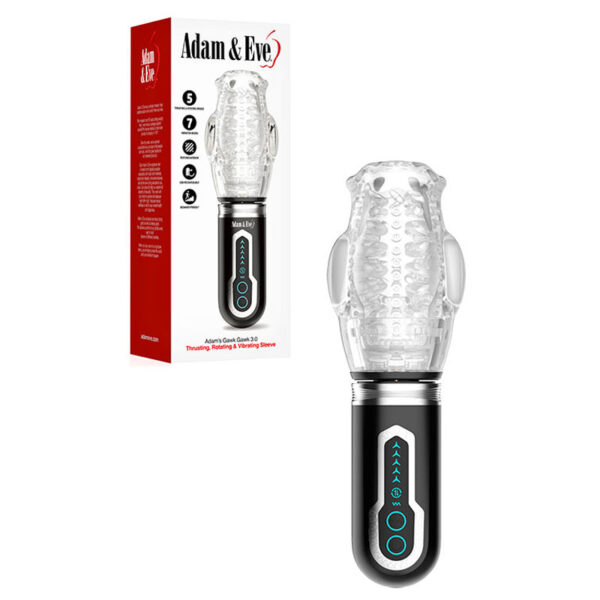
-9%
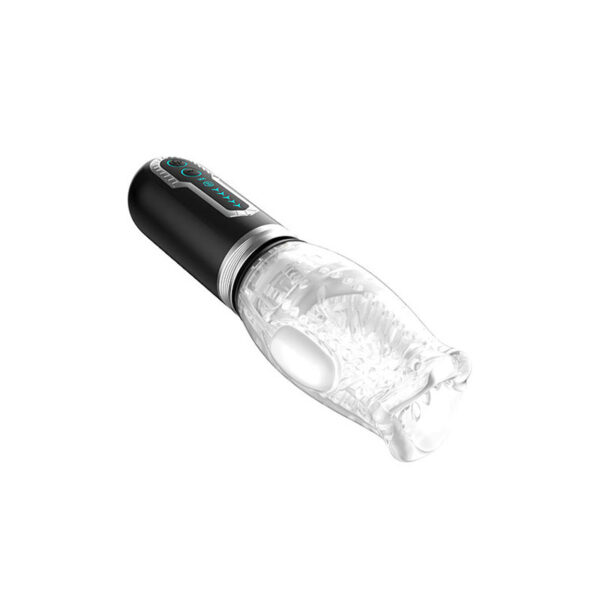
Adam & Eve Adam’s Gawk Gawk 3.0 – Clear USB Rechargeable Thrusting, Rotating & Vibrating Masturbator
Original price was: $196.95.$178.95Current price is: $178.95.
-9%
Original price was: $35.07.$31.88Current price is: $31.88.

-8%
Original price was: $36.95.$33.95Current price is: $33.95.
-9% Hot
Original price was: $67.95.$61.95Current price is: $61.95.
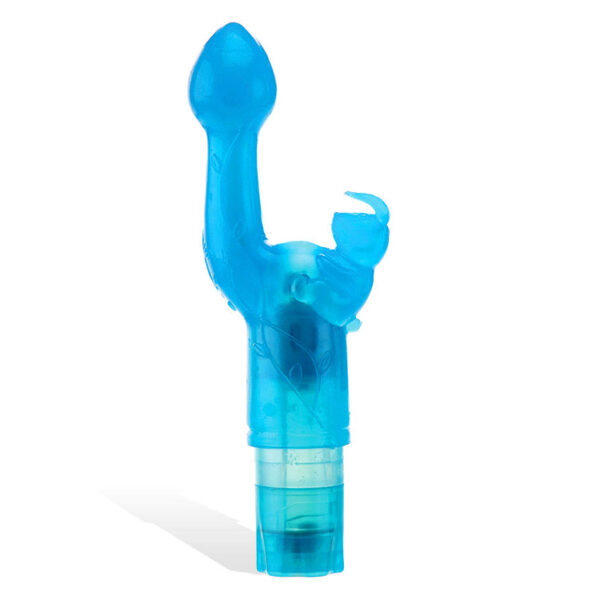
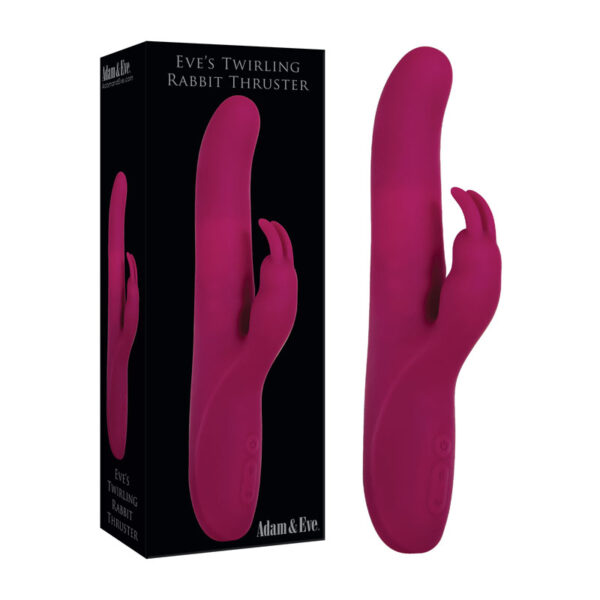
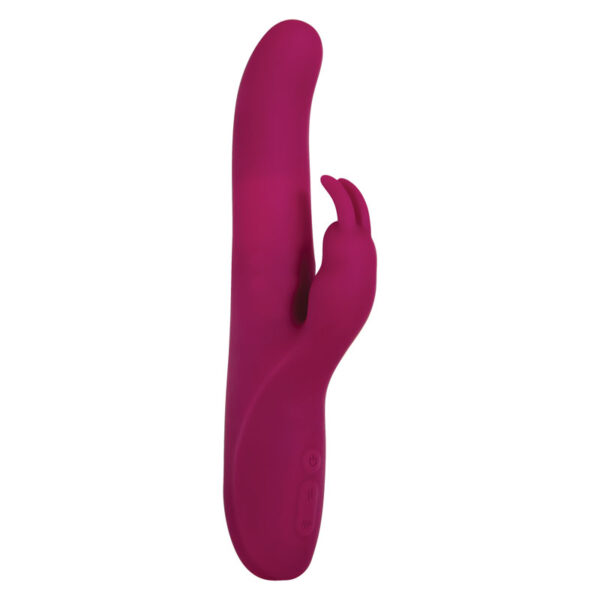
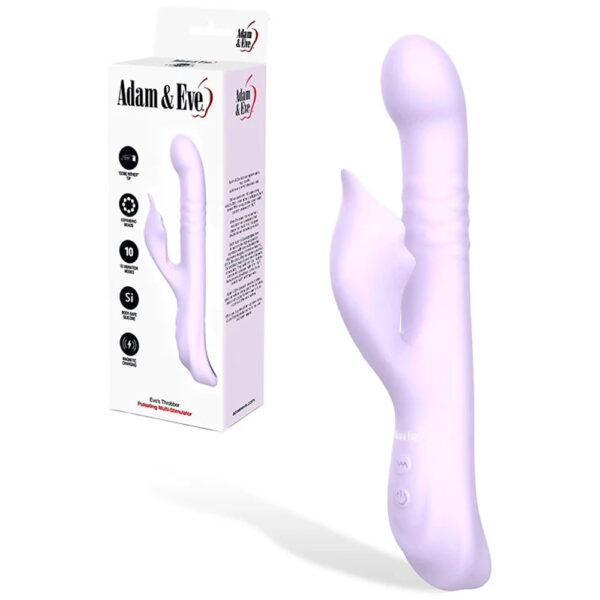
Rabbit vibrators combine internal and external stimulation, which some people find makes the transition into a second orgasm easier without needing to change position or toy.

-9% Hot
Original price was: $189.95.$172.95Current price is: $172.95.

-9% Hot

Original price was: $110.95.$100.95Current price is: $100.95.
-9%

Original price was: $210.95.$191.95Current price is: $191.95.
Key takeaways
- Multiple orgasms are real and documented, but genuinely more accessible for people with a short or absent refractory period.
- Only around 15% of people who are biologically capable report experiencing them regularly — most people don’t, and that’s normal.
- The technique that works for most people is easing to light stimulation for 20-30 seconds after the first orgasm, not stopping completely.
- For men, it requires separating orgasm from ejaculation — a learned skill, not an automatic ability.
Authoritative sources and further reading
- Refractory period (sex) — research overview — Summary of the physiological mechanisms and hormonal research behind the refractory period.
- PubMed: Multiple Orgasms in Men — What We Know So Far — Peer-reviewed review of the (limited) research on male multiple orgasms.
- Medical News Today: How many times can a woman orgasm in a row? — Consumer-facing summary of the research on frequency and prevalence.
Related posts
Vibration deep dive: why more speeds doesn’t mean a better toy

The spec sheet lies — "10 speeds, 20 patterns" tells you almost nothing about how a toy actually feels. Here's what to check instead.
Arousal non-concordance: why “turned on” and “physically ready” aren’t the same
Feeling desire and your body's physical arousal response don't always line up — and that mismatch is far more common than most people realise.
Sex after baby: what changes and how to ease back in
Physical recovery, exhaustion, body changes and desire that doesn't match what it used to — a realistic guide to easing back in.
How to talk about STIs and testing without killing the mood
A conversation most people dread, made simpler — practical scripts for bringing up testing and status with a new or existing partner.
Your cycle and arousal: how hormones change things month to month
Arousal isn't constant — here's how hormonal shifts across the menstrual cycle genuinely change desire, sensitivity and lubrication.
Choosing toys for different bodies and mobility considerations
Grip strength, reach, chronic pain, mobility limits — practical toy features that make a real difference for different bodies.
Understanding the refractory period — and how toys can help
Why men need a recovery window after orgasm, what actually shortens it, and how to keep intimacy going in the meantime.
How to actually use a penis pump safely
Pumps are simple in theory but easy to misuse. Here's the technique that actually works, and the mistakes that cause bruising.
A deeper guide to anal training: progressing safely over time
Past the beginner basics — how gradual anal training actually works, what "readiness" means, and common mistakes that cause setbacks.
Sensory deprivation play: blindfolds, earplugs and amplified senses
Remove one sense and the others sharpen dramatically — here's the science behind it and how to try it safely.
Kink vs fetish: what’s the actual difference
The two words get used interchangeably, but they don't mean quite the same thing — here's the distinction that actually matters.
Aftercare: not just for kink — why everyone benefits
Aftercare gets talked about mostly in BDSM circles, but the underlying idea helps almost any kind of sex feel better.