Free discreet shipping on orders over $75

Anal play has a reputation for being complicated or intimidating, but the essentials come down to a small number of genuinely important rules: go slowly, use plenty of lube, and start small. The one safety rule that matters more than any other is this — the anus produces no natural lubrication of its own, so lube isn’t optional the way it might be elsewhere; it’s the single biggest factor separating a comfortable first experience from an uncomfortable one.
Quick picks if you’re short on time:
- Lube is mandatory, not optional — the anus has zero natural lubrication, unlike other tissue.
- Start smaller than you think you need to — a finger or a small plug, not a “first toy” sized for confidence rather than comfort.
- Relaxation matters more than any technique — the sphincter tightens reflexively under stress, which is the main cause of discomfort.
- Anything used anally should never go directly into the vagina afterward without cleaning first, due to bacteria transfer risk.
Next step: if this is genuinely your first time, start with warm-up and external touch only, with no penetration goal for the first session — building comfort with the area itself matters before anything else.
Table of Contents
- Why lube is non-negotiable here specifically
- Starting small actually matters
- Relaxation, not technique, is the real skill
- Anal play essentials, at a glance
- The one hygiene rule that matters most
- Solo first, or straight into partnered play?
- The thing most people get wrong about anal play
- Gentle starting toys
- Key takeaways
- Authoritative sources and further reading
Why lube is non-negotiable here specifically
Unlike vaginal tissue, the anus produces no natural lubrication at all, regardless of how aroused you are. That means generous, repeated application of lube isn’t a nice-to-have — it’s the single biggest factor determining whether anal play feels comfortable or painful. Silicone-based lube tends to last longer for anal use specifically, since it doesn’t absorb into tissue the way water-based formulas can over a longer session, though it’s not compatible with silicone toys.
Starting small actually matters
Starting with something genuinely small — a finger, or the smallest plug in a set — matters more than most people expect. There’s a common instinct to buy a “confidence-sized” toy for a first attempt, but comfort, not size, should drive the decision entirely for anyone new to anal play. Sizing up is easy once you’re genuinely comfortable; sizing down after a painful first experience often means dealing with anxiety around trying again at all.
Relaxation, not technique, is the real skill
The anal sphincter is a muscle, and muscles under stress tighten reflexively — an involuntary response, not something you can simply decide not to do. Slow breathing, plenty of unhurried time, and not attempting anal play when already stressed all make a genuine, measurable difference to comfort. This is exactly why rushing is the most common cause of a bad first experience, far more than toy size or technique.
Anal play essentials, at a glance
| Essential | Why it matters |
|---|---|
| Plenty of lube | Zero natural lubrication in this area, unlike other tissue |
| Start small | Comfort, not confidence, should drive the first size choice |
| Go slowly | Relaxation determines comfort more than any technique |
| Never go anal-to-vaginal without cleaning | Prevents bacterial transfer and infection risk |
The one hygiene rule that matters most
Never move a toy (or fingers) from anal to vaginal contact without thoroughly cleaning in between — this is genuinely the single most important safety rule in anal play, since it prevents bacteria from the anus reaching vaginal tissue, where it can cause infection. If you’re using the same toy for both in one session, either use a condom on the toy (changing it between uses) or plan to wash thoroughly between switching.
Solo first, or straight into partnered play?
Starting solo, without the pressure of performing for a partner, tends to make the first experience noticeably more comfortable — performance anxiety works directly against the relaxation that makes anal play comfortable in the first place. It also gives you concrete language to describe what does and doesn’t feel good once you do introduce it with a partner, rather than trying to figure both things out at once.
The thing most people get wrong about anal play
The most common mistake is treating a single uncomfortable first attempt as proof that anal play “isn’t for you,” when the actual cause is almost always rushing, insufficient lube, or tension rather than a fundamental mismatch. Most people who report genuinely enjoying anal play describe a first attempt that was tentative or so-so, followed by real enjoyment once they slowed down and built comfort gradually — the first try rarely represents what it can actually feel like.
Gentle starting toys
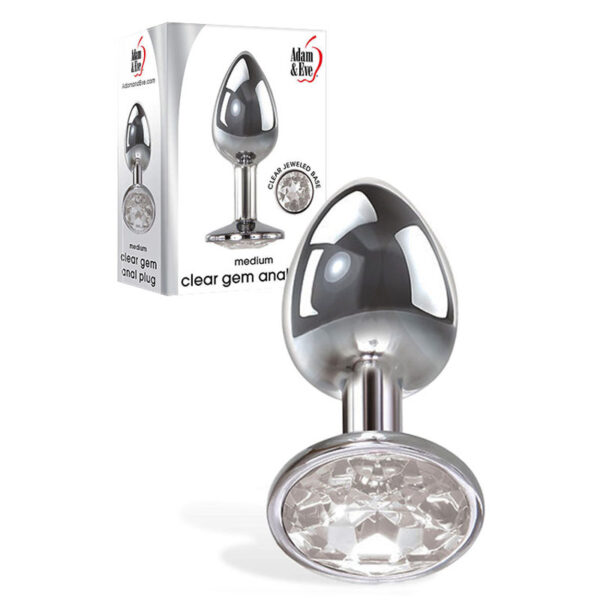
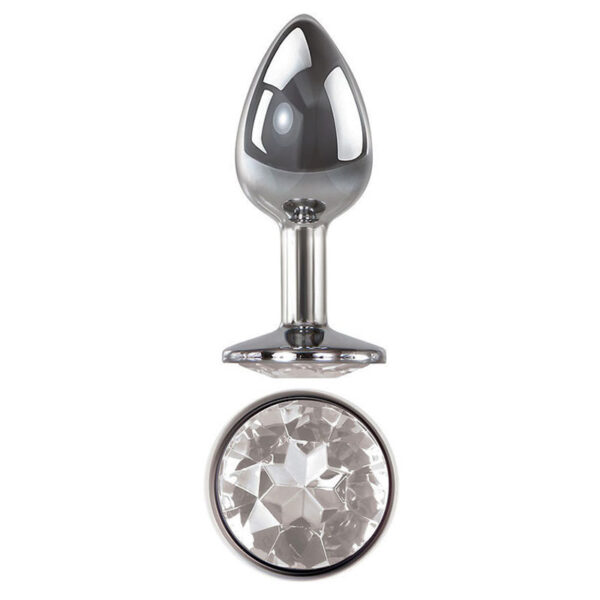
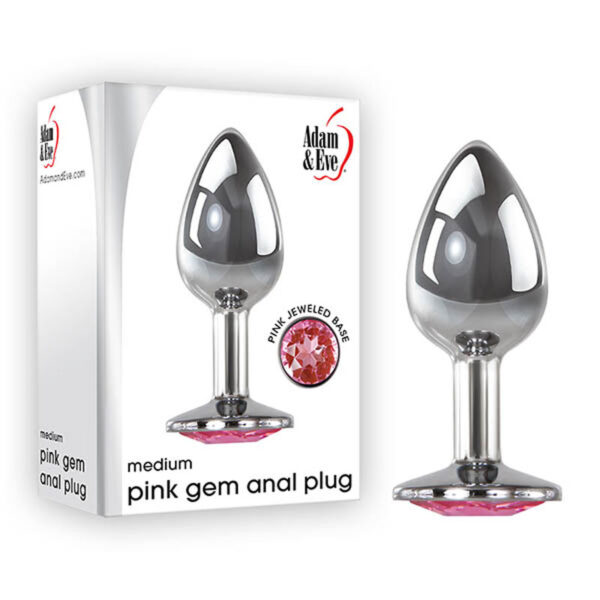
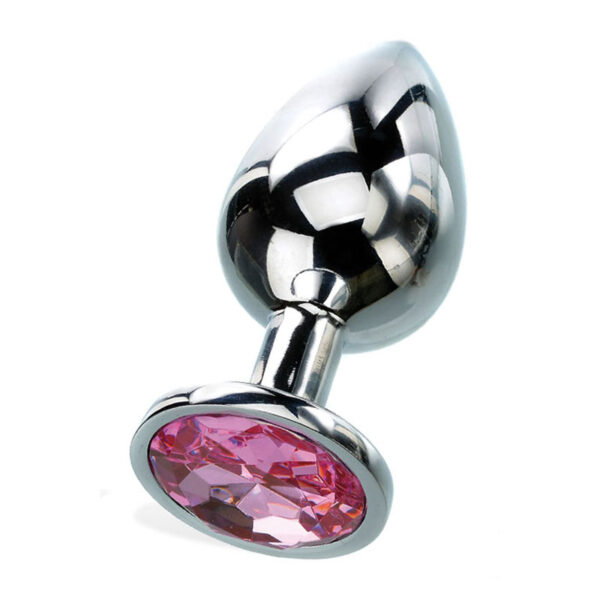
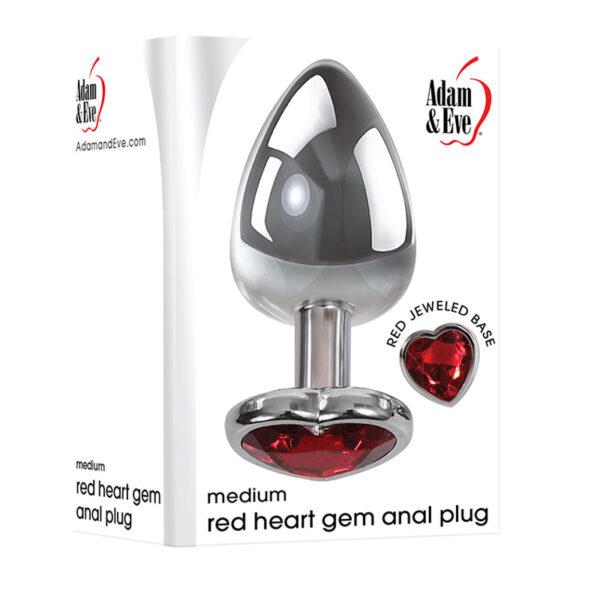
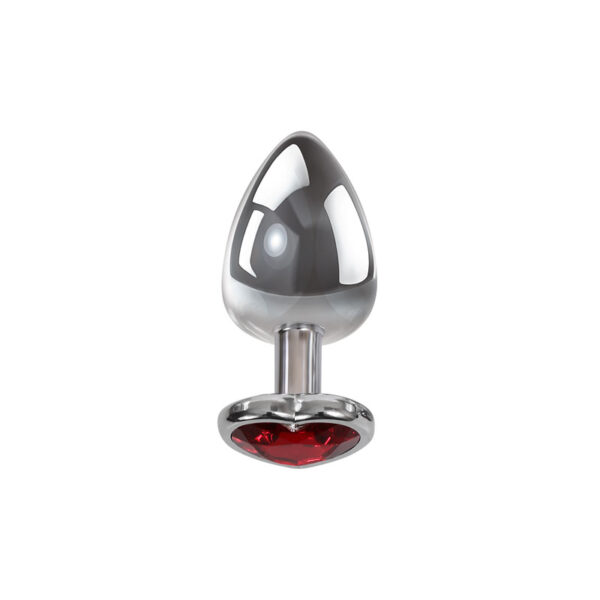
Small butt plugs are a genuinely good, low-pressure starting point.
-9% New
Original price was: $34.95.$31.95Current price is: $31.95.
-9% New
Original price was: $34.95.$31.95Current price is: $31.95.
-9% New
Original price was: $34.95.$31.95Current price is: $31.95.
-9% New
Original price was: $34.95.$31.95Current price is: $31.95.
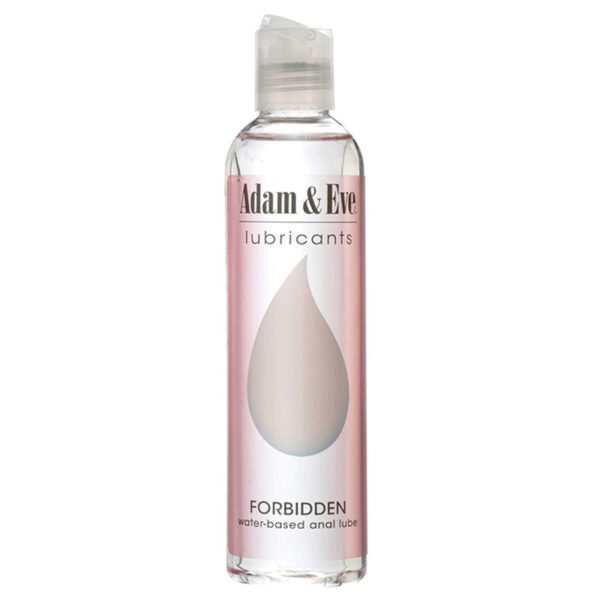
A dedicated anal lube, since standard lube can be thinner than what this specific use benefits from.
-9%
Original price was: $265.95.$241.95Current price is: $241.95.
-9%
Original price was: $42.95.$38.95Current price is: $38.95.
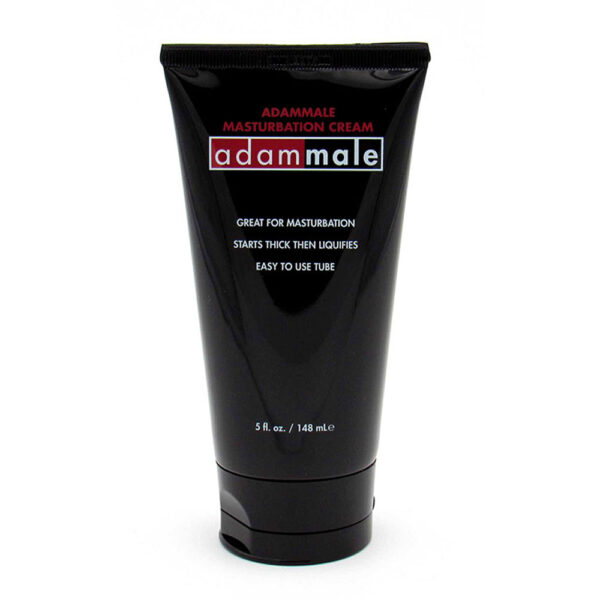
-9%
Original price was: $56.95.$51.95Current price is: $51.95.
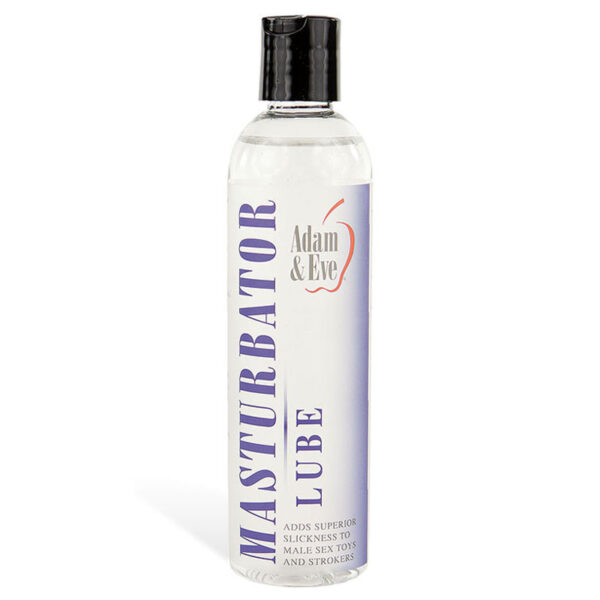
-9% New
Original price was: $34.95.$31.95Current price is: $31.95.
Key takeaways
- Lube is mandatory, not optional — there’s zero natural lubrication in this area regardless of arousal.
- Start smaller than feels like “enough,” and prioritise comfort over confidence in your first size choice.
- Relaxation determines comfort more than any technique — rushing is the most common cause of discomfort.
- Never move anal to vaginal contact without cleaning first — this is the single most important hygiene rule.
For sizing progression once you’re comfortable with the basics, our deeper anal training guide covers how to move up in size safely, and our anal beads vs. butt plugs guide helps you choose a starting shape.
Authoritative sources and further reading
- Hello Cake: Beginner’s Guide to Butt Plugs — Types, sizing, and safety basics for anal play.
Related posts
Edging: what it is and why people do it on purpose

Bringing yourself (or a partner) right to the edge and backing off, deliberately — how it works and why people swear by it.
Multiple orgasms: what’s actually happening in your body
The real, research-backed version of multiple orgasms — who experiences them, why, and how to explore without the pressure.
Squirting: the science, the myths, and what actually helps
What squirting actually is, why it isn't "just urine," and what tends to make it more likely — without the pressure to perform.
Anal beads vs. butt plugs: what’s the difference

Two different sensations, not interchangeable. Here's how to tell which one you actually want.
Lingerie fit guide: how to choose pieces that actually feel good
Fit and fabric matter more than the photo. Here's what to actually check before you buy.
Setting the mood: massage oils, candles and slowing down
Oils, candles and simply slowing down — small changes that make a bigger difference than another toy.
Wand massagers: why everyone’s obsessed
Why wand massagers have such a loyal following, and how to pick the right one for you.
Ben Wa balls & kegel weights: a beginner’s guide
Weighted balls explained — pleasure, pelvic floor training, or both — and how to start safely.
Cock rings explained: what they do and how to use one safely
What cock rings actually do, vibrating vs standard, and the one safety rule that matters most.
Onahole masturbators: what they are and how to choose one
What an onahole actually is, what makes one different from another, and how to look after it properly.

Prostate play: a beginner’s guide for men
A relaxed, judgment-free starting point for prostate play — what it is, why it feels different, and how to begin.

What does it mean to be GGG? Good, giving and game in bed
Dan Savage's shorthand for being a great partner, explained — and how it actually plays out night to night.