Free discreet shipping on orders over $75

Little leaks when you laugh, sneeze or jump are incredibly common — and, importantly, they’re not something you simply have to accept. The pelvic floor is a muscle group, and like any muscle, it responds to training.
What the pelvic floor does
This hammock of muscles supports your bladder, bowel and uterus, and plays a role in continence and sensation. Pregnancy, birth, menopause and simply ageing can all weaken it — which is why symptoms often appear at those life stages.
Finding the right muscles
The classic cue is to imagine stopping the flow of urine midstream (as a one-off test, not a habit) — that squeeze-and-lift is your pelvic floor. Just as important is fully relaxing afterwards; a good contraction is only half the exercise.
Where a trainer helps
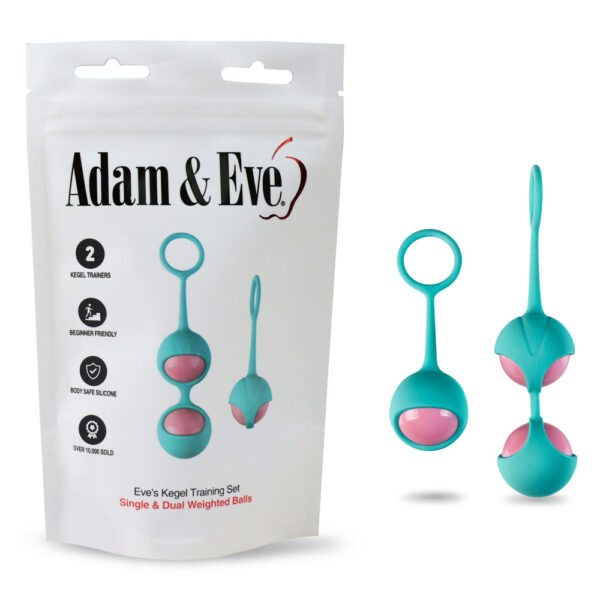
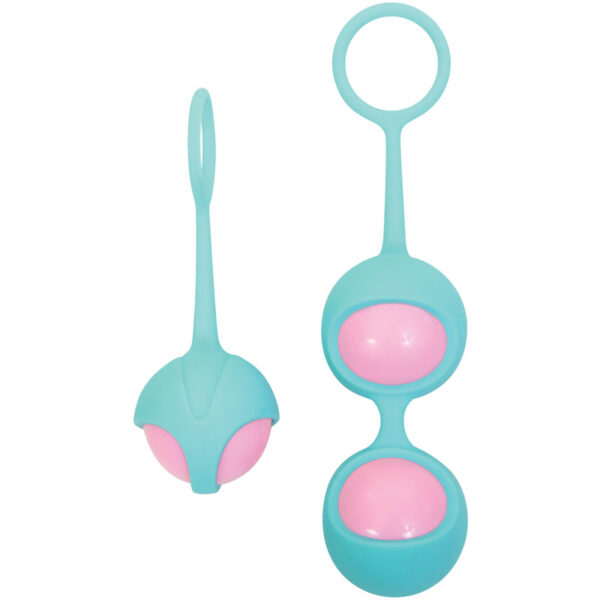
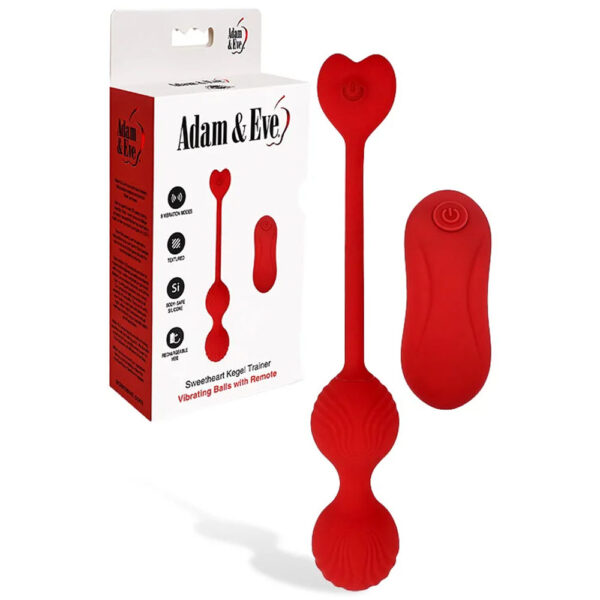
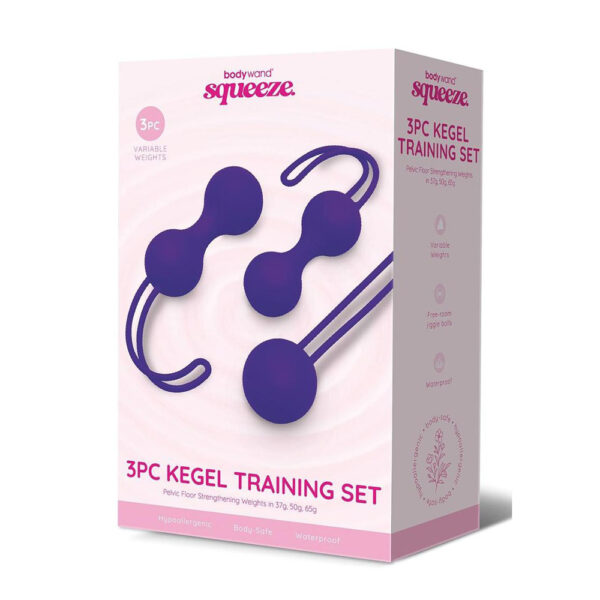
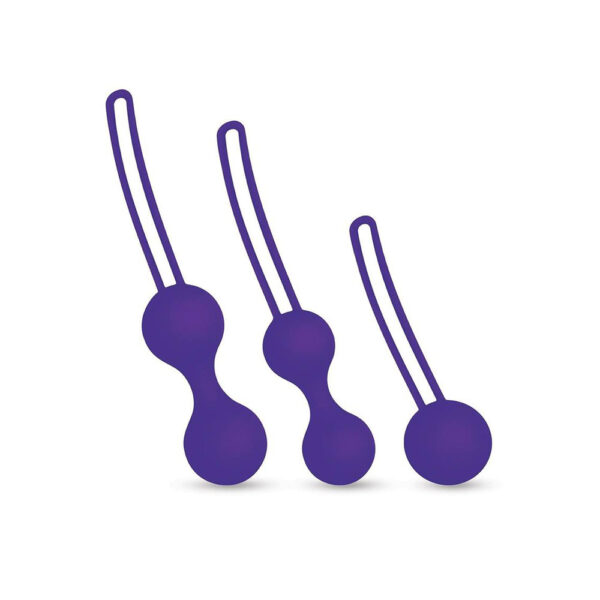
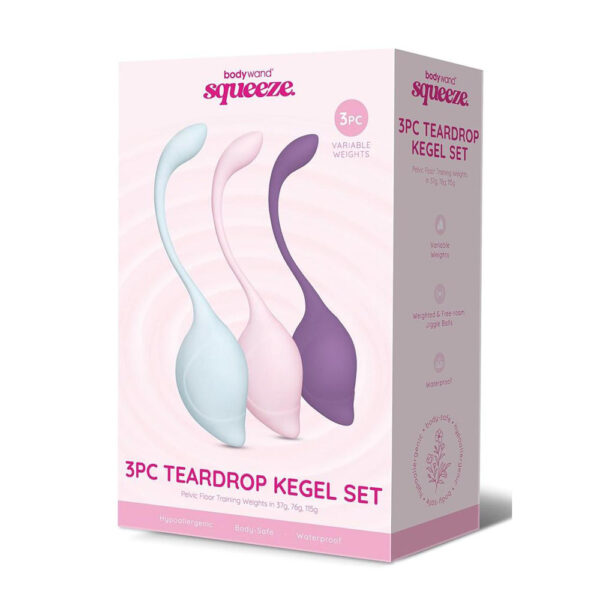
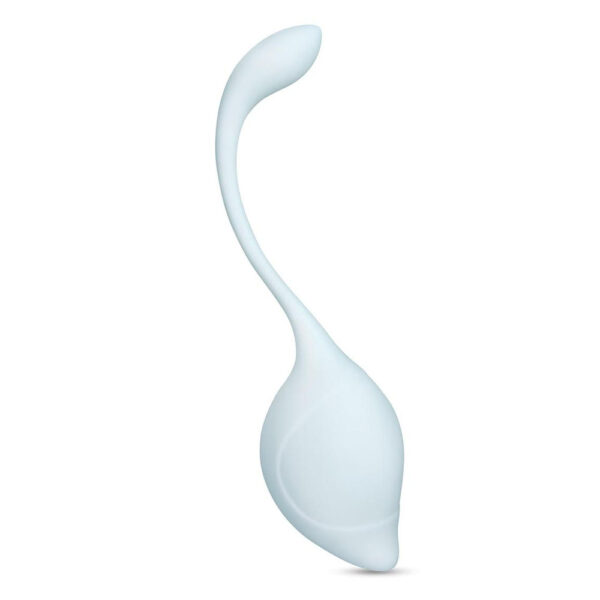
Many people unknowingly do the exercises incorrectly. A weighted or biofeedback trainer guides your technique and adds gentle resistance, so you know you’re actually strengthening the right muscles over time.
-8% Hot
Original price was: $48.95.$44.95Current price is: $44.95.
-9%
Original price was: $142.95.$129.95Current price is: $129.95.
-9% Hot
Original price was: $88.95.$80.95Current price is: $80.95.
-9% Hot
Original price was: $112.95.$102.95Current price is: $102.95.
When to see a professional
If you have pain, significant leaking, or a feeling of heaviness, see your GP or a pelvic-health physiotherapist — these are treatable, and expert guidance is worth it. Think of at-home training as complementary to that care, not a replacement for it.
This article is general information, not medical advice.
Related posts
Edging: what it is and why people do it on purpose

Bringing yourself (or a partner) right to the edge and backing off, deliberately — how it works and why people swear by it.
Multiple orgasms: what’s actually happening in your body
The real, research-backed version of multiple orgasms — who experiences them, why, and how to explore without the pressure.
Squirting: the science, the myths, and what actually helps
What squirting actually is, why it isn't "just urine," and what tends to make it more likely — without the pressure to perform.
Anal beads vs. butt plugs: what’s the difference

Two different sensations, not interchangeable. Here's how to tell which one you actually want.
Lingerie fit guide: how to choose pieces that actually feel good
Fit and fabric matter more than the photo. Here's what to actually check before you buy.
Setting the mood: massage oils, candles and slowing down
Oils, candles and simply slowing down — small changes that make a bigger difference than another toy.
Wand massagers: why everyone’s obsessed
Why wand massagers have such a loyal following, and how to pick the right one for you.
Ben Wa balls & kegel weights: a beginner’s guide
Weighted balls explained — pleasure, pelvic floor training, or both — and how to start safely.
Cock rings explained: what they do and how to use one safely
What cock rings actually do, vibrating vs standard, and the one safety rule that matters most.
Onahole masturbators: what they are and how to choose one
What an onahole actually is, what makes one different from another, and how to look after it properly.

Prostate play: a beginner’s guide for men
A relaxed, judgment-free starting point for prostate play — what it is, why it feels different, and how to begin.

What does it mean to be GGG? Good, giving and game in bed
Dan Savage's shorthand for being a great partner, explained — and how it actually plays out night to night.