Free discreet shipping on orders over $75

If your interest in sex seems to fluctuate noticeably through the month, that’s not inconsistency — it’s largely hormonal, and reasonably well understood.
The general pattern
Oestrogen rises through the first half of the cycle, typically peaking around ovulation — this is when many people report the strongest spontaneous desire, increased natural lubrication, and heightened sensitivity. After ovulation, as progesterone rises and oestrogen drops, desire often (though not always) eases off somewhat for many people, alongside PMS-related discomfort for some.
It’s a pattern, not a rule
This general shape doesn’t hold for everyone — hormonal contraception changes or flattens it, individual variation is significant, and factors like stress, sleep and relationship dynamics can easily override the hormonal baseline. Tracking your own pattern over a couple of cycles (a simple notes app is enough) tells you far more about your own body than a general chart.
What helps around lower-desire points in the cycle
Extra lubrication is genuinely useful around lower-oestrogen points in the cycle, since natural lubrication tends to decrease. Slower warm-up and more externally-focused stimulation (rather than expecting the same response as mid-cycle) also helps rather than treating every session the same.
A reliable water-based lube for any point in the cycle
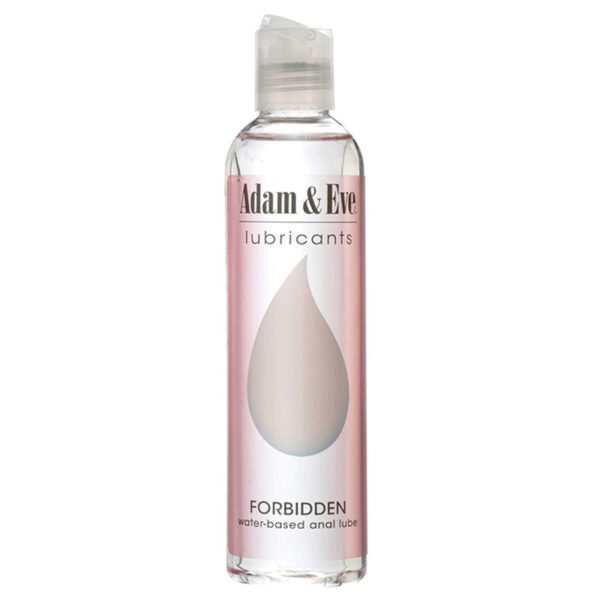
-9%
Original price was: $42.95.$38.95Current price is: $38.95.
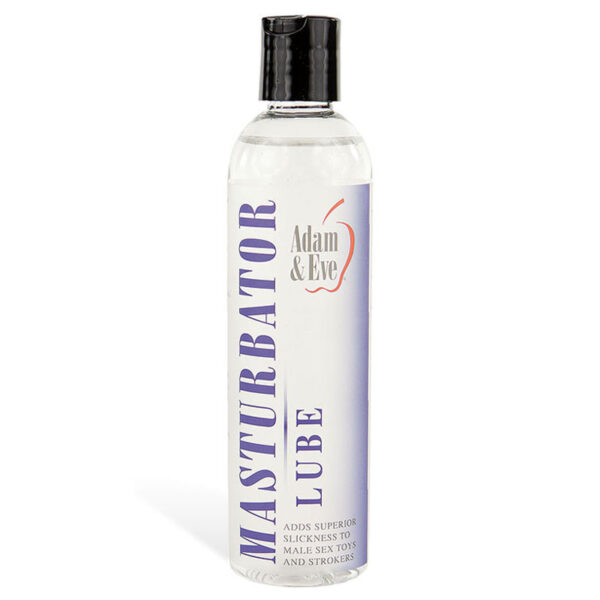
-9%
Original price was: $34.95.$31.95Current price is: $31.95.
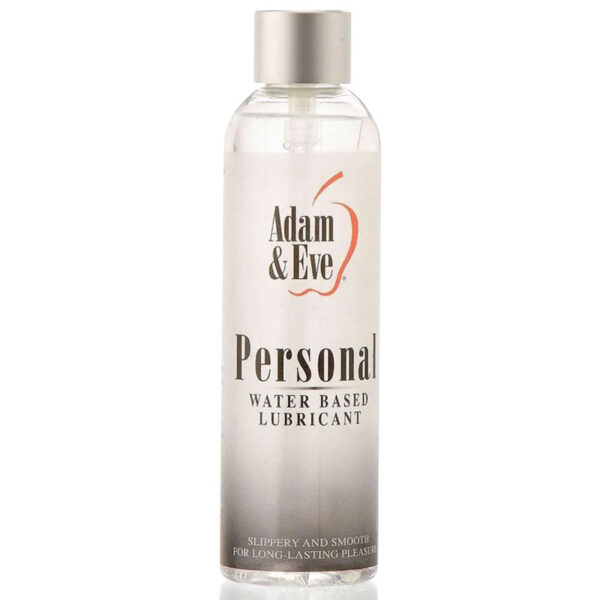
-8%
Original price was: $36.95.$33.95Current price is: $33.95.
-9%
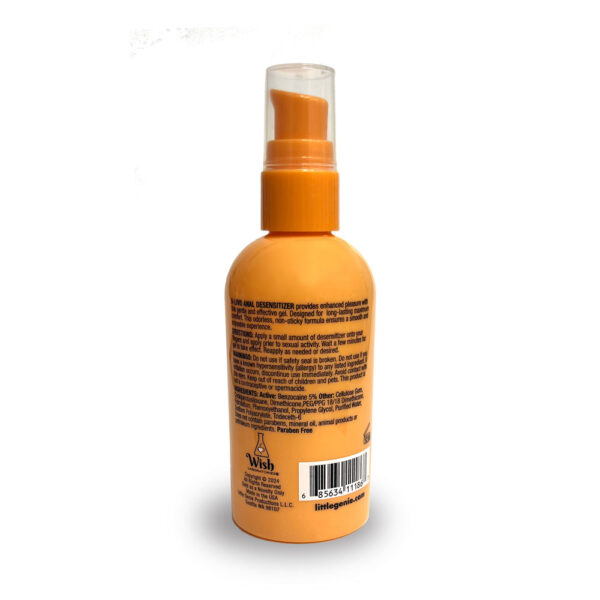
Original price was: $44.95.$40.95Current price is: $40.95.
External vibrators for lower-arousal days
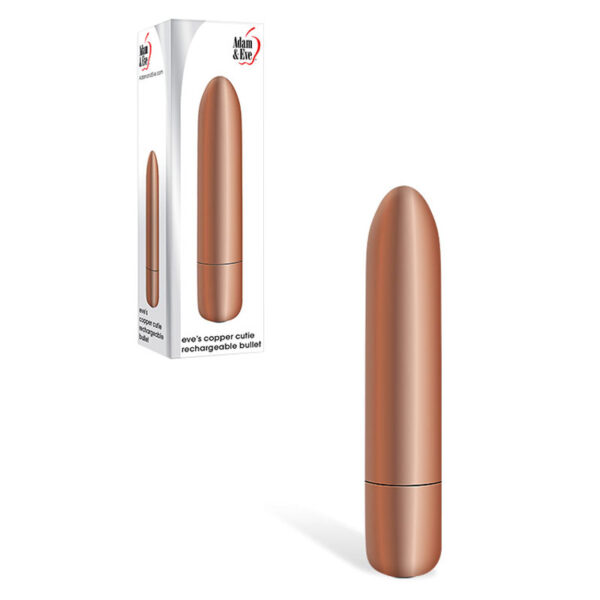
-9%
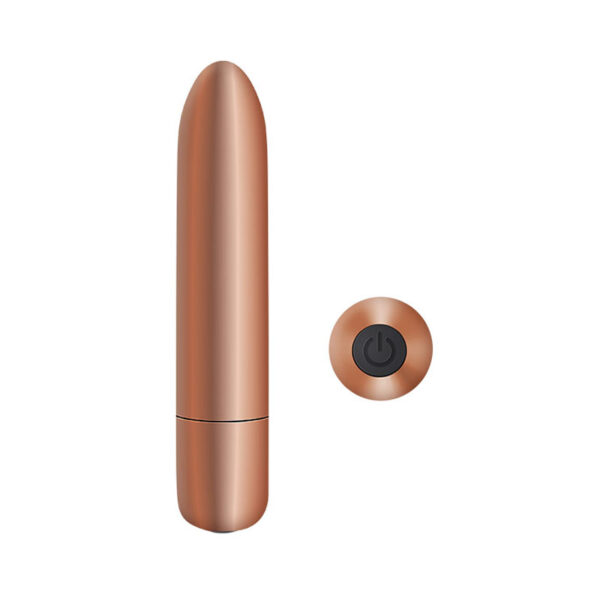
Original price was: $35.07.$31.88Current price is: $31.88.

-8%
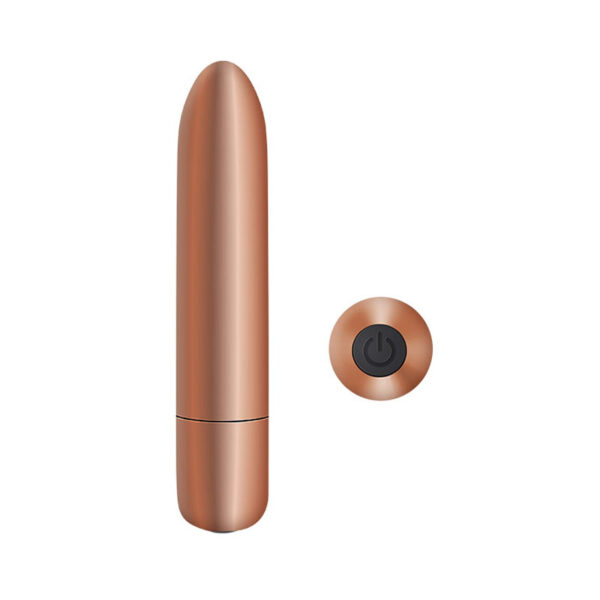
Original price was: $36.95.$33.95Current price is: $33.95.
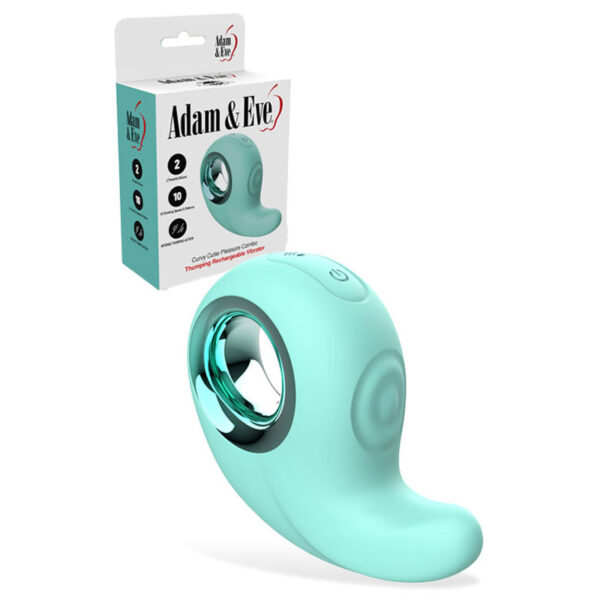
-9%
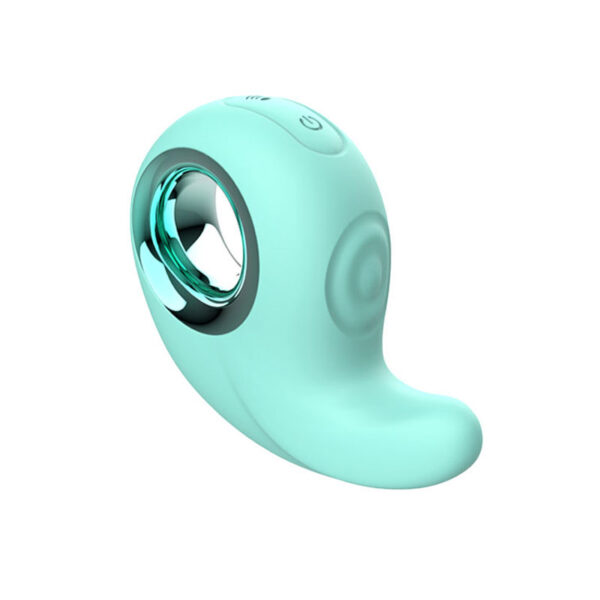
Original price was: $141.95.$128.95Current price is: $128.95.
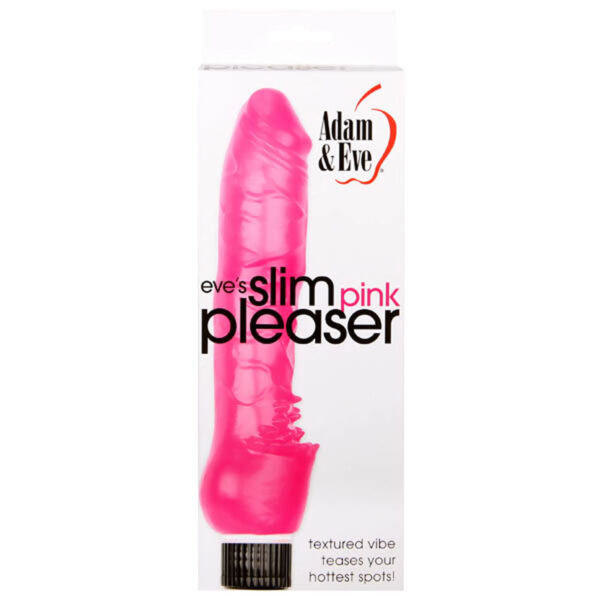

For the pelvic floor side of things — which also shifts across your cycle and life stages — see our pelvic floor 101 guide.
Related posts
Your cycle and arousal: how hormones change things month to month

Arousal isn't constant — here's how hormonal shifts across the menstrual cycle genuinely change desire, sensitivity and lubrication.
Choosing toys for different bodies and mobility considerations
Grip strength, reach, chronic pain, mobility limits — practical toy features that make a real difference for different bodies.
Understanding the refractory period — and how toys can help
Why men need a recovery window after orgasm, what actually shortens it, and how to keep intimacy going in the meantime.
How to actually use a penis pump safely
Pumps are simple in theory but easy to misuse. Here's the technique that actually works, and the mistakes that cause bruising.
A deeper guide to anal training: progressing safely over time
Past the beginner basics — how gradual anal training actually works, what "readiness" means, and common mistakes that cause setbacks.
Sensory deprivation play: blindfolds, earplugs and amplified senses
Remove one sense and the others sharpen dramatically — here's the science behind it and how to try it safely.
Kink vs fetish: what’s the actual difference
The two words get used interchangeably, but they don't mean quite the same thing — here's the distinction that actually matters.
Aftercare: not just for kink — why everyone benefits
Aftercare gets talked about mostly in BDSM circles, but the underlying idea helps almost any kind of sex feel better.
Ethical non-monogamy: what ENM actually means
Open relationships, polyamory, swinging — the terms explained plainly, and what makes any of it "ethical" in the first place.
Roleplay 101: how to start without it feeling awkward
Roleplay looks intimidating from the outside. Here's how to ease into it without props, scripts, or pressure to be a great actor.
Threesomes and group play: communication, boundaries and logistics
The unglamorous but essential part of adding a third person — how to talk about it, set boundaries, and actually plan for it.
Edging: what it is and why people do it on purpose
Bringing yourself (or a partner) right to the edge and backing off, deliberately — how it works and why people swear by it.