Free discreet shipping on orders over $75

Penis pumps have a reputation for being either intimidating or misunderstood, but used correctly they’re a straightforward way to temporarily increase blood flow and firmness — many people incorporate them into regular play rather than treating them as a one-off novelty. A pump creates a vacuum seal that draws blood into the tissue, producing temporary engorgement and firmness that fades once the seal is released, similar in concept to how a tourniquet effect resolves once pressure is removed.
Quick picks if you’re short on time:
- Go gradually — a few pumps, pause, check how it feels, then continue, rather than pumping to maximum pressure immediately.
- Cap any single session at around 15-20 minutes, and release the pressure valve immediately if you notice pain, numbness, or discolouration.
- A cock ring afterward can help maintain the effect once you release the pump’s vacuum.
- If erectile difficulty is a persistent, ongoing issue, a pump isn’t a substitute for discussing it with a GP.
Next step: before your first session, read your specific pump’s instructions for its pressure-release valve — knowing exactly how to release pressure quickly matters more than anything else about using one safely.
Table of Contents
- How pumps actually work
- The technique that avoids bruising
- Pump session basics, at a glance
- Who should be cautious using a pump
- Pumps vs medical treatment for erectile difficulty
- Combining a pump with a cock ring
- The thing most people get wrong about pumps
- Choosing a pump
- Key takeaways
- Authoritative sources and further reading
How pumps actually work
A pump creates a vacuum seal around the penis, drawing blood into the tissue and producing temporary engorgement and firmness, sometimes beyond what’s achieved through arousal alone. The effect is genuinely temporary — once the seal is released, size and firmness gradually return to baseline, similar to how circulation normalises after any localised pressure is removed. It’s a mechanical effect on blood flow, not a lasting change to the tissue itself.
The technique that avoids bruising
The most common mistake is pumping too aggressively or leaving the vacuum on for too long in one continuous session. Go gradually: a few pumps, a pause to check how it feels, then continue, rather than pumping straight to maximum pressure. This gives you a chance to notice discomfort early, before it becomes bruising or tissue damage, and it’s a far more comfortable experience overall than a single aggressive pumping session.
Pump session basics, at a glance
| Guideline | Why it matters |
|---|---|
| Pump gradually, with pauses | Lets you catch discomfort early, before it becomes bruising |
| Cap sessions around 15-20 minutes | Extended vacuum time increases risk of tissue damage |
| Release immediately if numb or discoloured | These are early warning signs, not something to push through |
| Know your release valve before starting | Fast release matters more than any other safety factor |
Who should be cautious using a pump
If you’re on blood thinners, have a bleeding disorder, or have any circulatory condition, check with a doctor before using a pump — the mechanism specifically affects blood flow and pooling, which interacts directly with those conditions. This isn’t a reason to avoid pumps altogether for most people, but it’s a genuine medical consideration worth a quick conversation rather than assuming it’s universally safe.
Pumps vs medical treatment for erectile difficulty
A pump isn’t a substitute for medical treatment if erectile difficulty is a persistent, ongoing issue rather than an occasional one — that’s genuinely worth discussing with a GP, since underlying causes range widely (circulatory, hormonal, psychological, medication side effects) and a pump only addresses the mechanical symptom in the moment, not any underlying cause. That said, pumps are sometimes used therapeutically alongside medical treatment, specifically because they can help maintain tissue elasticity and blood flow over time — worth asking a doctor about if this is a persistent concern rather than assuming a pump alone is the fix.
Combining a pump with a cock ring
Some people use a cock ring immediately after releasing a pump’s vacuum, specifically to help maintain the temporary firmness a bit longer rather than letting it fade back to baseline right away. If combining the two, don’t leave a cock ring on for an extended period either — the same circulation caution that applies to pumping applies here too, and most guidance suggests capping cock ring use at around 20-30 minutes for the same reason.
The thing most people get wrong about pumps
The most common misconception is treating maximum pressure as the goal — more suction isn’t better, and pushing past the point of comfort significantly raises the risk of bruising or tissue damage without meaningfully improving the result. A gentler, gradual session that stays comfortable throughout produces a better outcome than an aggressive one that causes discomfort or requires recovery time afterward.
Choosing a pump
Pumps with a proper, easy-to-reach pressure-release valve are worth prioritising over ones without a clear, fast release mechanism.
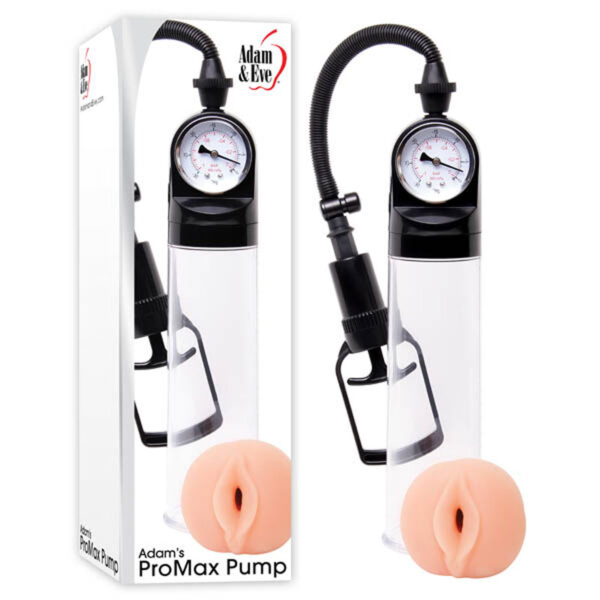
-10%
Original price was: $112.95.$101.95Current price is: $101.95.
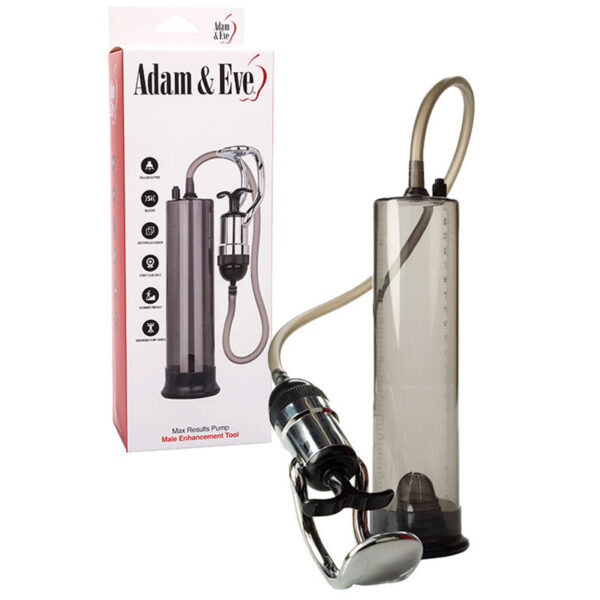
-9%
Original price was: $90.95.$82.95Current price is: $82.95.
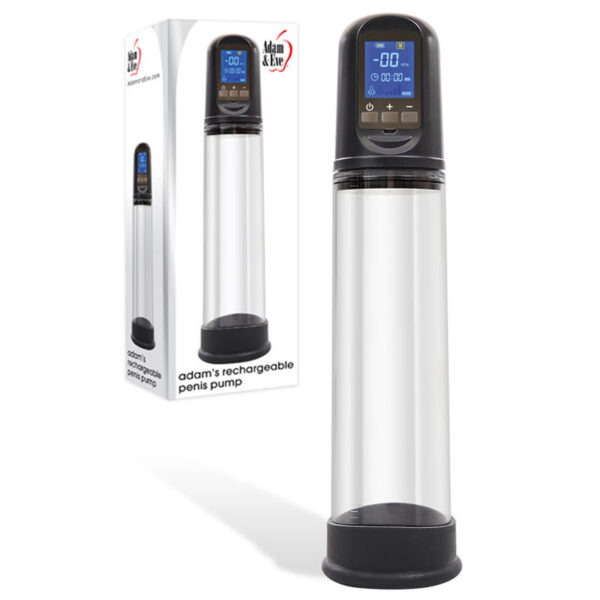
-9% Hot
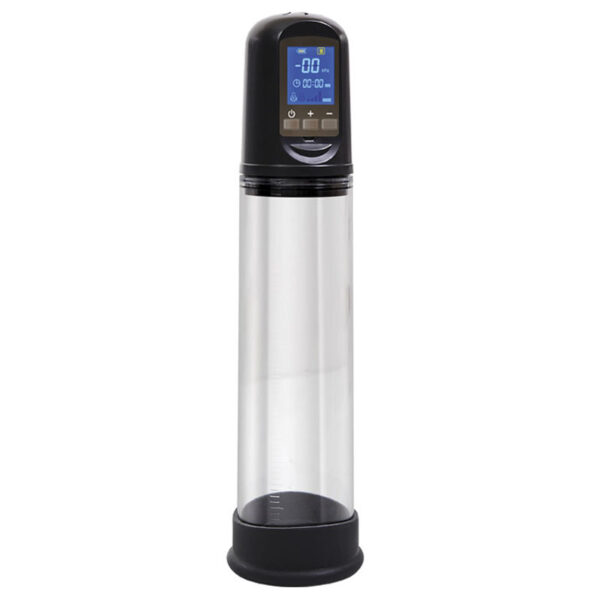
Original price was: $163.95.$148.95Current price is: $148.95.
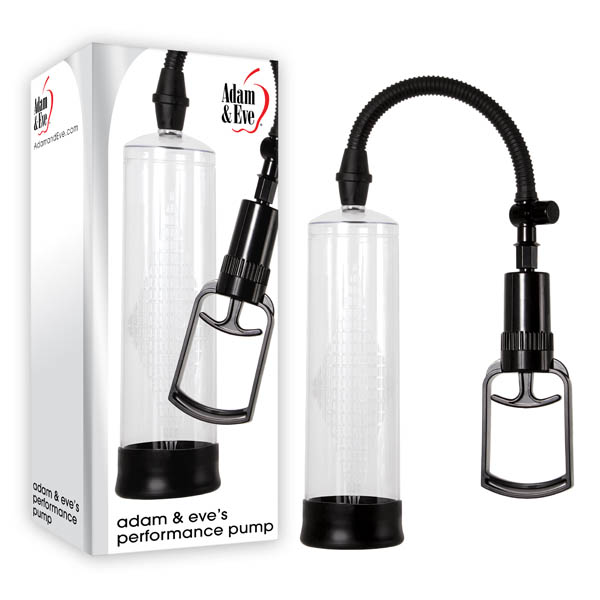
-9% Hot
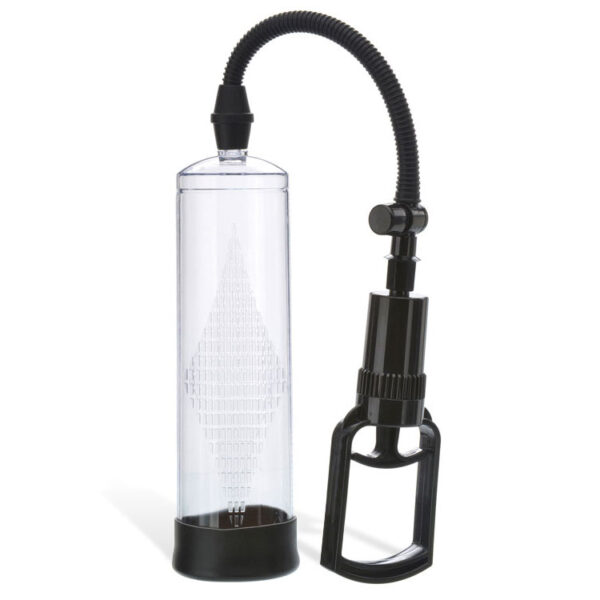
Original price was: $45.95.$41.95Current price is: $41.95.
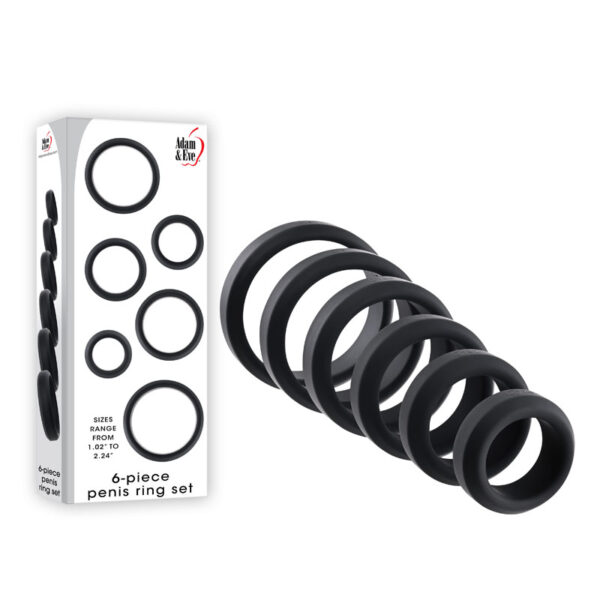
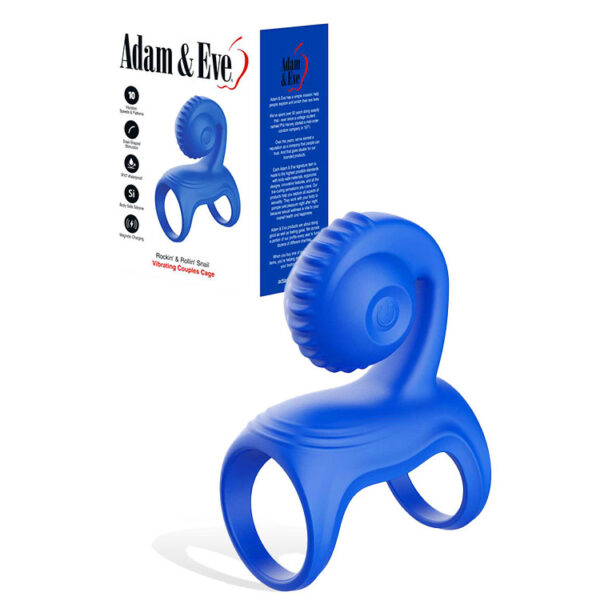
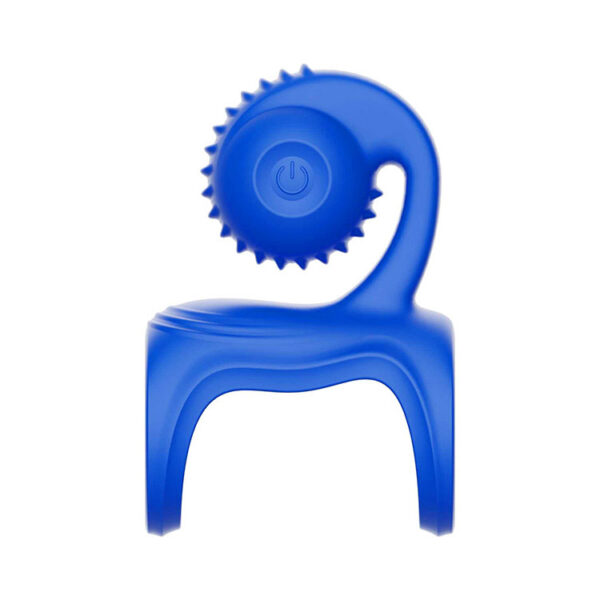
A cock ring, if you want to maintain the effect once you release the pump.
-9%

Original price was: $81.11.$73.74Current price is: $73.74.
-9%
Original price was: $100.95.$91.95Current price is: $91.95.

-9%
Original price was: $142.95.$129.95Current price is: $129.95.
-11%
Original price was: $96.95.$86.24Current price is: $86.24.
Key takeaways
- Pumps work by creating a temporary vacuum that draws blood into the tissue — the effect fades once the seal is released.
- Gradual pumping with pauses, capped around 15-20 minutes, avoids the bruising that comes from aggressive or extended sessions.
- Anyone with a circulatory condition or on blood thinners should check with a doctor first.
- A pump addresses a mechanical symptom in the moment — it’s not a substitute for medical care if erectile difficulty is a persistent, ongoing issue.
Pair a pump with a good water-based lube for a comfortable seal and easy cleanup — see our water-based vs silicone lube guide for which type suits which use.
Authoritative sources and further reading
- Healthline: Penis Pumps for Erectile Dysfunction — Clinical overview of pump mechanisms, safety, and appropriate use.
Related posts
Your cycle and arousal: how hormones change things month to month

Arousal isn't constant — here's how hormonal shifts across the menstrual cycle genuinely change desire, sensitivity and lubrication.
Choosing toys for different bodies and mobility considerations
Grip strength, reach, chronic pain, mobility limits — practical toy features that make a real difference for different bodies.
Understanding the refractory period — and how toys can help
Why men need a recovery window after orgasm, what actually shortens it, and how to keep intimacy going in the meantime.
How to actually use a penis pump safely
Pumps are simple in theory but easy to misuse. Here's the technique that actually works, and the mistakes that cause bruising.
A deeper guide to anal training: progressing safely over time
Past the beginner basics — how gradual anal training actually works, what "readiness" means, and common mistakes that cause setbacks.
Sensory deprivation play: blindfolds, earplugs and amplified senses
Remove one sense and the others sharpen dramatically — here's the science behind it and how to try it safely.
Kink vs fetish: what’s the actual difference
The two words get used interchangeably, but they don't mean quite the same thing — here's the distinction that actually matters.
Aftercare: not just for kink — why everyone benefits
Aftercare gets talked about mostly in BDSM circles, but the underlying idea helps almost any kind of sex feel better.
Ethical non-monogamy: what ENM actually means
Open relationships, polyamory, swinging — the terms explained plainly, and what makes any of it "ethical" in the first place.
Roleplay 101: how to start without it feeling awkward
Roleplay looks intimidating from the outside. Here's how to ease into it without props, scripts, or pressure to be a great actor.
Threesomes and group play: communication, boundaries and logistics
The unglamorous but essential part of adding a third person — how to talk about it, set boundaries, and actually plan for it.
Edging: what it is and why people do it on purpose
Bringing yourself (or a partner) right to the edge and backing off, deliberately — how it works and why people swear by it.