Free discreet shipping on orders over $75

Aftercare is the intentional check-in and care partners give each other once sex or play is over — most associated with BDSM, but genuinely useful far more broadly. Intense experiences, physical or emotional, leave your nervous system needing to come back down from a real cocktail of adrenaline, oxytocin, and endorphins, and aftercare is simply tending to that comedown rather than one person rolling over while the other feels abruptly alone.
Quick picks if you’re short on time:
- Aftercare addresses a genuine physiological comedown, not just an emotional nicety — hormone levels drop noticeably after sex, especially intense sex.
- It doesn’t need to be elaborate: cuddling, water, quiet conversation, or just lying together all count.
- It matters more, not less, after bondage or intense scenes — check for marks, warmth, circulation, and give emotional comedown real space.
- “Sub-drop” (a genuine emotional low after intense scenes, sometimes delayed by hours) is real and worth planning for, not just the immediate minutes after.
Next step: before your next intense session, agree with your partner on what aftercare will look like — don’t leave it to be improvised in the moment when you’re both least equipped to plan it.
Table of Contents
- What’s actually happening in your body
- Aftercare doesn’t require kink to matter
- What aftercare can look like, practically
- Aftercare needs, at a glance
- Sub-drop and delayed comedown
- Aftercare for the dominant partner too
- The thing most people get wrong about aftercare
- Setting up for good aftercare in advance
- Key takeaways
- Authoritative sources and further reading
What’s actually happening in your body
During sex, especially anything intense, your body runs on a real cocktail of adrenaline, oxytocin, and endorphins. Afterward, as those levels drop, some people experience a genuine emotional dip — sometimes called a “drop” — even after an experience that was entirely positive. This isn’t a sign anything went wrong; it’s a predictable physiological pattern, and aftercare is what helps regulate the comedown rather than leaving it to resolve on its own.
Aftercare doesn’t require kink to matter
Aftercare is most associated with BDSM specifically because the physical and emotional intensity involved makes the comedown more pronounced and more obviously in need of attention. But the underlying mechanism — hormone levels dropping after an intense experience — applies to any sex that leaves you feeling vulnerable, exposed, or physically spent, kink or not. Treating aftercare as something only “kinky people” need means a lot of couples miss out on something that would genuinely improve how sex feels afterward.
What aftercare can look like, practically
It doesn’t need to be elaborate. Cuddling, a glass of water, quiet conversation, checking in on how each other is feeling, or simply lying together without talking all count as genuine aftercare. The important part is that it’s intentional — something both partners actively do — rather than one person rolling over and falling asleep while the other is left feeling abruptly alone after something that was just emotionally significant.
Aftercare needs, at a glance
| Intensity level | Typical aftercare need |
|---|---|
| Everyday sex | Brief check-in, physical closeness — often a minute or two is enough |
| More intense or emotionally significant sex | Longer wind-down, active conversation, water and physical comfort |
| Bondage or restraint scenes | Check circulation and marks, plus emotional check-in — physical safety first |
| Intense power-exchange or impact scenes | Extended aftercare, awareness of possible delayed “drop” hours later |
Sub-drop and delayed comedown
“Sub-drop” refers to a genuine emotional low that can follow an intense scene, and it doesn’t always hit immediately — it can arrive hours or even a day later, once the initial hormone surge has fully worn off. This is worth knowing about in advance specifically because it can otherwise feel confusing or alarming if it shows up seemingly out of nowhere after what felt like a great experience. Checking in with a partner the day after an intense scene, not just immediately afterward, is a simple way to catch delayed drop before it feels isolating.
Aftercare for the dominant partner too
Aftercare gets framed almost entirely around the receiving or submissive partner, but the partner in the more active or dominant role often needs their own version of it — sometimes called “dom drop.” Holding space for someone else’s intense experience is itself demanding, and assuming the dominant partner doesn’t need anything afterward is a common gap that leaves them without the same support.
The thing most people get wrong about aftercare
The most common mistake is treating aftercare as optional extra credit rather than part of the experience itself. Skipping it because “everything seemed fine” ignores that the comedown can be delayed, and that even genuinely positive intense experiences still involve a real hormonal drop that benefits from active care. The other common mistake is assuming aftercare only applies to the receiving partner — both people in the dynamic can need it, just often in different forms.
Setting up for good aftercare in advance
Water, a blanket, and a few minutes with no distractions planned before an intense session makes genuine aftercare far more likely to actually happen, rather than being an afterthought once everyone’s tired. Agreeing beforehand on roughly what aftercare will look like — even just “we’ll cuddle and talk for a bit after” — removes the awkwardness of figuring it out in the moment, when you’re both least equipped to plan anything.
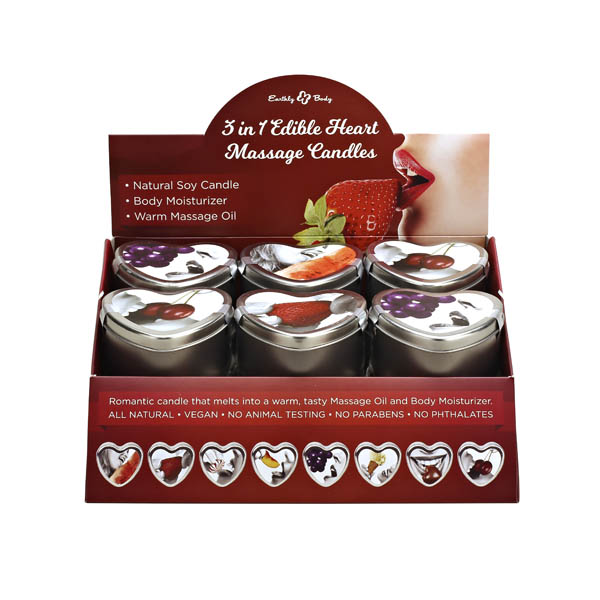
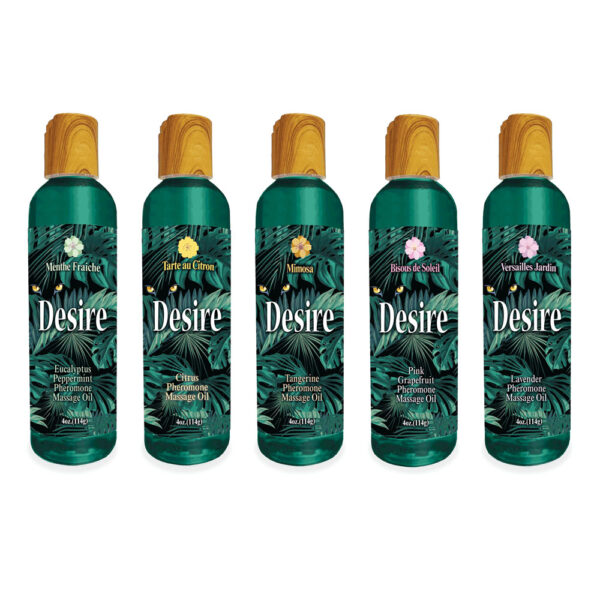
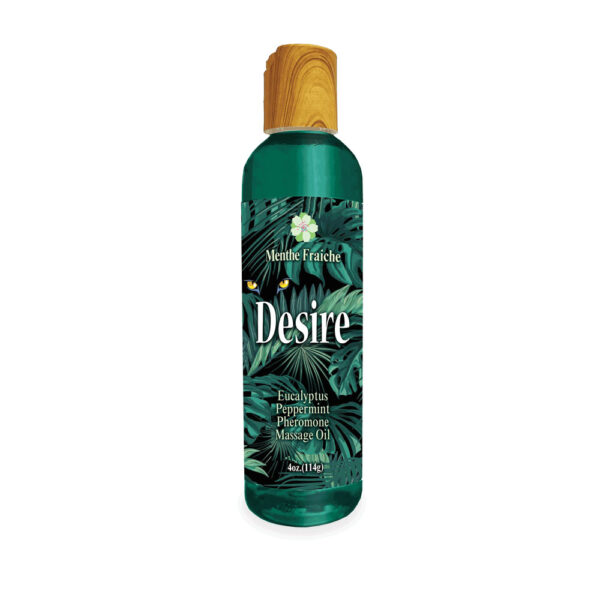
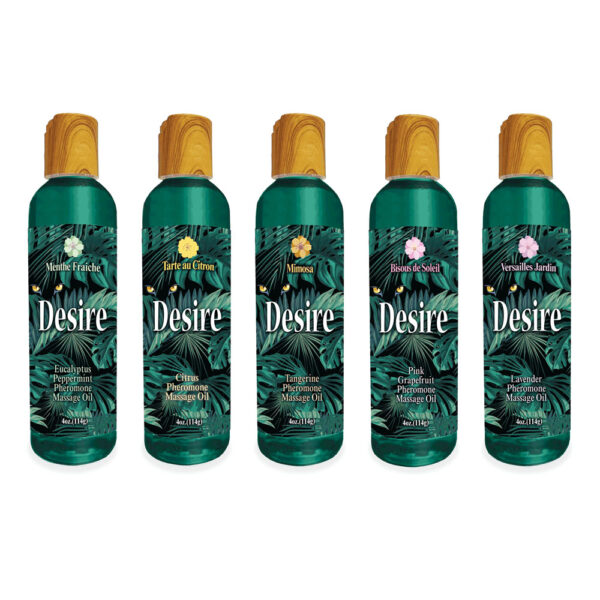
Massage oil is a simple, low-effort aftercare ritual that doubles as physical closeness.
-9%
Original price was: $265.95.$241.95Current price is: $241.95.

-0%
Original price was: $32.95.$32.81Current price is: $32.81.
-10%
Original price was: $39.95.$35.95Current price is: $35.95.
-10%
Original price was: $39.95.$35.95Current price is: $35.95.
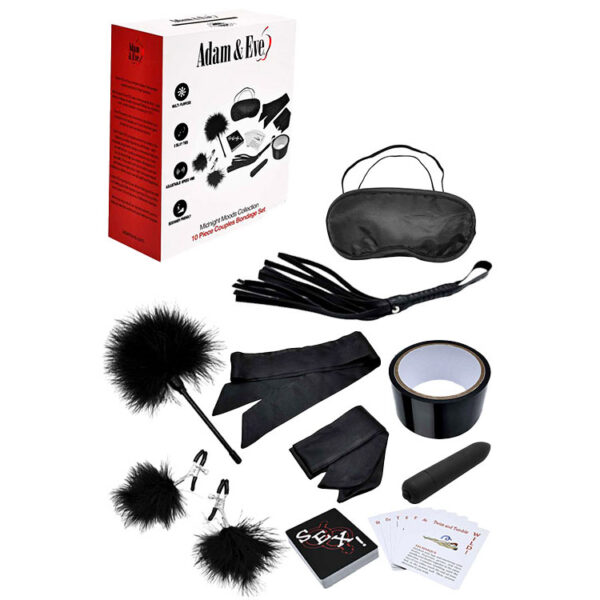
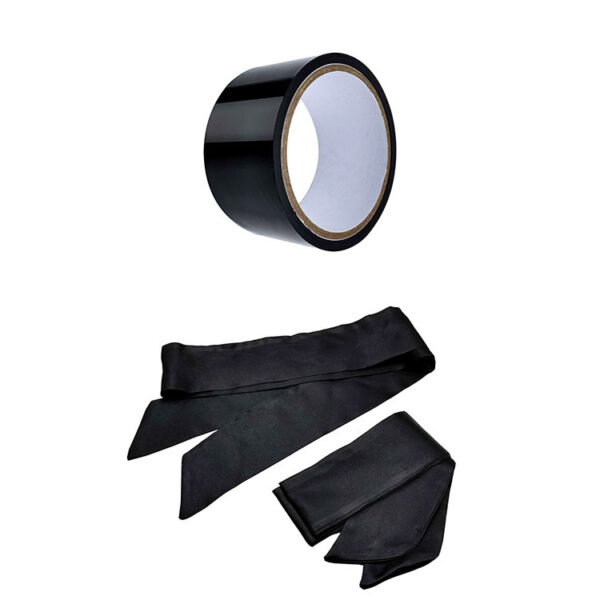
Comfortable restraints that release easily matter for both the scene itself and a smooth transition into aftercare once it’s time to wind down.

-9%

Original price was: $68.95.$62.95Current price is: $62.95.
-9%
Original price was: $142.95.$129.95Current price is: $129.95.

-10%

Original price was: $57.95.$51.95Current price is: $51.95.

-6%

Original price was: $39.95.$37.49Current price is: $37.49.
Key takeaways
- Aftercare addresses a real hormonal comedown (adrenaline, oxytocin, endorphins dropping), not just an emotional nicety.
- It applies to any intense sex, not only kink or BDSM specifically.
- Sub-drop can be delayed by hours — checking in the next day matters, not just immediately after.
- The dominant or more active partner often needs aftercare too, even though it’s rarely framed that way.
Our bondage 101 guide covers safewords and starter kits if you’re building a fuller picture of trust and aftercare together.
Authoritative sources and further reading
- Brook: Why we should all practise aftercare — Overview of aftercare beyond kink contexts, from a UK sexual health charity.
- The Conversation: What is sexual aftercare? — Academic perspective on aftercare and its connection to consent education.
Related posts
Your cycle and arousal: how hormones change things month to month

Arousal isn't constant — here's how hormonal shifts across the menstrual cycle genuinely change desire, sensitivity and lubrication.
Choosing toys for different bodies and mobility considerations
Grip strength, reach, chronic pain, mobility limits — practical toy features that make a real difference for different bodies.
Understanding the refractory period — and how toys can help
Why men need a recovery window after orgasm, what actually shortens it, and how to keep intimacy going in the meantime.
How to actually use a penis pump safely
Pumps are simple in theory but easy to misuse. Here's the technique that actually works, and the mistakes that cause bruising.
A deeper guide to anal training: progressing safely over time
Past the beginner basics — how gradual anal training actually works, what "readiness" means, and common mistakes that cause setbacks.
Sensory deprivation play: blindfolds, earplugs and amplified senses
Remove one sense and the others sharpen dramatically — here's the science behind it and how to try it safely.
Kink vs fetish: what’s the actual difference
The two words get used interchangeably, but they don't mean quite the same thing — here's the distinction that actually matters.
Aftercare: not just for kink — why everyone benefits
Aftercare gets talked about mostly in BDSM circles, but the underlying idea helps almost any kind of sex feel better.
Ethical non-monogamy: what ENM actually means
Open relationships, polyamory, swinging — the terms explained plainly, and what makes any of it "ethical" in the first place.
Roleplay 101: how to start without it feeling awkward
Roleplay looks intimidating from the outside. Here's how to ease into it without props, scripts, or pressure to be a great actor.
Threesomes and group play: communication, boundaries and logistics
The unglamorous but essential part of adding a third person — how to talk about it, set boundaries, and actually plan for it.
Edging: what it is and why people do it on purpose
Bringing yourself (or a partner) right to the edge and backing off, deliberately — how it works and why people swear by it.