Free discreet shipping on orders over $75


If you’ve never bought a toy before, the sheer number of options can feel like the least sexy part of the whole experience. There is no single “right” first toy — only the one that suits your body, your curiosity, and your comfort level today. The two things that actually predict whether you’ll like your first toy are sensation type (not shape or looks) and motor quality (rumbly vs buzzy), and both are things you can check before you buy rather than guess at.
Quick picks if you’re short on time:
- Ask “what feels good?” not “what does it look like?” — sensation type matters more than shape.
- Prioritise “rumbly” vibration over “buzzy” — it’s the single biggest quality difference between a satisfying toy and a disappointing one.
- Stick to body-safe, non-porous materials: medical-grade silicone, ABS plastic, glass, or stainless steel.
- Bullet vibrators, clitoral suction toys, and rabbit vibrators are the three most forgiving starting points.
Next step: before buying anything, decide whether you’re curious about external, internal, or both kinds of stimulation — that single decision narrows the entire catalogue down to a manageable shortlist.
Table of Contents
- Start with sensation, not shape
- External, internal, or both — sorting out what you’re curious about
- Rumbly beats buzzy
- Body-safe materials, at a glance
- What to avoid, and why it matters
- Noise level and discretion, if that matters to you
- Three easy starting points
- Price vs quality: what you’re actually paying for
- How many speeds do you actually need?
- Buying for yourself, or choosing one as a gift
- The thing most people get wrong buying their first toy
- Getting started comfortably
- Key takeaways
- Authoritative sources and further reading
Start with sensation, not shape
Rather than asking “what does it look like?”, ask “what feels good to me?” If you already know you enjoy external, clitoral sensation, a bullet vibrator or an air-pulse suction toy is a gentle, forgiving place to begin. If you’re curious about internal stimulation, look for something with a gentle curve — a rabbit vibrator lets you explore both internal and external at once, which is part of why it’s such a popular first purchase. It’s worth sitting with this question honestly before you shop, because the toy that photographs the best is rarely the one that ends up getting used.
External, internal, or both — sorting out what you’re curious about
Most first-toy disappointment traces back to buying for the wrong kind of stimulation, not a bad toy. External stimulation — the clitoris, in particular — is where most people experience their most intense and reliable sensation, which is exactly why bullet vibrators and suction toys are so consistently recommended as a starting point regardless of what else you eventually explore. Internal stimulation is a different, slower kind of sensation, often more about fullness and pressure than raw intensity, and it typically benefits from a toy with a deliberate curve rather than a straight shaft. If you genuinely don’t know which you’ll prefer, that’s a completely normal place to start from, and it’s exactly what a rabbit-style toy is designed to solve — it lets you try both without committing to one before you’ve actually experienced either.
Rumbly beats buzzy
Cheaper toys tend to be “buzzy” — a high, surface-level vibration that can go numb quickly and rarely satisfies for long. Better toys are “rumbly,” with a deeper vibration that most people find considerably more satisfying over a longer session. If you can only prioritise one quality when shopping, prioritise this one — the product description usually tells you which you’re getting, and motor quality (not the number of patterns) is what actually separates a good toy from a disappointing one. A simple way to think about it: a buzzy toy sits on the surface of the skin, while a rumbly toy’s vibration travels through the tissue underneath, which is why it tends to feel more satisfying even at a lower intensity setting.
Body-safe materials, at a glance
| Material | Why it’s considered body-safe |
|---|---|
| Medical-grade silicone | Non-porous, hypoallergenic, soft and durable |
| ABS plastic | Truly non-porous and phthalate-free, transmits vibration very well |
| Borosilicate glass | Completely non-porous, can be used for temperature play |
| Stainless steel | Non-porous, very easy to sterilise between uses |
What to avoid, and why it matters
Choose non-porous, medical-grade materials. Avoid vague “jelly” materials, PVC, or unlabelled TPE with no listed composition — porous materials can harbour bacteria over time even with regular cleaning, and phthalates (sometimes found in lower-quality plastics) have been associated with hormone disruption with repeated exposure. Every genuinely reputable product page lists the material clearly, so it takes ten seconds to check before buying, and a strong plastic smell straight out of the packaging is generally a red flag worth taking seriously. If a listing doesn’t mention the material at all, treat that as a red flag in itself — a manufacturer confident in what they’re selling generally says so upfront.
Noise level and discretion, if that matters to you
If you live with roommates, family, or thin walls, noise is a genuinely practical thing to check before buying, not an afterthought. Ironically, some of the quietest toys on the market are also the most powerful ones — a well-built motor with good insulation can be both rumbly and relatively hushed, while a cheap, buzzy motor is often louder simply because it’s working harder to produce a weaker sensation. Product listings increasingly note approximate noise levels, and it’s a completely reasonable thing to filter or ask about if privacy is a concern for you.
Three easy starting points
Bullet vibrators
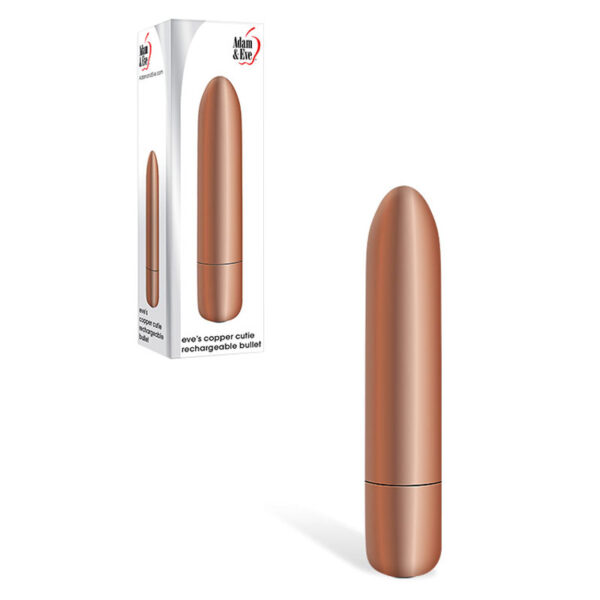
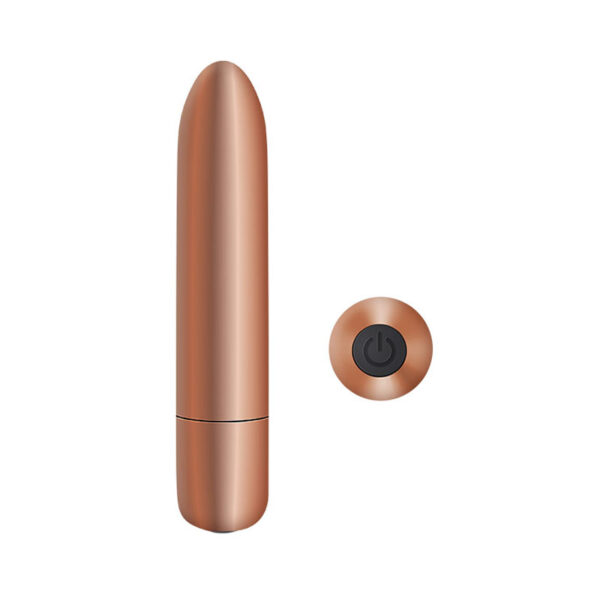
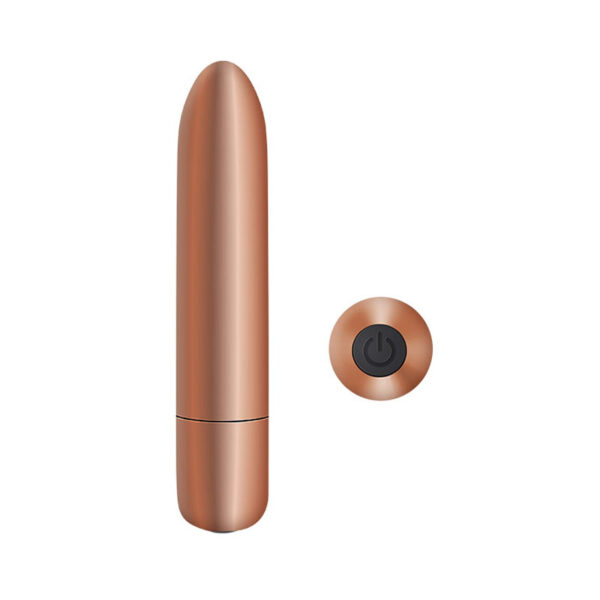
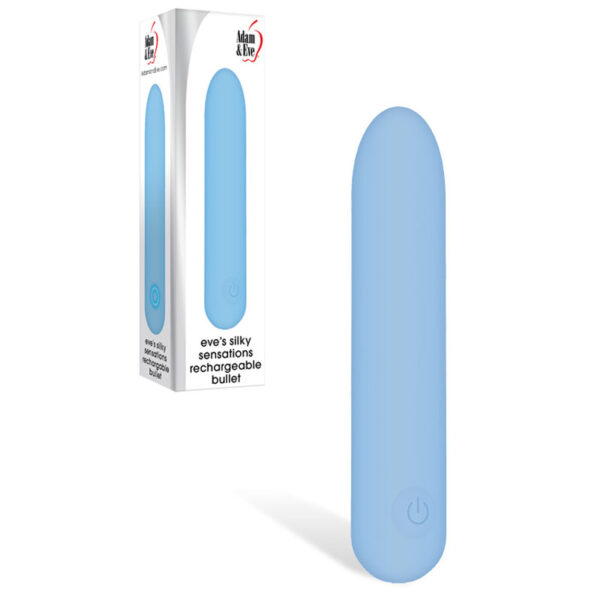
Small, discreet, and powerful. Easy to learn on and hard to get wrong.
-9%
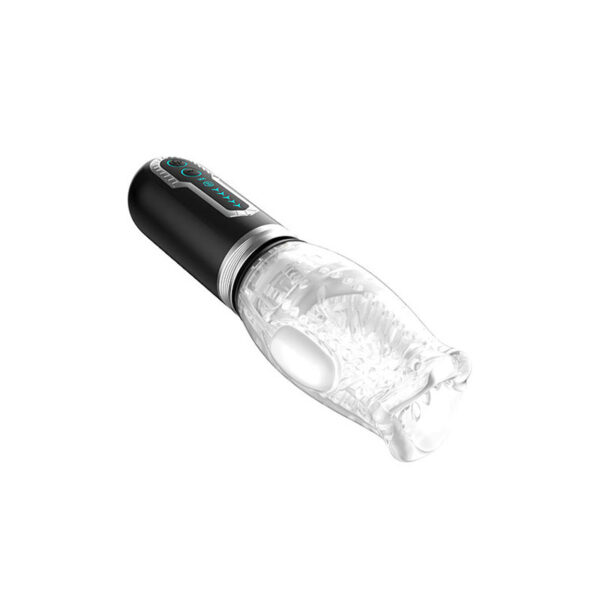
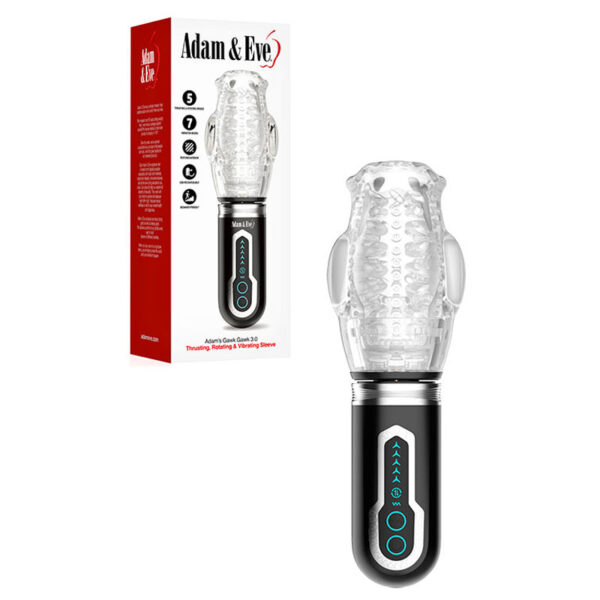
Adam & Eve Adam’s Gawk Gawk 3.0 – Clear USB Rechargeable Thrusting, Rotating & Vibrating Masturbator
Original price was: $196.95.$178.95Current price is: $178.95.
-9%
Original price was: $35.07.$31.88Current price is: $31.88.

-8%
Original price was: $36.95.$33.95Current price is: $33.95.
-9% Hot

Original price was: $67.95.$61.95Current price is: $61.95.
Clitoral suction toys
Touchless, gentle air-pulse sensation, using air pressure rather than direct contact vibration.
-9%
Original price was: $80.95.$73.95Current price is: $73.95.
-9%
Original price was: $87.95.$79.95Current price is: $79.95.
-9%
Original price was: $99.95.$90.95Current price is: $90.95.
-9% Hot
Original price was: $101.95.$92.95Current price is: $92.95.
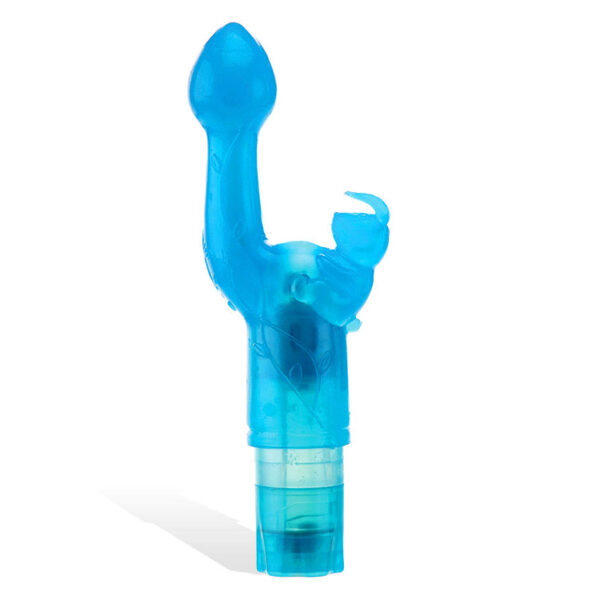
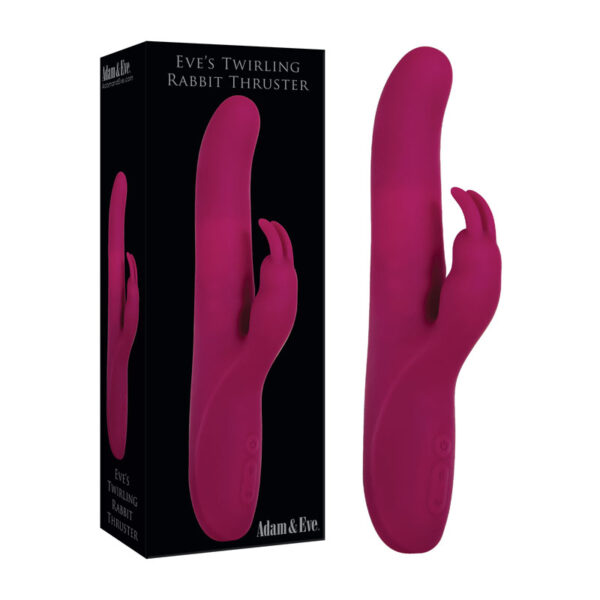
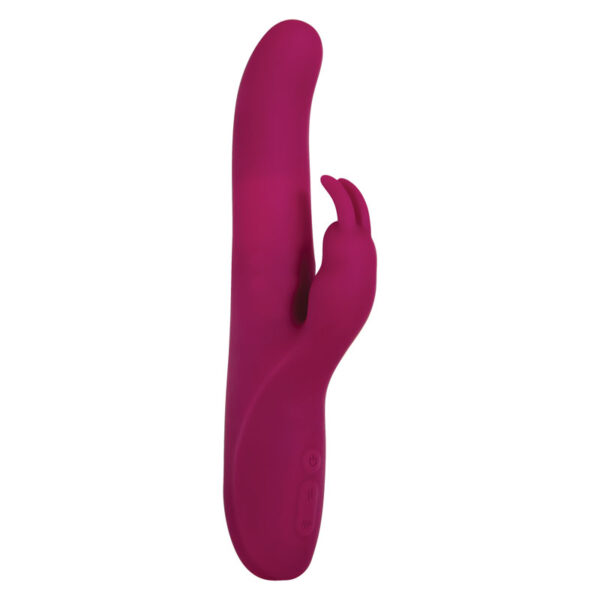
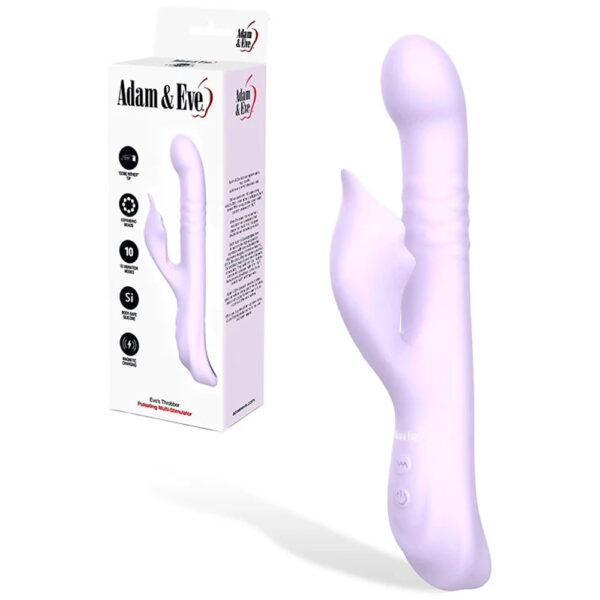
Rabbit vibrators
Internal and external together, if you want to explore both at once.

-9% Hot
Original price was: $189.95.$172.95Current price is: $172.95.

-9% Hot

Original price was: $110.95.$100.95Current price is: $100.95.
-9%

Original price was: $210.95.$191.95Current price is: $191.95.
Price vs quality: what you’re actually paying for
A higher price tag doesn’t automatically mean a better toy, but at the very bottom of the market, price and quality genuinely do correlate — a very cheap toy is more likely to use a buzzy motor, a porous material, and weaker waterproofing. What you’re paying for as the price goes up is usually motor quality first, material quality second, and features like app control or extra patterns a distant third. For a first toy, it’s reasonable to aim for the middle of a category’s price range rather than the cheapest option, since that’s typically where the motor quality jump happens, without needing to spend on features you don’t yet know if you’ll use.
How many speeds do you actually need?
Fewer than the marketing suggests. A toy with three or four genuinely distinct, well-built intensity levels will usually outperform one boasting twenty patterns built on a weaker motor. What matters more in practice is whether the lowest setting is genuinely gentle (useful for building up slowly) and whether the highest setting is strong enough that you’re not maxing it out immediately — the number in between those two points matters far less than the range itself.
Buying for yourself, or choosing one as a gift

Buying a first toy for a partner, rather than yourself, calls for a slightly different approach — it’s worth erring toward something versatile and easy to use rather than anything highly specific, since you’re guessing at preferences you haven’t confirmed together yet. A gift-giving context is also a good reason to have an honest, low-pressure conversation first about what they’re curious about, rather than treating it purely as a surprise. Whether it’s for yourself or someone else, the same underlying principles apply: sensation type and material quality matter far more than how impressive the packaging looks.
The thing most people get wrong buying their first toy
The most common mistake is choosing a toy based on how realistic or impressive it looks rather than what sensation it actually delivers. A toy that looks the most “serious” in photos often isn’t the one that will feel the best — shape, size, and visual design have surprisingly little correlation with how satisfying a toy actually is to use, which is exactly why sensation type and motor quality deserve far more attention than appearance when you’re choosing a first toy.
Getting started comfortably

Whatever you choose, add a good water-based lube — it works with virtually everything, including all toy materials and condoms — and give yourself unhurried, private time. There’s no test at the end, just what feels good, and it’s completely normal for a first toy not to be a perfect match; most people try a few different types before finding what genuinely works for them. Starting on a low setting and building up, rather than jumping straight to the highest intensity, tends to give a more accurate first impression of whether a toy actually suits you.
Key takeaways
- Choose based on sensation type (external, internal, or both) rather than how a toy looks.
- Rumbly, deep vibration outperforms buzzy, surface-level vibration almost every time — check the description.
- Stick to non-porous, body-safe materials: medical-grade silicone, ABS plastic, glass, or stainless steel.
- Fewer, genuinely well-built intensity levels beat a long list of patterns on a weak motor.
- Aim for the middle of a category’s price range for your first toy — that’s usually where motor quality improves most.
For a deeper look at what makes a good motor, see our wand massagers guide, and check our guide to cleaning your toys once you’ve chosen one — it takes thirty seconds and genuinely extends how long a toy lasts.
Authoritative sources and further reading
- SVAKOM: Guide to Body-Safe Sex Toy Materials — Manufacturer-level breakdown of safe vs unsafe materials.
- Wisp: Body-Safe Sex Toys — How to Choose — Consumer-facing guide on porous vs non-porous materials and what to avoid.
Related posts
Edging: what it is and why people do it on purpose

Bringing yourself (or a partner) right to the edge and backing off, deliberately — how it works and why people swear by it.
Multiple orgasms: what’s actually happening in your body
The real, research-backed version of multiple orgasms — who experiences them, why, and how to explore without the pressure.
Squirting: the science, the myths, and what actually helps
What squirting actually is, why it isn't "just urine," and what tends to make it more likely — without the pressure to perform.
Anal beads vs. butt plugs: what’s the difference

Two different sensations, not interchangeable. Here's how to tell which one you actually want.
Lingerie fit guide: how to choose pieces that actually feel good
Fit and fabric matter more than the photo. Here's what to actually check before you buy.
Setting the mood: massage oils, candles and slowing down
Oils, candles and simply slowing down — small changes that make a bigger difference than another toy.
Wand massagers: why everyone’s obsessed
Why wand massagers have such a loyal following, and how to pick the right one for you.
Ben Wa balls & kegel weights: a beginner’s guide
Weighted balls explained — pleasure, pelvic floor training, or both — and how to start safely.
Cock rings explained: what they do and how to use one safely
What cock rings actually do, vibrating vs standard, and the one safety rule that matters most.
Onahole masturbators: what they are and how to choose one
What an onahole actually is, what makes one different from another, and how to look after it properly.

Prostate play: a beginner’s guide for men
A relaxed, judgment-free starting point for prostate play — what it is, why it feels different, and how to begin.

What does it mean to be GGG? Good, giving and game in bed
Dan Savage's shorthand for being a great partner, explained — and how it actually plays out night to night.