Free discreet shipping on orders over $75

One of the more genuinely useful concepts from sex research is arousal non-concordance — the fact that mental desire (feeling turned on) and physical arousal (like lubrication or erection) don’t always match up, and that mismatch is completely normal rather than a sign something’s wrong.
What the research actually shows
Studies measuring physical arousal alongside self-reported desire have consistently found the two don’t reliably track together — physical signs can appear without subjective desire, and strong desire can occur without an obvious physical response. This cuts in both directions and applies across genders, even though it’s discussed most often in relation to vulva owners.
Why this matters practically
It means physical readiness (lubrication, erection) isn’t a reliable stand-in for enthusiastic desire, and the absence of an obvious physical response doesn’t mean someone isn’t genuinely interested. Checking in verbally — rather than reading the body as the whole story — gives a much more accurate picture, and matters for consent specifically: physical arousal is not consent.
What helps close the gap
Extra time, extra lubrication regardless of what the body is or isn’t doing on its own, and reducing performance pressure (from either partner) around “proving” arousal all help. If a physical response is lagging behind desire, that’s not a problem requiring diagnosis — it’s just how a lot of bodies work.
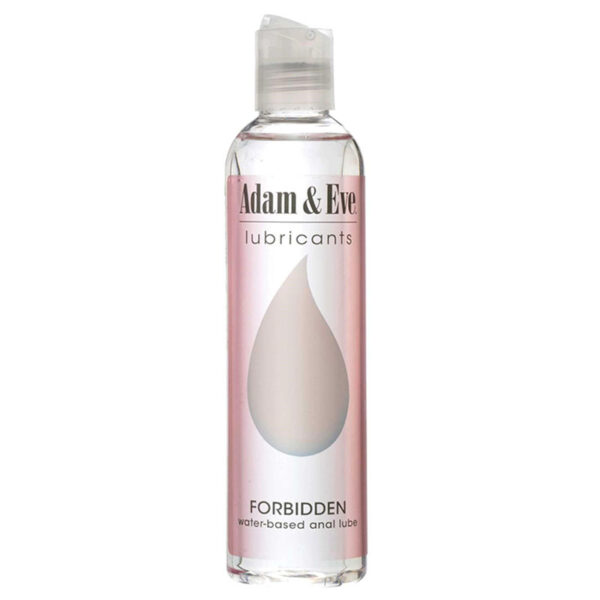
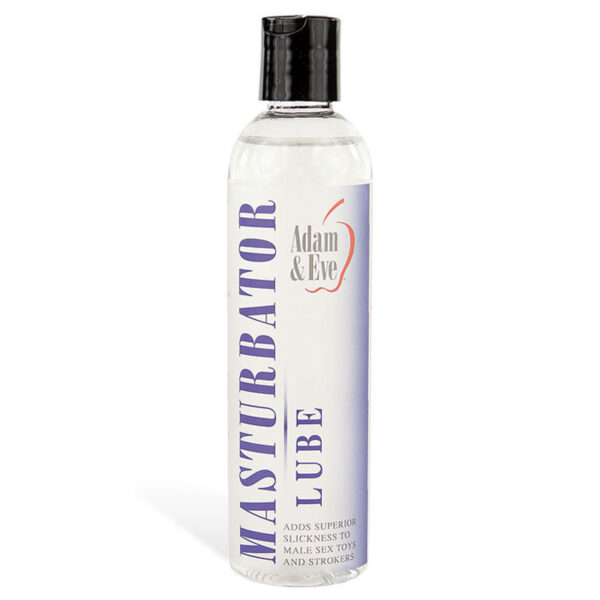
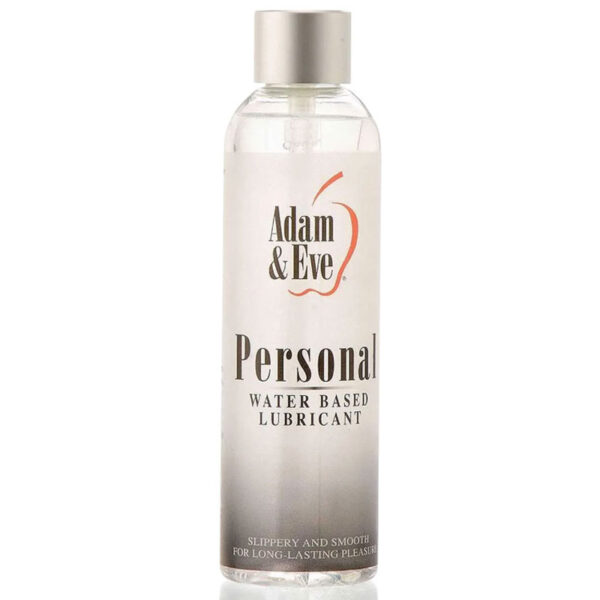
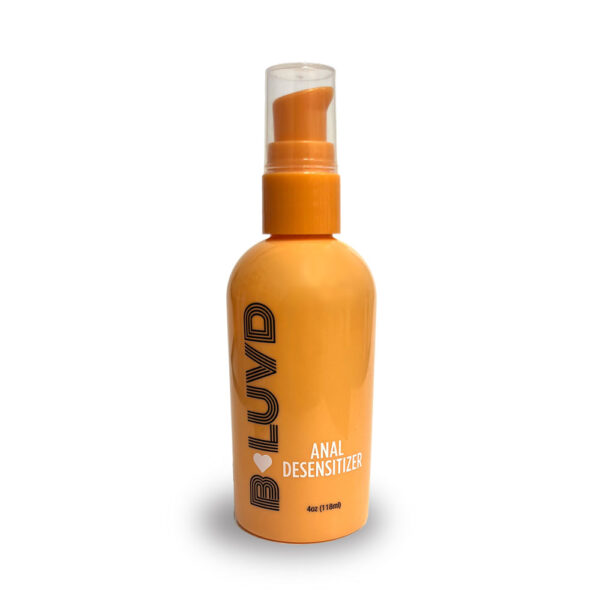
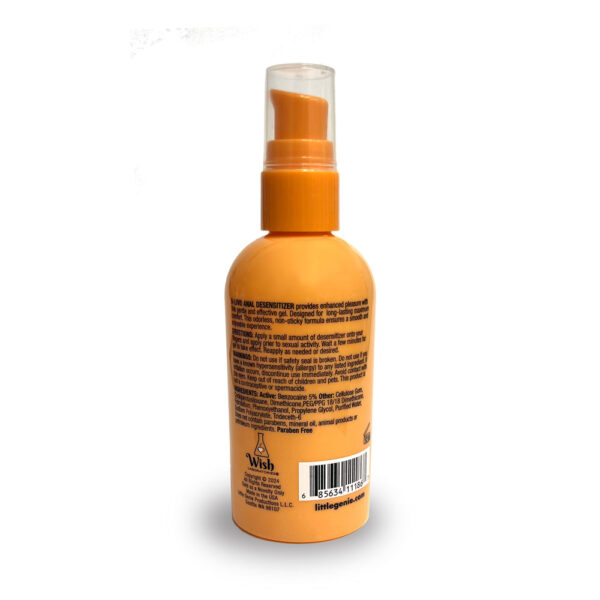
Lubrication removes the guesswork around physical readiness
-9%
Original price was: $42.95.$38.95Current price is: $38.95.
-9%
Original price was: $34.95.$31.95Current price is: $31.95.
-8%
Original price was: $36.95.$33.95Current price is: $33.95.
-9%
Original price was: $44.95.$40.95Current price is: $40.95.
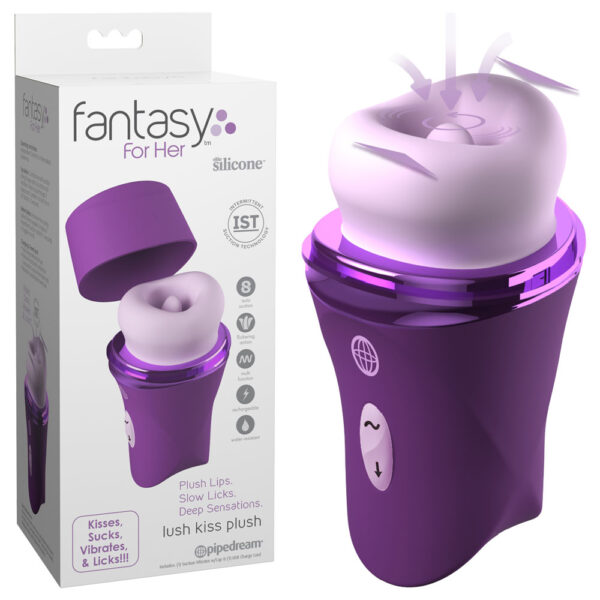
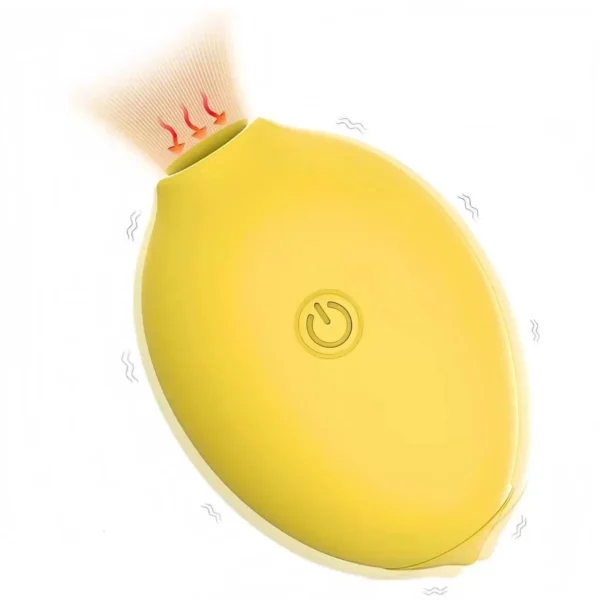
Gentle, low-pressure external stimulation
-9%
Original price was: $161.95.$146.95Current price is: $146.95.

-9%

Original price was: $189.95.$172.95Current price is: $172.95.
-34% Hot

Original price was: $90.95.$59.95Current price is: $59.95.
-9%
Original price was: $185.95.$168.95Current price is: $168.95.
For more on the broader hormonal picture behind arousal, see our piece on pelvic floor health, which covers a related piece of the puzzle.
Related posts
Vibration deep dive: why more speeds doesn’t mean a better toy

The spec sheet lies — "10 speeds, 20 patterns" tells you almost nothing about how a toy actually feels. Here's what to check instead.
Arousal non-concordance: why “turned on” and “physically ready” aren’t the same
Feeling desire and your body's physical arousal response don't always line up — and that mismatch is far more common than most people realise.
Sex after baby: what changes and how to ease back in
Physical recovery, exhaustion, body changes and desire that doesn't match what it used to — a realistic guide to easing back in.
How to talk about STIs and testing without killing the mood
A conversation most people dread, made simpler — practical scripts for bringing up testing and status with a new or existing partner.
Your cycle and arousal: how hormones change things month to month
Arousal isn't constant — here's how hormonal shifts across the menstrual cycle genuinely change desire, sensitivity and lubrication.
Choosing toys for different bodies and mobility considerations
Grip strength, reach, chronic pain, mobility limits — practical toy features that make a real difference for different bodies.
Understanding the refractory period — and how toys can help
Why men need a recovery window after orgasm, what actually shortens it, and how to keep intimacy going in the meantime.
How to actually use a penis pump safely
Pumps are simple in theory but easy to misuse. Here's the technique that actually works, and the mistakes that cause bruising.
A deeper guide to anal training: progressing safely over time
Past the beginner basics — how gradual anal training actually works, what "readiness" means, and common mistakes that cause setbacks.
Sensory deprivation play: blindfolds, earplugs and amplified senses
Remove one sense and the others sharpen dramatically — here's the science behind it and how to try it safely.
Kink vs fetish: what’s the actual difference
The two words get used interchangeably, but they don't mean quite the same thing — here's the distinction that actually matters.
Aftercare: not just for kink — why everyone benefits
Aftercare gets talked about mostly in BDSM circles, but the underlying idea helps almost any kind of sex feel better.