Free discreet shipping on orders over $75

A threesome, or any group scenario, tends to succeed or fail almost entirely based on the conversations that happen before anyone gets undressed — not on chemistry in the moment, and not on finding the “right” third person. Couples who go in with clear boundaries, a shared understanding of why they want to try it, and a plan for how to find someone report far better outcomes than couples who treat it as a spontaneous opportunity to seize when it arises. This guide covers the actual groundwork: the conversation, the boundaries, and the logistics that most articles skip past.
Quick picks if you’re short on time:
- Build up to it with “twosome talk” first — if you can’t discuss fantasies openly as a couple, jumping straight to threesome planning is a big leap.
- Decide boundaries in advance: specific acts, protection expectations, whether it’s one-time, and how to signal wanting to stop.
- Agree on a simple check-in signal that either partner can use without it feeling like a big dramatic interruption.
- Debrief afterward — how it felt, what was harder than expected, whether it’s something to revisit — matters as much as the planning did.
Next step: before approaching anyone else, have one focused conversation as a couple about why you each want this and what would make it feel safe — not what acts you want, but what you each need to feel okay about it.
Table of Contents
- Start with “twosome talk,” not threesome talk
- Why most threesomes that go badly, go badly
- Setting boundaries: a practical checklist
- Finding a third, safely
- The “unicorn” problem, and why it matters
- During the scene: staying connected as a couple
- The thing most people get wrong about threesomes
- After: the debrief that actually matters
- Key takeaways
- Authoritative sources and further reading
Start with “twosome talk,” not threesome talk
If you and your partner haven’t built a habit of talking openly about fantasies and desires generally, jumping straight to “so, a threesome?” can feel abrupt and high-stakes for both of you. It helps enormously to build that muscle first with lower-stakes conversations about smaller fantasies or curiosities — normalising the idea that either of you can raise something without it being treated as a demand or a threat to the relationship. Our guide on talking to a partner about trying something new has practical scripts that apply directly here, even though it’s written more broadly.
Why most threesomes that go badly, go badly
The most common failure pattern isn’t jealousy in the moment — it’s under-preparation beforehand. Couples who go in without having discussed specifics (what’s on the table, what isn’t, how either partner will signal discomfort) tend to have one partner freeze up or shut down mid-scene because something crossed a line that was never actually named out loud. The scene itself is rarely the problem; the absence of a shared, explicit understanding beforehand usually is.
Setting boundaries: a practical checklist
| Decide in advance | Why it matters |
|---|---|
| Specific acts that are in / out | Prevents mid-scene confusion or a partner feeling pressured to keep pace |
| Protection and testing expectations | Should be settled before, not negotiated in the moment |
| One-time or open to repeating | Sets realistic expectations for the third person too |
| Check-in signal to pause or stop | Lets anyone step back without it becoming a big dramatic moment |
| What happens with the third afterward | Ongoing friendship, occasional repeat, or a one-off — decide before, not after |
Finding a third, safely
However you meet someone — an existing friend, a dating app built for this (several exist specifically for couples), or a community event — go slowly. Talk to them together as a couple before anything physical happens, and treat that initial conversation as a genuine screening process, not just a formality. Don’t feel obligated to move faster than the least-comfortable person in the group wants to, including the third person, who deserves the same clarity about boundaries and expectations that you’ve given each other.
The “unicorn” problem, and why it matters
A significant number of couples specifically seek a single woman to join them (sometimes called a “unicorn”), and it’s worth being honest that this dynamic can put unfair pressure on the third person to manage two people’s needs and feelings at once, without the same support structure either partner in the couple has. Being aware of this pattern going in — actively checking in with the third person throughout, not just at the start — makes a real difference to how the experience goes for everyone, not just the couple.
During the scene: staying connected as a couple
It’s easy for a couple to become genuinely disconnected from each other once a third is involved, simply because attention naturally splits. Small moments of connection — eye contact, a check-in touch, a private moment even briefly — help keep the experience feeling like something you’re doing together rather than two separate things happening in the same room.
The thing most people get wrong about threesomes
The most common misconception is treating a threesome as something you do once you find the right person, rather than something you prepare for as a couple first and then look for a person who fits an already-clear plan. Couples who go looking for a third before they’ve actually agreed on boundaries between themselves tend to import that ambiguity directly into the scene, which is a much harder place to sort it out than a calm conversation at home.
After: the debrief that actually matters
Make time to check in with each other afterward — how did it feel, was anything harder or easier than expected, is this something to revisit or a one-time experience. This debrief matters just as much as the pre-planning did, and skipping it because everything seemed fine in the moment is a common reason smaller, unaddressed feelings resurface later as bigger ones.
Key takeaways
- Preparation beforehand matters far more than finding the “right” third person — most bad experiences trace back to under-discussed boundaries, not the scene itself.
- Decide specific boundaries, protection expectations, and a check-in signal before approaching anyone.
- Be aware of the extra pressure often placed on a single third person joining a couple, and check in with them throughout, not just at the start.
- The after-conversation matters as much as the before-conversation — don’t skip it just because things seemed fine.
Protection matters even more with more partners involved.

-9%
Original price was: $113.95.$103.95Current price is: $103.95.
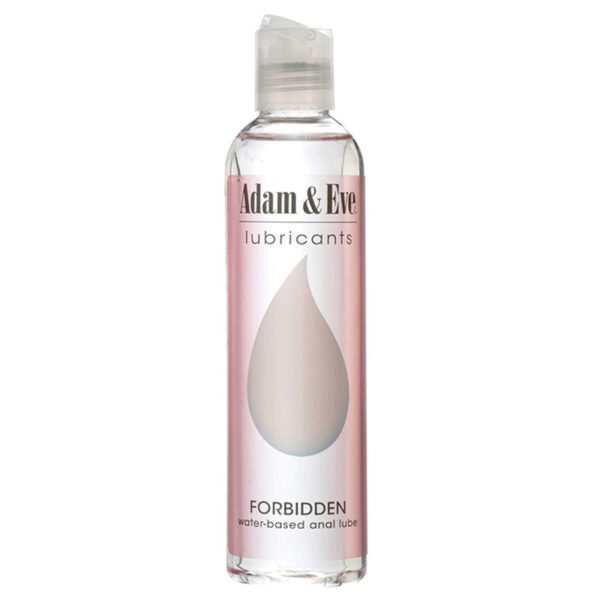
A good lube keeps things comfortable for everyone throughout a longer session.
-9%
Original price was: $265.95.$241.95Current price is: $241.95.
-9%
Original price was: $42.95.$38.95Current price is: $38.95.
-9%
Original price was: $56.95.$51.95Current price is: $51.95.

-9%
Original price was: $34.95.$31.95Current price is: $31.95.
Authoritative sources and further reading
- Bustle: Communicating With Your Third Before, During & After — Practical guidance on the specific communication needs of the third person in the dynamic.
Related posts
Roleplay 101: how to start without it feeling awkward

Roleplay looks intimidating from the outside. Here's how to ease into it without props, scripts, or pressure to be a great actor.
Threesomes and group play: communication, boundaries and logistics
The unglamorous but essential part of adding a third person — how to talk about it, set boundaries, and actually plan for it.
Edging: what it is and why people do it on purpose
Bringing yourself (or a partner) right to the edge and backing off, deliberately — how it works and why people swear by it.
Multiple orgasms: what’s actually happening in your body
The real, research-backed version of multiple orgasms — who experiences them, why, and how to explore without the pressure.
Squirting: the science, the myths, and what actually helps
What squirting actually is, why it isn't "just urine," and what tends to make it more likely — without the pressure to perform.
Anal beads vs. butt plugs: what’s the difference

Two different sensations, not interchangeable. Here's how to tell which one you actually want.
Lingerie fit guide: how to choose pieces that actually feel good
Fit and fabric matter more than the photo. Here's what to actually check before you buy.
Setting the mood: massage oils, candles and slowing down
Oils, candles and simply slowing down — small changes that make a bigger difference than another toy.
Wand massagers: why everyone’s obsessed
Why wand massagers have such a loyal following, and how to pick the right one for you.
Ben Wa balls & kegel weights: a beginner’s guide
Weighted balls explained — pleasure, pelvic floor training, or both — and how to start safely.
Cock rings explained: what they do and how to use one safely
What cock rings actually do, vibrating vs standard, and the one safety rule that matters most.
Onahole masturbators: what they are and how to choose one
What an onahole actually is, what makes one different from another, and how to look after it properly.