Free discreet shipping on orders over $75

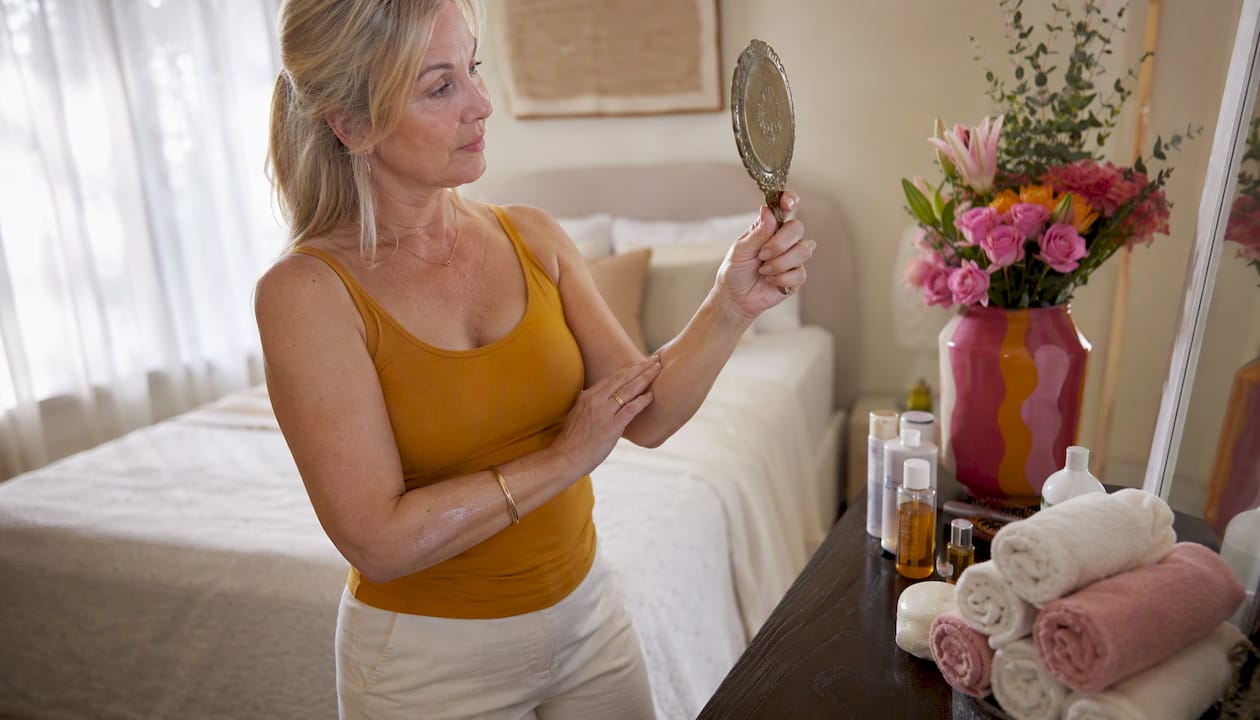
For most people dealing with menopause-related vaginal dryness, a glycerin-free, pH-balanced water-based gel with hyaluronic acid is the best place to start. It works with condoms and most toys, hydrates on contact, and suits sensitive tissue. If dryness is more severe or you need longer-lasting relief during sex, a silicone-based formula is worth trying instead.
Quick picks to guide your choice:
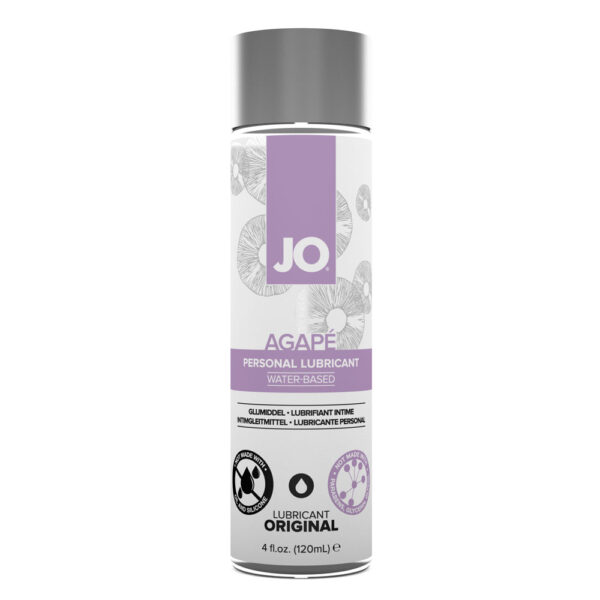
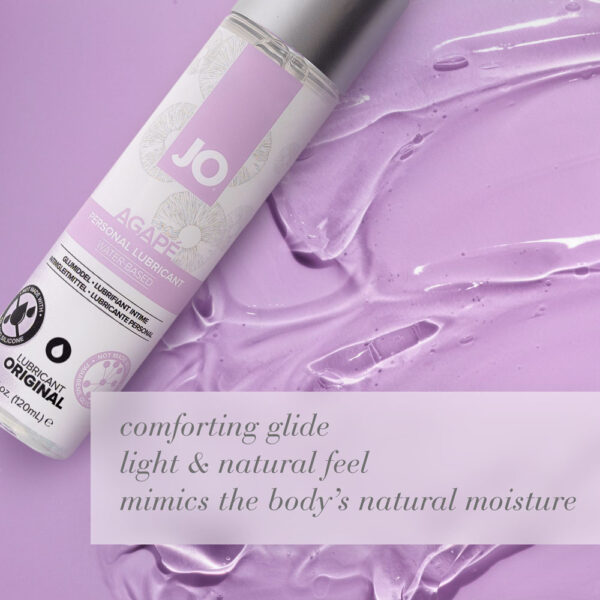
- Water-based with hyaluronic acid or aloe: Best for everyday comfort, toy compatibility, and anyone prone to yeast infections. Reapply as needed. Try JO Agape Original Lube 60mL for a travel-size first try, or the 120mL bottle once you know it works for you.
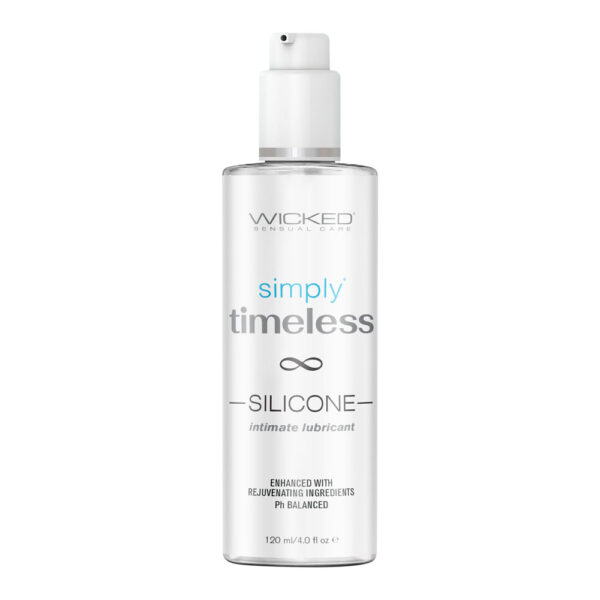
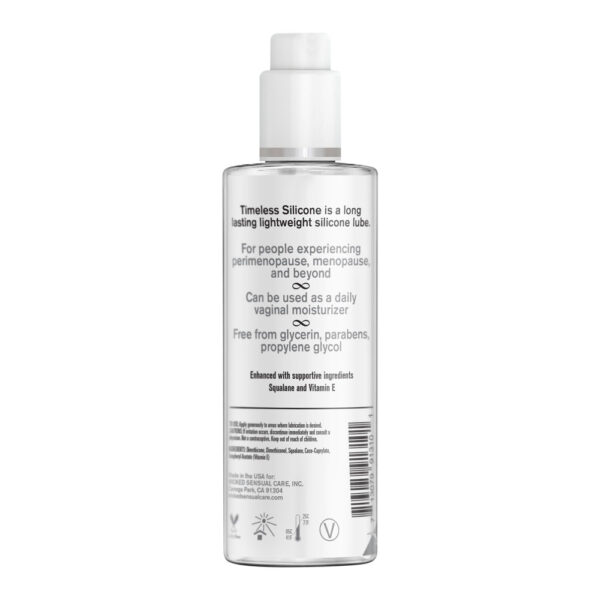
- Silicone-based: Best for longer sessions or significant dryness where water-based formulas dry out too fast. Not safe with silicone toys. Wicked Simply Timeless Silicone is a good starting bottle.
- Oil-based or natural oils (like coconut oil): Longest-lasting, but not latex-condom-safe and may increase infection risk for some people.
Next step: apply a pea-size amount to your inner forearm, wait 24 hours, and check for irritation before using internally. If dryness persists despite regular lube use, or if you experience pain or bleeding, talk to a clinician about prescription options.
Table of Contents
- Why does menopause cause vaginal dryness?
- How lubricants actually help during perimenopause
- What are the different types of lube and which suits menopause?
- How do you choose the right lube for menopause?
- Oola’s picks for menopause-friendly lubricants
- When lubricants aren’t enough: what to do next
- How to use lubricants safely: application, storage, and compatibility
- Key Takeaways
- The thing most people get wrong about lube for menopause
- Oola’s lubricant range: body-safe, lab-tested, and ready to ship
- Authoritative sources and further reading
Why does menopause cause vaginal dryness?
The short answer is estrogen. As estrogen levels drop during perimenopause and menopause, vaginal tissue becomes thinner, less elastic, and produces less natural lubrication. The medical term for this cluster of symptoms is genitourinary syndrome of menopause (GSM), formerly called vaginal atrophy. GSM covers dryness, irritation, burning, and pain during sex, and according to the Mayo Clinic, it’s one of the most common and undertreated conditions associated with menopause.
Lubricants address the immediate friction and discomfort. But if symptoms are persistent or getting worse, clinical options go further:
- Vaginal moisturizers: — Used regularly (several times a week) to maintain tissue hydration over time, not just during sex.
Lubricants and moisturizers are a solid first line. When they’re not enough, the options above are worth a conversation with your doctor.

How lubricants actually help during perimenopause
Store-bought lubricants can significantly enhance sexual comfort by reducing friction and easing the pain caused by decreased moisture and tissue elasticity. That’s not a small thing. For many people in perimenopause, a good lube is the difference between sex that feels uncomfortable and sex that feels good again.
Here’s what a lubricant does in practice:
- Reduces friction during penetration, which lowers the risk of microtears in already-thinned tissue.
- Eases discomfort during both partnered sex and solo use with toys.
- Soothes irritated tissue on contact.
- Supports arousal by removing the distraction of pain or dryness.
- Works equally well for vaginal and anal use when the right formula is chosen.
What a lubricant won’t do is restore tissue elasticity or reverse the underlying hormonal changes. That’s the job of vaginal moisturizers and, when needed, local hormone therapies. Think of a lube as in-the-moment relief and a moisturizer as the longer-term maintenance plan. Mayo Clinic guidance recommends pairing both approaches for the best results.
What are the different types of lube and which suits menopause?
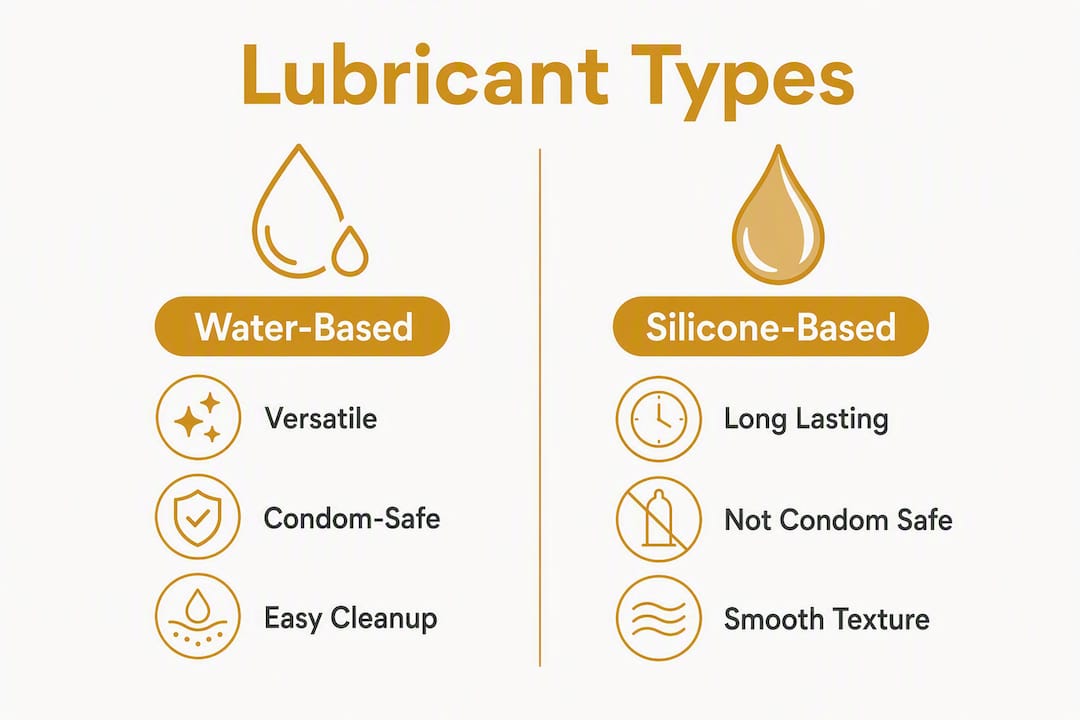
Lubricants fall into three main categories: water-based, silicone-based, and oil-based. Each has a distinct profile for longevity, compatibility, and irritation risk. A fourth group, formulas built around hyaluronic acid or aloe vera, often sits within the water-based category but deserves its own mention because of how well those ingredients suit menopausal tissue.
Water-based lubricants
Water-based formulas are the most versatile option. They’re safe with latex condoms and compatible with virtually all toy materials, including silicone. They absorb into skin naturally, which means they may need reapplication during longer sessions. Look for versions that include hyaluronic acid, aloe vera, or vitamin E: clinicians and reviewers highlight these actives for their soothing and moisture-retaining properties, which matter more for menopausal tissue than for younger skin.
One thing to watch: glycerin. It’s a common humectant in water-based lubes, but for anyone prone to yeast infections, it can feed yeast growth. Stick to glycerin-free formulas if that’s a concern for you.
Silicone-based lubricants
Silicone lubes last longer and require less reapplication, which makes them a strong choice for more severe dryness or longer sessions. They don’t evaporate, they’re safe with latex condoms, and they work well in water (shower, bath). The trade-off: silicone can degrade silicone toy surfaces over time, so they’re not a match for most vibrators or dildos. Cleanup also takes a little more effort since silicone doesn’t rinse off as easily as water-based formulas.
Oil-based and natural oils
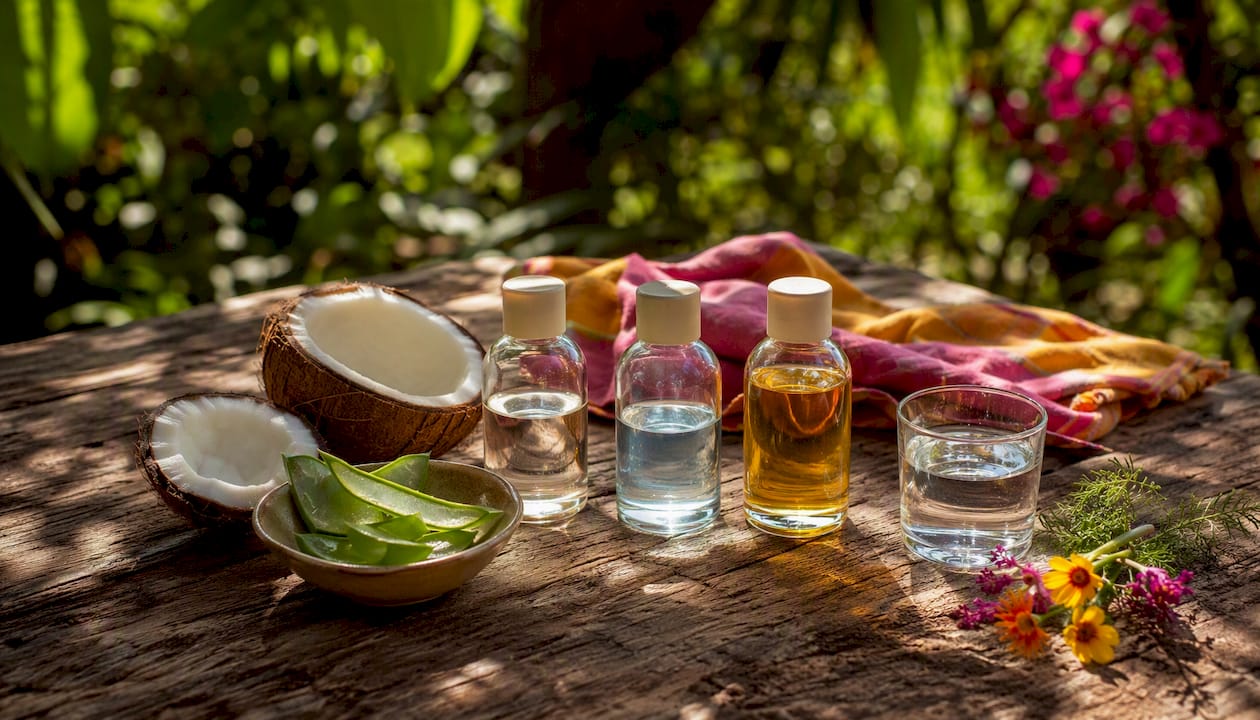
Oil-based options, including coconut oil, are long-lasting and feel very smooth. The catch is that they break down latex condoms, making them unsafe for condom-protected sex. They can also be harder to clean up and may increase the risk of bacterial imbalance for some people. Coconut oil is frequently cited as a gentle natural option, but it’s worth knowing those limitations before you use it.
Hyaluronic acid and aloe formulas
These sit within the water-based category but are worth calling out separately. Hyaluronic acid draws moisture into tissue and holds it there, which is particularly useful when vaginal tissue is already thinned and dry. Aloe vera soothes on contact. Vitamin E supports tissue comfort. pH-balanced formulations that include these actives are especially well-suited to menopausal tissue because they work with the vaginal microbiome rather than disrupting it.
Lubricant comparison at a glance
| Type | Longevity | Condom-safe | Toy-safe (silicone) | Irritation risk | Cleanup |
|---|---|---|---|---|---|
| Water-based | Short to medium | Yes | Yes | Low (glycerin-free) | Easy |
| Silicone-based | Long | Yes | No | Low | Moderate |
| Oil-based | Long | No (latex) | Yes | Moderate | Harder |
| Hyaluronic/aloe | Medium | Yes | Yes | Very low | Easy |
Pro Tip: Before using a silicone lube with any toy, check the toy’s material. If it’s silicone, stick to a water-based formula. A quick way to test an unfamiliar toy: apply a small drop of silicone lube to an inconspicuous spot and wait a few minutes. If the surface feels tacky or looks different, the toy is silicone and the two aren’t compatible. Check the Oola guide to water-based vs silicone lubes for a full breakdown.
How do you choose the right lube for menopause?
Shopping for a vaginal dryness lubricant gets easier once you know what to look for and what to skip. Here’s a practical checklist.
What to look for:
- pH-balanced formula. Menopause shifts vaginal pH, and a lube that matches or supports the natural range (roughly 3.8–4.5) reduces irritation risk.
- Hydrating actives. Hyaluronic acid, aloe vera, and vitamin E are the three most clinician-endorsed ingredients for menopausal tissue comfort.
- Glycerin-free if you’re prone to yeast infections.
- Paraben-free and fragrance-free. Experts caution against products with strong fragrances and parabens because they can irritate sensitive tissue and disrupt the vaginal microbiome.
- Condom compatibility. Water-based and silicone-based are both latex-safe. Oil-based are not.
- Toy compatibility. Water-based works with everything. Silicone-based does not work with silicone toys.
- Third-party testing or clinical verification where available.
Red flags to avoid:
- Alcohol listed in the ingredients (drying and irritating to sensitive tissue).
- Strong fragrances or “flavored” formulas not designed for internal use.
- Vague ingredient lists with no specifics.
- Claims like “heals tissue” or “reverses atrophy” on a non-prescription product.
- High osmolality formulas (draws moisture out of tissue rather than adding it).
Questions to ask before you buy:
- Is it pH-balanced?
- Is it glycerin-free?
- Is it compatible with latex condoms and my toys?
- Does it contain hyaluronic acid, aloe, or vitamin E?
- Has it been lab-tested or clinically verified?
Trying a travel or sample size first is genuinely the smartest move. The right lubricant is individual, and a small bottle lets you test for fit without committing to a full-size product.
Oola’s picks for menopause-friendly lubricants
At Oola, every lubricant in the range is personally curated and lab-tested for body safety. The focus is on ingredient transparency and formulas that work for sensitive, mature tissue, not just general adult use. Here’s how to think about the options:
- Water-based with hydrating actives: The go-to for most people. Compatible with condoms and all toy types, including silicone vibrators and dildos. Look for formulas with hyaluronic acid or aloe as a primary active. Best for everyday use and shorter sessions.
- Silicone-based formula: Suited to more significant dryness or anyone who finds water-based options dry out too quickly. Pairs well with non-silicone toys and latex condoms. Not for use with silicone toys.
- Hybrid or aloe-forward formulas: A middle ground for people who want longer-lasting hydration without the cleanup of a full silicone product.
For first-time buyers, Oola’s travel and sample-size lubricants are the practical starting point. They let you test a formula on your own terms before buying a larger size, which is exactly what the patch-test approach calls for.
Buying practicalities for U.S. shoppers: Oola ships to the United States, and all products are clearly labeled with full ingredient lists. If you’re buying for the first time, a smaller size reduces waste and makes comparison easier.
Pro Tip: Keep a simple log when testing new products: note the formula type, how long it lasted, and whether you noticed any irritation. After two or three tries, patterns become obvious and you’ll know exactly what works for your body.
When lubricants aren’t enough: what to do next
If you’ve been using a good lubricant consistently and dryness, pain, or irritation is still affecting your daily life or sex life, that’s a signal to talk to a clinician. Lubricants provide in-the-moment relief. Vaginal moisturizers go a step further by supporting tissue health when used regularly, several times a week, not just during sex. Pairing both approaches gives the best results for most people with GSM.
What to bring to your appointment:
- How long you’ve had symptoms and whether they’re getting worse.
- Whether you experience pain with penetration, bleeding, or urinary symptoms.
- Any current medications or hormone therapies.
- Your personal or family history with hormone-sensitive cancers (relevant for estrogen-based options).
Prescription options your clinician may discuss:
- Low-dose vaginal estrogen (cream, tablet, or ring): Restores tissue health locally with minimal systemic absorption. Widely considered safe for most people, though those with a history of hormone-sensitive breast cancer should discuss the specifics with their oncologist.
- DHEA suppositories (prasterone): A non-estrogen option that converts locally to support vaginal tissue.
- Ospemifene: An oral SERM (selective estrogen receptor modulator) for moderate to severe GSM symptoms.
Persistent dryness that doesn’t respond to over-the-counter lubricants often responds well to local vaginal estrogen or DHEA under clinician supervision. You don’t have to just manage it.
This article is general information, not medical advice. Consult a qualified clinician for persistent symptoms, pain, or bleeding.
How to use lubricants safely: application, storage, and compatibility
Application and patch-testing
Apply a small amount to the inner forearm or outer vulvar skin and wait 24 hours before using internally. This is especially worth doing if you have a history of sensitivities or allergies. For internal use, apply to the vaginal opening and inner walls, or directly to a toy or partner. Reapply as needed during activity.
Storage and hygiene
Keep the cap closed between uses. Store away from direct sunlight and heat. Discard any product that has changed color, smell, or texture, or that has been open for longer than the manufacturer recommends. Never double-dip fingers into a bottle without washing hands first.
Compatibility quick reference
| Lube type | Latex condoms | Polyurethane condoms | Silicone toys | Non-silicone toys |
|---|---|---|---|---|
| Water-based | Safe | Safe | Safe | Safe |
| Silicone-based | Safe | Safe | Not safe | Safe |
| Oil-based | Not safe | Safe | Safe | Safe |
If you experience irritation
Stop using the product immediately. Rinse the area with warm water (no soap internally). If burning, itching, or swelling persists beyond a few hours, contact a clinician. Keep a note of the product name and ingredients so you can identify the likely irritant.
Key Takeaways
A glycerin-free, pH-balanced lubricant with hyaluronic acid or aloe is the safest and most effective starting point for menopause-related vaginal dryness, with silicone-based formulas offering longer-lasting relief for more significant symptoms.
| Point | Details |
|---|---|
| Start with water-based | Glycerin-free, pH-balanced water-based gels with hyaluronic acid suit most people and work with all toys and condoms. |
| Choose silicone for severe dryness | Silicone-based lubes last longer but are not compatible with silicone toys. |
| Avoid these ingredients | Glycerin (if yeast-prone), parabens, fragrances, and alcohol increase irritation risk. |
| Pair lube with a moisturizer | Lubricants give in-the-moment relief; vaginal moisturizers used regularly support tissue health over time. |
| Oola’s curated range | Oola’s lab-tested, body-safe lubricants include travel sizes for patch-testing before committing to a full bottle. |
The thing most people get wrong about lube for menopause
Most people treat lubricant as a last resort, something you reach for when sex has already become uncomfortable. That framing sets you up for a worse experience than you need to have. The better approach is to treat a good lubricant as a standard part of intimacy during perimenopause and menopause, the same way you’d use a moisturizer on your face without waiting for your skin to crack.
There’s also a tendency to assume that any lube will do. It won’t. Formulas with glycerin, fragrance, or high osmolality can actively irritate tissue that’s already compromised by lower estrogen. The ingredient list matters more for menopausal tissue than for younger skin, and that’s not a detail most packaging makes obvious.
What I’d push back on most is the idea that lubricants are a substitute for medical care. They’re not, and they shouldn’t be sold as one. If you’ve been using a quality lubricant for several weeks and dryness or pain is still affecting your life, that’s GSM talking, and it responds well to local treatments like vaginal estrogen. Using lube and seeing a clinician aren’t mutually exclusive. They’re often the right combination.
Oola’s lubricant range: body-safe, lab-tested, and ready to ship
Vaginal dryness during menopause is common, and finding the right formula shouldn’t take a dozen tries. Oola’s lubricant range is built around exactly the criteria this article covers: glycerin-free options, hydrating actives, body-safe materials, and full ingredient transparency. Every product is personally curated and lab-tested before it makes the cut.
-9% Hot
Original price was: $56.95.$51.95Current price is: $51.95.
-10%
Original price was: $62.95.$56.95Current price is: $56.95.
For first-time buyers, the travel-size lubricant options are the smart starting point. They’re priced for testing, not commitment, and they let you patch-test and try during activity before investing in a full-size bottle. All Oola products ship across Australia with clear returns support for first-time orders.
Ready to find your formula? Browse Oola’s full lubricant range and pick a size that works for where you are right now.
Authoritative sources and further reading
These are the sources we trust most for clinical guidance on vaginal dryness, lubricant safety, and GSM treatment:
- Mayo Clinic: Vaginal dryness after menopause — Primary clinical guidance on GSM causes, lubricant use, and when to seek medical care.
- The North American Menopause Society (NAMS) — The leading clinical society for menopause care in the U.S.; publishes evidence-based treatment guidelines.
- PMC: Lubricant and moisturizer composition — Peer-reviewed research on how lubricant ingredients affect vaginal tissue health.
- Healthline: Best vaginal lubricants for menopause-related dryness — Evidence-reviewed consumer guide covering lubricant types and moisturizer comparisons.
- SELF: Best lubes for menopause — Clinician-informed review covering hydrating actives, ingredients to avoid, and real-world testing notes.
For persistent or severe symptoms, pain with penetration, or any bleeding, please consult a qualified clinician rather than relying on over-the-counter products alone.
Related posts
Vibration deep dive: why more speeds doesn’t mean a better toy

The spec sheet lies — "10 speeds, 20 patterns" tells you almost nothing about how a toy actually feels. Here's what to check instead.
Arousal non-concordance: why “turned on” and “physically ready” aren’t the same
Feeling desire and your body's physical arousal response don't always line up — and that mismatch is far more common than most people realise.
Sex after baby: what changes and how to ease back in
Physical recovery, exhaustion, body changes and desire that doesn't match what it used to — a realistic guide to easing back in.
How to talk about STIs and testing without killing the mood
A conversation most people dread, made simpler — practical scripts for bringing up testing and status with a new or existing partner.
Your cycle and arousal: how hormones change things month to month
Arousal isn't constant — here's how hormonal shifts across the menstrual cycle genuinely change desire, sensitivity and lubrication.
Choosing toys for different bodies and mobility considerations
Grip strength, reach, chronic pain, mobility limits — practical toy features that make a real difference for different bodies.
Understanding the refractory period — and how toys can help
Why men need a recovery window after orgasm, what actually shortens it, and how to keep intimacy going in the meantime.
How to actually use a penis pump safely
Pumps are simple in theory but easy to misuse. Here's the technique that actually works, and the mistakes that cause bruising.
A deeper guide to anal training: progressing safely over time
Past the beginner basics — how gradual anal training actually works, what "readiness" means, and common mistakes that cause setbacks.
Sensory deprivation play: blindfolds, earplugs and amplified senses
Remove one sense and the others sharpen dramatically — here's the science behind it and how to try it safely.
Kink vs fetish: what’s the actual difference
The two words get used interchangeably, but they don't mean quite the same thing — here's the distinction that actually matters.
Aftercare: not just for kink — why everyone benefits
Aftercare gets talked about mostly in BDSM circles, but the underlying idea helps almost any kind of sex feel better.